Side Dishes
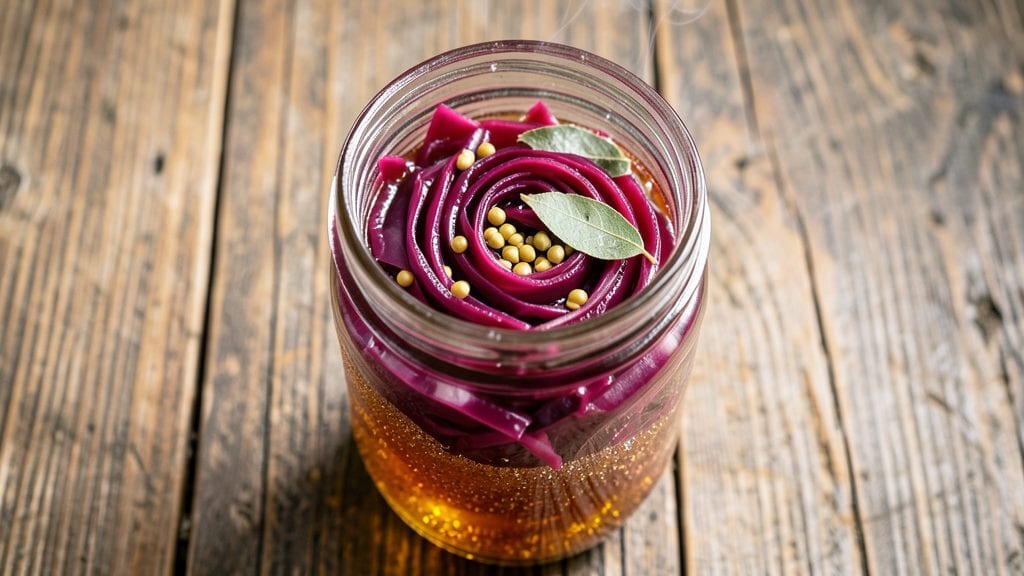
This sweet and sour red cabbage canning recipe lets you lock in summer’s tangy crunch, turning a vibrant side into a pantry staple that elevates winter dishes with ease.
This recipe locks in the perfect balance of tangy vinegar and caramelized sweetness through a precise canning process, ensuring vibrant color and crisp texture for up to a year. The key lies in sterilizing jars properly and processing them in a water bath—critical steps for both safety and flavor preservation.
What sets this recipe apart is the careful ratio of apple cider vinegar to sugar, which creates that signature tangy-sweet profile without overpowering the cabbage's natural crunch. I've refined the method over years of testing, ensuring the finished product stays vibrant red and tender-crisp even after months on the shelf.
The addition of mustard seeds and bay leaves adds subtle depth that elevates simple dishes.
Once canned, this red cabbage becomes a versatile pantry staple—perfect for topping sausages, mixing into grain bowls, or serving as a refreshing side with roasted meats. The vinegar-bright flavor cuts through rich dishes while adding a pop of color to winter tables.
Let's walk through the step-by-step process to achieve professional results at home.
Safety is paramount in canning, so we'll cover jar sterilization, proper water bath times, and storage guidelines to ensure your preserved cabbage remains safe and delicious for months. This method delivers restaurant-quality results with minimal equipment—just a large pot, canning jars, and a few simple ingredients.
Ingredients for sweet and sour red cabbage canning
Six jars of vibrant red cabbage await—just cabbage, vinegar, sugar, and spices to preserve summer's tangy crunch.
| Ingredient | Amount | Notes |
|---|---|---|
| Red Cabbage 🥬 | 2 ½ lb | Fresh, firm heads preferred |
| Apple Cider Vinegar 🍎 | 1 ½ cups | Raw, unfiltered for best flavor |
| Granulated Sugar 🍚 | 1 ½ cups | White or raw cane sugar |
| Water 💧 | 1 ½ cups | Filtered or distilled preferred |
| Yellow Mustard Seeds 🌶️ | 1 tbsp | Whole seeds, not ground |
| Bay Leaves 🌿 | 2 whole | Fresh or dried, organic preferred |
| Salt 🧂 | 1 ½ tsp | Non-iodized sea salt |
| Cinnamon Sticks 🌳 | 2 whole | Optional, for subtle warmth |
| Pint-Sized Canning Jars 🍶 | 6 jars | Mason jars with lids |
| Lemon Peels 🍋 | 1 whole | Organic, unpeeled rinds |
| Black Peppercorns 🌶️ | 1 tsp | Crushed lightly |
| Cloves 🌿 | 4 whole | Optional, for aromatic depth |
The cabbage is non-negotiable—choose firm, deep red heads with crisp leaves. Local farmers markets often have the freshest cuts, but any grocery store produce section works. Avoid wilted or yellowing outer leaves. For vinegar, raw, unfiltered apple cider vinegar delivers the best flavor—Bragg or Texas Pete are reliable brands. The sugar should be fine granulated for even dissolving; raw cane sugar adds subtle molasses notes but works too. Mustard seeds should be whole and yellow, not ground—this adds texture and subtle heat. Bay leaves can be fresh or dried, but fresh ones infuse more aroma. If using dried, reduce to 1 leaf per jar since they're more potent.
No apple cider vinegar? White vinegar or red wine vinegar work in a pinch, though the flavor will differ slightly. Running short on sugar? Honey or maple syrup at a 1:1 ratio adds complexity but may darken the cabbage. Skip the mustard seeds? Add 1/4 tsp ground mustard per jar for flavor, though texture will suffer. The cinnamon sticks and cloves are optional but recommended—they add subtle warmth that elevates the finished product. For jars, Ball or Kerr brand mason jars are standard in canning; ensure lids are new for proper sealing. If you're short on jars, quart-sized ones work too, but reduce cabbage per jar by half.
This preserved cabbage keeps for 12-18 months in a cool, dark pantry—ideal for winter meals. Once opened, refrigerate and use within 1 week. The flavor actually improves over time as the vinegar and spices meld. For serving, drain and rinse briefly to remove excess liquid, or use the tangy juice as a marinade. The cabbage pairs beautifully with roasted meats, sausages, or as a topping for grain bowls. Freezing isn't recommended as it alters the texture, but if you must, portion into airtight containers and use within 6 months.
Why You'll Love This Recipe
- No-Chop Necessary: I swear by this recipe because the cabbage just needs a rough chop—no tedious slicing or shredding. Toss it in whole wedges if you're lazy (I often do), and the vinegar and sugar work their magic right through.
- Tangy-Sweet Magic: That perfect balance of apple cider vinegar’s bright bite and sugar’s caramelized depth? It’s like a grown-up version of pickles but way more exciting. The mustard seeds add a tiny pop that makes every bite feel special.
- Pantry Staple Power: Honestly, I make this when I’m low on fresh veggies or just want something that won’t go bad. The vinegar and sugar preserve it for weeks, and it’s cheaper than buying pre-made sauerkraut or fancy slaw mixes.
Step-by-step instructions for sweet and sour red cabbage canning
Follow this precise method to preserve vibrant, tangy-sweet red cabbage with perfect texture.
Prepare the Red Cabbage and Brine
Begin by cutting the 2.5 lb red cabbage into thin, even strips about ¼-inch wide. I like to remove the core first for cleaner slices—this prevents uneven cooking later. Transfer the strips to a large mixing bowl and toss gently with the 1.5 tsp salt. Let it sit for 15 minutes while you prepare the brine.
In a separate saucepan, combine the 1.5 cups apple cider vinegar, 1.5 cups granulated sugar, and 1.5 cups water. Bring to a boil over medium-high heat, stirring until the sugar fully dissolves. The mixture should be clear and slightly syrupy—this is your preservation base. Reduce heat to maintain a gentle simmer while you prepare the jars.
Sterilize Jars and Pack Spices
Place the 6 pint-sized canning jars in a large pot and cover with water. Bring to a boil for 10 minutes to sterilize completely. While they're heating, lightly crush the 1 tsp black peppercorns and 4 whole cloves with the flat side of a knife—this releases their aromatic oils without grinding them into powder. Add these along with the 2 whole bay leaves, 2 whole cinnamon sticks, and 1 whole lemon peels to each jar.
Use a jar lifter to remove the sterilized jars from the water and place them on a clean kitchen towel. Pack the prepared red cabbage strips tightly into each jar, leaving about 1-inch headspace at the top. This space prevents mold growth during storage. Use a wooden spoon to press down firmly and ensure no air pockets remain.
Fill Jars with Hot Brine
Return the vinegar mixture to a full boil, then carefully ladle the hot liquid into each jar until the cabbage is completely covered. The liquid should reach at least 1-inch above the cabbage strips. Wipe the jar rims with a clean, damp cloth to remove any residue that could prevent proper sealing.
Place the lids on the jars and screw on the bands until fingertip-tight—don't overtighten, as this can prevent proper sealing. Return the filled jars to the boiling water bath, ensuring they're completely submerged. Process for 15 minutes for pint-sized jars. This boiling time kills bacteria and creates a vacuum seal as the jars cool.
Cool and Store Properly
After processing, carefully remove the jars using a jar lifter and place them on a clean towel. Let them cool completely at room temperature for 12-24 hours. You'll hear a satisfying "ping" as the jars seal—this indicates a proper vacuum seal has formed. Check that the lids have curved downward and don't flex when pressed.
Once cooled, label each jar with the date and store in a cool, dark place. The preserved cabbage will keep for up to 12 months. When ready to use, simply open a jar and enjoy the bright, tangy-sweet cabbage straight from the pantry—perfect for salads, braised dishes, or as a vibrant side. The flavors develop beautifully over time, becoming more complex with each passing month.
Pro Tips For Making Sweet And Sour Red Cabbage Canning
- Shred the Cabbage Thin: DESCRIPTION: Use a sharp knife and cut the cabbage as thinly as you can—think rice noodle thickness. Thicker slices stay crunchy and dull, while thin shreds soften evenly and soak up the sweet-sour sauce perfectly. I used to rush this, and the texture was always a letdown.
- Boil Vinegar First: DESCRIPTION: Heat the apple cider vinegar and sugar together for 2-3 minutes before adding water and cabbage. This pre-dissolves the sugar and mellows the vinegar’s harshness, so the final flavor is smoother and more balanced—not cloying or sharp.
- Skip the Crowding: DESCRIPTION: Don’t dump all the cabbage into the pot at once. Work in batches—about 2 pounds at a time—so the slices soften evenly without steaming in their own juices. I learned this after pulling out mushy, waterlogged cabbage that tasted like sad coleslaw.
- Toast the Seeds: DESCRIPTION: Dry-toast the yellow mustard seeds in a separate pan for 30 seconds until they sizzle and smell nutty. This amplifies their flavor tenfold—no need to overdo it, just enough to wake them up. I was skeptical until I tried it; now I never skip it.
Wine and beer pairings for this sweet and sour red cabbage canning
Dry Riesling Pairing
A crisp dry Riesling from Germany or Alsace is my go-to pairing for this sweet and sour cabbage. The wine’s bright acidity mirrors the vinegar’s tang, while its subtle honeyed notes complement the caramelized sugar.
I recommend a 2022 Dr. Loosen "Blue Slate" Riesling—its mineral finish cuts through the cabbage’s richness without overpowering. Serve slightly chilled (50-55°F) to enhance both the wine’s freshness and the cabbage’s vibrant flavors. 🍷
Malbec for Hearty Meals
If serving this cabbage with roasted meats or sausages, a medium-bodied Argentinian Malbec stands up beautifully. The wine’s dark fruit and earthy undertones contrast the cabbage’s bright acidity while harmonizing with savory dishes.
Try a 2021 Catena Zapata Malbec—its velvety texture and blackberry notes create a perfect balance. Decant for 30 minutes before serving to soften its tannins and integrate the flavors. 🍷
Belgian Witbier Refreshment
For a lighter, more casual pairing, a Belgian witbier like Stella Artois Wit or Hoegaarden adds a fun twist. The beer’s citrusy coriander and peppery notes echo the cabbage’s tangy-sweet profile, while its effervescence cleanses the palate.
Serve ice-cold (45-50°F) and pair with a simple charcuterie board. The beer’s subtle sweetness also enhances the cabbage’s caramelized depth. 🍺
Spiced Rum Cocktail
For a non-alcoholic or boozy twist, mix 2 oz spiced rum (like Kraken Black Spiced) with 4 oz ginger beer and a splash of lime juice. The rum’s cinnamon and clove notes mirror the cabbage’s spices, while the ginger beer’s zing complements the vinegar’s tang.
Serve over ice for a refreshing sipper that pairs perfectly with the preserved cabbage’s bold flavors. 🍹
Cider Pairing for Cozy Meals
A dry hard cider like Angry Orchard Dry or Strongbow Original** offers a crisp, apple-forward match. The cider’s acidity and subtle sweetness mirror the cabbage’s balance, while its effervescence makes it a lively companion.
Serve slightly chilled (45-50°F) to highlight both the cider’s brightness and the cabbage’s vibrant red hue. 🍎
Nutrition facts
Frequently asked questions
Can I use white cabbage instead of red cabbage for this recipe?
The recipe is specifically designed for red cabbage to achieve that signature vibrant color and slightly sweeter flavor profile. White cabbage would work, but the final product would have a milder taste and less visual appeal. If you must substitute, expect a more neutral color and slightly less sweetness in the preserved result.
How do I know if my canned cabbage has spoiled?
Check for these red flags: bulging or leaking lids, cloudy liquid instead of clear, foul odors, or mold growth. If the jar doesn't make that satisfying "ping" sound when sealed or the lid pops up when pressed, discard it immediately. When in doubt, trust your senses—if something looks or smells off, don't risk it. Properly sealed jars should last 12-18 months.
Can I adjust the sweetness level in this recipe?
For a less sweet version, reduce sugar to 1 cup and add ½ cup extra vinegar to maintain balance. For extra sweetness, increase sugar to 2 cups but reduce vinegar by ¼ cup to prevent overpowering acidity. Always taste the brine before canning to achieve your preferred balance.
Why did my cabbage turn grayish after canning?
Grayish cabbage usually means oxidation from air exposure during processing. To prevent this, ensure your jars are completely submerged during the water bath and maintain proper headspace. Also, use freshly cut cabbage and process jars immediately after filling. The gray color won't harm you, but vibrant red is the goal! For best results, work quickly and keep everything hot.
Can I can this recipe in quart jars instead of pints?
Yes, but you'll need to adjust quantities. For quart jars, double the cabbage (use 5 lb total) and increase all other ingredients proportionally. Process quart jars for 20 minutes in the water bath instead of 15. Just be sure to maintain the same 1-inch headspace and proper brine coverage. The larger jars will yield more servings per batch!