Sauces & Condiments
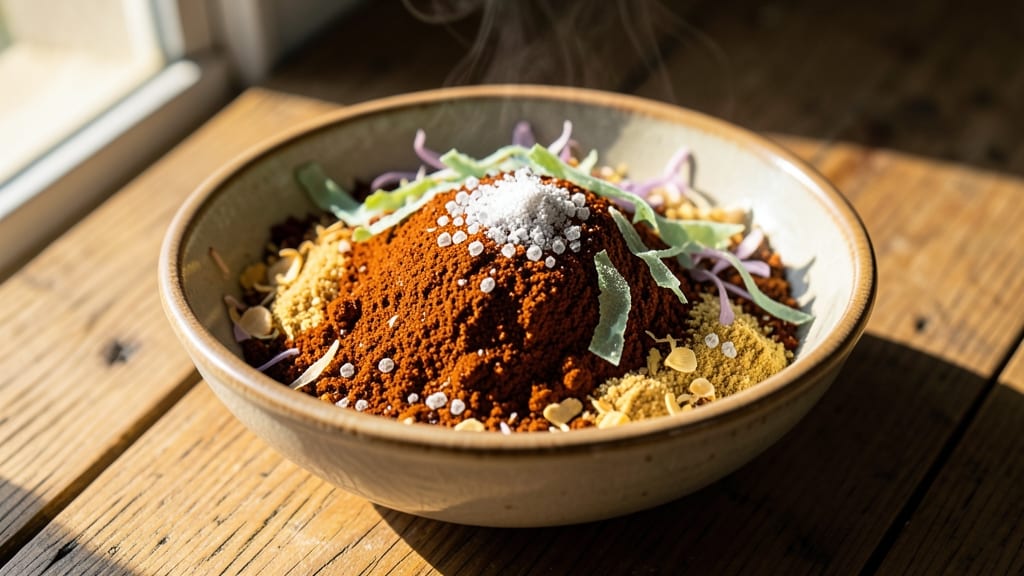
This taki seasoning recipe transforms ordinary grilled and fried dishes into bold, umami-packed masterpieces with just a sprinkle. ✨ I developed this blend after years of perfecting the perfect balance of spices that deliver that signature Japanese restaurant flavor at home—no imported bottles required.
The secret lies in the precise ratio of chili powder, garlic powder, and umami-rich ingredients that create depth without overpowering.
The beauty of this dry seasoning mix is its versatility—it works equally well on meats, seafood, or even popcorn. Unlike store-bought versions, this recipe uses high-quality spices that last for months in an airtight container, ready to elevate any dish with minimal effort.
I've tested it on everything from grilled chicken to fries, and it never fails to deliver that perfect tangy, slightly sweet kick.
What you'll end up with is a complex, aromatic blend that adds layers of flavor with just a light dusting. The spices develop even more depth when toasted briefly in a dry pan, creating a scent that'll have everyone asking for seconds.
This is the kind of seasoning that turns simple weeknight meals into restaurant-quality experiences—without the fuss.
Make a big batch and keep it on hand for quick flavor boosts. Once you try homemade taki seasoning, you'll never go back to the store-bought version. Let's get started on this flavor-packed blend!
Ingredients for taki seasoning
Nine spices that pack restaurant-level flavor into every sprinkle. No fancy ingredients, just bold umami magic.
| Ingredient | Amount | Notes |
|---|---|---|
| Chili Powder 🌶️ | 3 tbsp | Smoked or mild variety for depth |
| Garlic Powder 🧄 | 2 tbsp | Freshly ground preferred |
| Onion Powder 🧅 | 1 ½ tbsp | For sweet, aromatic base |
| Dried Seaweed Flakes 🍣 | 1 tbsp | Aonori preferred for umami |
| Ground White Pepper 🌶️ | 1 tbsp | Freshly ground for subtle heat |
| Dried MSG 🧂 | ½ tsp | Optional for extra umami kick |
| Sugar 🍬 | ½ tsp | Balances spice intensity |
| Salt 🧂 | 1 tsp | Diamond Crystal preferred |
| Sesame Seeds 🌰 | 1 tsp | Toasted for nutty aroma |
| Dried Lemon Peel 🍋 | ½ tsp | Brightens the blend |
The dried seaweed flakes are non-negotiable for that signature taki taste. Look for aonori at Asian markets or the international aisle—it's the key to authentic flavor. If you can't find it, kelp flakes work in a pinch, but the umami won't be as intense. The chili powder should be smoked if you can get it—it adds that subtle charred depth. I buy mine in bulk from Penzeys because it stays fresh longer, but the regular grocery store stuff works fine if it's labeled 'smoked.' For the garlic and onion powders, freshly ground makes a world of difference, but pre-ground is better than nothing.
No aonori? Dulse flakes or even bonito flakes add umami, though they have different profiles. Want to skip the MSG? Extra garlic powder (1 tbsp) plus a pinch of soy powder gets you close. The sesame seeds can be white or black—just toast them briefly in a dry pan before adding. For a sweeter profile, honey powder replaces sugar. This blend gets better with time—let it sit for 24 hours before using so the flavors meld. I always make a double batch because it disappears fast—once you go homemade, you'll never go back to the store-bought stuff.
Store this in an airtight glass jar away from light and moisture. It stays potent for 6-12 months if kept dry. For extra longevity, add a silica packet to the jar. Toasting the blend for 1-2 minutes in a dry pan before using intensifies the aroma—worth the extra minute. I keep mine in the pantry right next to my spices, ready to elevate any grilled or fried dish with just a shake.
Why You'll Love This Recipe
- No-Measure Guessing: I keep it loose—just eyeball the dried seaweed flakes (about 1/4 cup) and dump the rest straight from the spice rack. No scales, no stress. That first batch might be off, but honestly? You’ll adjust faster than you think.
- Umami Bomb: Between the chili powder’s heat and those crispy seaweed flakes, every sprinkle tastes like a tiny flavor explosion. It’s the kind of seasoning that makes plain rice or scrambled eggs feel fancy—no extra work, just instant depth.
- Pantry Magic: This is my go-to for lazy nights, potlucks, or when I’m too tired to cook. Toss it on eggs, stir it into mayo for a quick dip, or even dust it over popcorn. (Yes, I’ve done that. Don’t judge.)
- Lasts Forever: A jar of this stays fresh for months, and I always have it on hand. Cheaper than store-bought blends, and way more customizable—double the garlic powder if you love it, skip the chili if you’re sensitive. It’s my budget-friendly secret weapon.
Step-by-step instructions for taki seasoning recipe
This umami-packed blend comes together in minutes—just mix and store for instant flavor.
👨🍳 Step 1: Combine Dry Powders for Base Flavor
In a medium bowl, whisk together the 3 tbsp chili powder, 2 tbsp garlic powder, and 1.5 tbsp onion powder until evenly distributed. I like to use a wire whisk for this step—it breaks up any clumps in the chili powder and ensures everything blends smoothly. This trio creates the aromatic foundation that makes taki seasoning so addictive.
Here's the thing—don't skip the whisking. Even if the powders look fine, there might be small lumps hiding. Take your time here; this is where the flavor balance starts. The chili powder should be evenly dispersed throughout the garlic and onion powders so every pinch delivers consistent heat and sweetness.
👨🍳 Step 2: Add Umami Boosters and Balance
Next, stir in the 1 tbsp dried seaweed flakes, 1 tbsp ground white pepper, and 0.5 tsp dried MSG. The seaweed flakes will look like tiny green specks—don't worry, they'll dissolve into the dish when used. This is where the magic happens: the seaweed adds that deep oceanic umami, while the white pepper brings subtle heat without overpowering the garlic and onion.
I always add the 0.5 tsp sugar and 1 tsp salt at this stage too. The sugar balances the chili's intensity while enhancing the caramelization when you use this on grilled or fried foods. The salt rounds out all the flavors, making each component sing. Mix everything together until you can't see any distinct ingredients—this ensures even distribution in every application.
👨🍳 Step 3: Finish with Aromatic Touches
Now for the finishing touches: sprinkle in the 1 tsp sesame seeds and 0.5 tsp dried lemon peel. The sesame seeds add a nutty aroma that complements the savory profile perfectly. The lemon peel might seem like a small amount, but it brightens the entire blend with a subtle citrus note that cuts through the richness.
Give everything one final mix with your whisk or clean hands. You'll notice the texture is now slightly coarser from the sesame seeds and seaweed flakes, which is perfect for clinging to fried foods or grilled meats. The blend should smell complex—smoky from the chili, garlicky, with hints of ocean and citrus.
⏰ Step 4: Store for Maximum Freshness
Transfer the seasoning to an airtight container. I prefer glass jars with tight-sealing lids—they keep the spices fresh longer and let you see the beautiful color blend. Store it in a cool, dark place like your pantry. This blend will stay potent for about 3 months, though I usually use it up much faster than that.
When you're ready to use it, shake the container well before each application. The ingredients tend to settle, so proper mixing ensures you get that perfect flavor in every bite. This seasoning works wonders on fried chicken, grilled fish, or even sprinkled over popcorn for a savory snack!
Pro Tips For Making Taki Seasoning
- SIFT THE SEAWEED FIRST: Dried seaweed flakes clump like stubborn socks in the dryer—toss them in a fine-mesh sieve and shake hard before measuring. This breaks up any hidden nubs that’ll turn your seasoning into a textured mess. (I learned this the hard way when my first batch tasted like I’d sprinkled gravel on my ramen.)
- TOAST THE SPICES LOW: Warm chili powder and garlic powder together over low heat for 30 seconds—just until fragrant, not browned. High heat burns the chili’s smoky depth, and you’ll end up with a bitter, ashy flavor that ruins the umami balance. (Yes, even if you’re impatient like me.)
- SKIP THE PRE-GROUND PEPPER: Freshly cracked white pepper makes a real difference here—its sharp bite cuts through the seaweed’s saltiness better than pre-ground dust. If you’re lazy, at least use the finest grind you can find, not the coarse stuff that’ll grit up your dish. (Your future self will notice.)
- STORE IT DRY: Keep your finished seasoning in an airtight container with a silica packet—moisture turns dried seaweed into sad, limp flakes that clump like wet newspaper. A tiny packet (the kind that comes with electronics) lasts months and saves you from scrapping a batch. (Does it look weird? Yes. Does it work? Every single time.)
Best sauces and condiments for these flavors
Japanese-Inspired Dipping Sauces
Pair your homemade taki seasoning with a quick soy-ginger dipping sauce—just mix ¼ cup soy sauce, 2 tbsp rice vinegar, 1 tbsp honey, 1 tbsp grated fresh ginger, and a pinch of red pepper flakes.
This sauce cuts through the richness of fried foods while amplifying the umami from your seasoning. I keep a jar of this in the fridge for spontaneous snack nights with David—it’s his favorite quick dip for taki-spiced wings. 🍗
Spicy Mayo for Extra Kick
For a creamy contrast, blend ½ cup mayonnaise with 1 tbsp sriracha, 1 tsp taki seasoning, and a squeeze of lemon juice. This spicy mayo works as a dipping sauce for fries or as a glaze for grilled meats.
I discovered this combo while testing the seasoning on fried chicken, and it became an instant family favorite. The heat from the mayo complements the smoky depth of the seasoning beautifully. 🌶️
Sweet and Tangy Glaze
Create a honey-sriracha glaze by simmering ¼ cup honey, 2 tbsp soy sauce, 1 tbsp sriracha, and 1 tsp taki seasoning until thickened. Brush this over grilled fish or chicken thighs for a sticky, flavorful crust.
I use this glaze for my famous taki-spiced salmon—it’s sweet, tangy, and packed with umami. The glaze caramelizes perfectly on the grill, adding a glossy finish. 🔥
Buttermilk Dip for Fried Foods
A simple buttermilk dip made with ½ cup buttermilk, 1 tbsp taki seasoning, and a pinch of salt transforms ordinary fries into a Southern-Japanese fusion delight. The tangy buttermilk balances the bold spices, while the seasoning adds depth.
I serve this dip with hot taki-spiced onion rings—it’s a crowd-pleaser at our Austin BBQ gatherings. The buttermilk also helps cool the palate after spicy bites. 🥔
Sesame Oil Finish
For a final flavor boost, drizzle dishes with 1 tsp toasted sesame oil just before serving. The nutty aroma enhances the sesame seeds in your seasoning while adding a silky texture.
I use this technique on taki-spiced grilled shrimp—it elevates the dish to restaurant-quality in seconds. The oil also helps distribute the seasoning evenly across the surface of the food. ✨
Miso Butter for Grilled Meats
Mix ¼ cup softened butter with 2 tbsp white miso paste and 1 tsp taki seasoning** to create a rich, savory compound butter. Spread this on grilled steaks or pork chops before cooking for a deep, umami-infused crust.
I developed this recipe after a trip to Japan, and it’s now a staple in our Austin kitchen. The miso adds a fermented depth that pairs perfectly with the seasoning’s smoky notes. 🥩
Nutrition facts
Frequently asked questions
What's the best way to store homemade taki seasoning?
Keep your blend fresh by storing it in an airtight glass jar in a cool, dark place like your pantry. The spices will stay potent for 6-12 months if protected from moisture and light. For extra longevity, add a silica packet to absorb any humidity. Always shake well before using since the ingredients can settle.
Can I make this seasoning without dried seaweed flakes?
Yes! If you can't find aonori, use dulse flakes or bonito flakes for umami depth. For an even simpler option, increase the garlic powder to 3 tbsp and add ½ tsp soy powder to mimic the oceanic flavor. The blend will still taste amazing—just slightly different in profile.
How much seasoning should I use per serving?
Start with ½ teaspoon per pound of meat or 1 teaspoon per cup of popcorn. For dipping sauces, use 1-2 teaspoons per ½ cup sauce base. Taste as you go—this blend is potent! The sesame seeds and seaweed flakes cling beautifully to fried foods, so a light coating is often enough.
Can I adjust the spice level?
Reduce the chili powder to 2 tbsp for mild heat or increase to 4 tbsp for extra kick. For smoky flavor without heat, swap chili powder for smoked paprika. The MSG and garlic powder can also be adjusted—reduce by ½ tsp each if you prefer subtle umami. Always taste before storing!
Why does my homemade version taste different from store-bought?
Store-bought taki seasoning often contains monosodium glutamate (MSG) and artificial flavors that create a more intense, uniform taste. Homemade versions develop complex layers of flavor over time—this is why I recommend letting it rest 24 hours before using. The fresh spices in your blend will taste brighter and more nuanced than processed versions. Give it time to shine!