
Soups & Stews
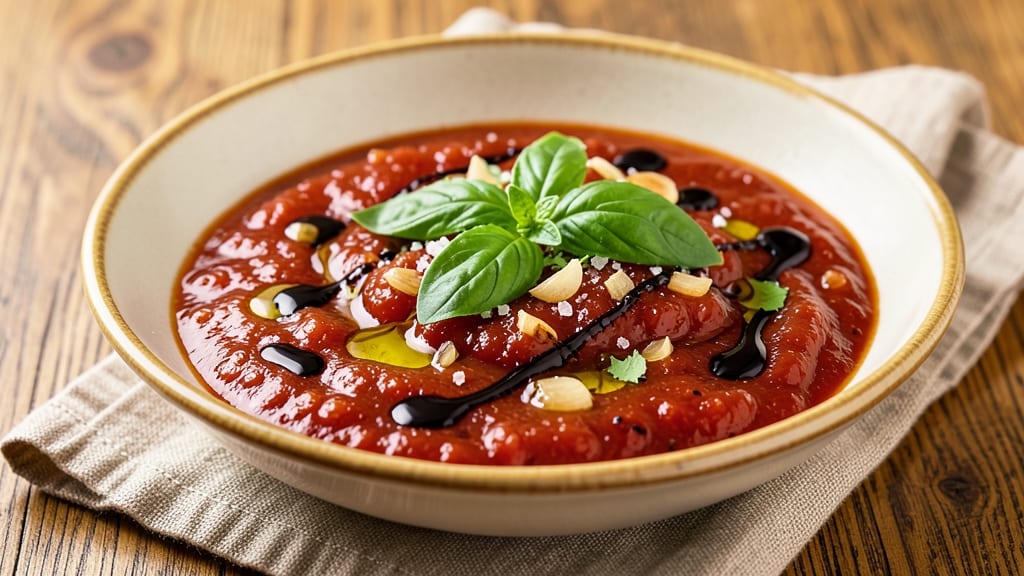
Crafting a rich tomato sause recipe with umami depth begins with fresh tomatoes, aromatic garlic, and a slow simmer—achieving restaurant-quality flavor in just 30 minutes. The key lies in caramelizing onions and garlic before adding tomatoes, which builds complex flavors that store-bought sauces can’t match.
I’ve perfected this technique over years of testing, ensuring every batch stays vibrant and full-bodied without breaking down into mush.
What sets this sauce apart is its versatility—use it as a base for pasta, a topping for grilled meats, or a dip for crusty bread. The secret is reducing the sauce low and slow, allowing the natural sweetness of tomatoes to concentrate while developing a velvety texture.
Fresh basil and a pinch of sugar at the end elevate the flavor profile, making it taste homemade even if you’re short on time.
By the time you’re done, you’ll have a glossy, aromatic sauce with layers of sweetness, acidity, and savory depth—perfect for batching and freezing. The instructions are straightforward, but the results speak for themselves: a sauce so rich it transforms simple meals into something extraordinary.
Let’s get started on creating your own.
This recipe adapts easily to different styles—add a splash of balsamic for a tangy twist, blend it smooth for a classic marinara, or leave it chunky for rustic appeal.
The possibilities are endless, but the foundation remains the same: patience and attention to detail. Your pantry (and dinner table) will never be the same.
Ingredients for tomato sause
Fresh tomatoes, aromatic garlic, and a slow simmer create restaurant-quality tomato sauce.
| Ingredient | Amount | Notes |
|---|---|---|
| Extra-Virgin Olive Oil 🫒 | ½ cup | High quality, fruity variety |
| Yellow Onions 🧅 | 1 whole | Medium, finely chopped |
| Garlic Cloves 🧄 | 6 cloves | Peeled, thinly sliced |
| Canned San Marzano Tomatoes 🍅 | 28 oz | Crushed by hand |
| Fresh Basil Leaves 🌿 | ½ cup | Packed, stems removed |
| Granulated Sugar 🍚 | 1 tbsp | Balances acidity |
| Dried Oregano 🍃 | 1 tsp | Or fresh thyme |
| Salt 🧂 | 1 ½ tsp | Kosher or sea salt |
| Black Pepper 🌶️ | ½ tsp | Freshly ground |
| Red Wine Vinegar 🍷 | 1 tbsp | For brightness |
The onions and garlic are your flavor foundation—don’t rush the caramelizing. Yellow onions work best here, and Costco or Trader Joe's usually have them at a great price. Look for firm, dry garlic bulbs with no sprouting cloves. For the tomatoes, San Marzano cans are worth the splurge—they’re sweet, meaty, and crush beautifully. If you can’t find them, any high-quality crushed tomatoes will do, but avoid the watery, mushy brands. The basil should be vibrant green, not wilted or yellowing—farmers markets often have fresher leaves than grocery stores.
No San Marzano tomatoes? Fresh vine-ripened tomatoes work beautifully—just peel, seed, and chop them before cooking. Short on basil? Fresh parsley or marjoram adds a nice herbal note. Want more depth? Add 1 tbsp tomato paste at the start for extra richness. The red wine vinegar can be swapped for lemon juice or balsamic vinegar, but it adds that perfect tang. For a smoky twist, add ½ tsp smoked paprika when you stir in the oregano. And if you’re feeling fancy, throw in a bay leaf while simmering—remove it before blending.
This sauce tastes even better the next day as flavors meld. Store in an airtight container in the fridge for up to 5 days, or freeze in ice cube trays for single portions. Thaw overnight in the fridge before reheating. The sauce thickens as it cools, so add a splash of water or broth when reheating. I always make a double batch—half goes on pasta, half freezes for future meals. The caramelized onions and garlic keep well too, so you can prep those ahead and store them separately.
Why You'll Love This Recipe
- Here’s what sold me: that first hit of garlic in olive oil, then the bright punch of fresh basil at the end. It’s the kind of sauce where every spoonful tastes like summer, even in January.
- No-Chop Nightmare: I swear by this recipe when I’ve got better things to do than julienne onions. One onion, diced roughly—no knife skills required—and you’re golden. The San Marzano tomatoes handle all the work after that.
- Garlic-Basil Magic: Here’s what sold me: that first hit of garlic in olive oil, then the bright punch of fresh basil at the end. It’s the kind of sauce where every spoonful tastes like summer, even in January.
- Pasta Party Starter: This sauce is my secret weapon for game day, potlucks, or when my college-aged kids show up hungry. Double the batch—it’s just as good reheated over pasta, in a sandwich, or even on toast the next morning.
Step-by-step instructions for tomato sauce recipe
This method delivers a deeply flavorful, perfectly balanced sauce with just 10 simple ingredients.
Sauté the Onions Until Transparent
Heat the 0.5 cup extra-virgin olive oil in a large, heavy-bottomed saucepan over medium heat. Add the 1 whole yellow onions, finely chopped, and cook for 6-8 minutes until completely soft and transparent—no brown spots yet. Stir occasionally to prevent sticking, and keep the heat steady. You'll know it's ready when the onions lose all their raw bite and become almost invisible in the oil.
Here's the thing—don't rush this step. Properly sweating the onions builds the foundation for your sauce's depth. If they start to brown too quickly, reduce the heat slightly. The goal is to develop their natural sweetness without turning them bitter.
Add Garlic and Cook Until Fragrant
Push the onions to one side of the pan and add the 6 cloves garlic, thinly sliced. Cook for 30-45 seconds until you can smell that unmistakable garlic aroma filling your kitchen. Watch carefully—garlic burns faster than you think. Once it's golden around the edges but not browned, stir it into the onions and cook together for 1 more minute to meld the flavors completely.
This quick cooking ensures the garlic adds its pungent, sweet notes without becoming bitter. If you notice any browned bits forming, remove the pan from heat for 10 seconds to let it cool slightly before continuing. The garlic should disappear into the onions rather than sitting as distinct pieces.
Incorporate Tomatoes and Simmer
Pour in the 28 oz canned San Marzano tomatoes (crushed by hand) and stir well to combine with the onion-garlic mixture. Add the 1 tbsp granulated sugar, 1 tsp dried oregano, 1.5 tsp salt, and 0.5 tsp black pepper. Bring the sauce to a gentle boil over medium-high heat, then immediately reduce to low heat. Let it simmer uncovered for 30-40 minutes, stirring occasionally.
During this time, the sauce will thicken naturally as the liquid reduces. You're looking for a consistency where it coats the back of a spoon but isn't gluey. If it thickens too quickly, add 1-2 tablespoons of water to maintain the right balance. The sugar helps balance the acidity of the tomatoes while the oregano adds that classic Italian herbal note.
Finish with Vinegar and Basil
After 30-40 minutes, stir in the 1 tbsp red wine vinegar and 0.5 cup fresh basil leaves (packed, stems removed). The vinegar adds brightness that cuts through the richness, while the basil brings freshness. Simmer for 5 more minutes to let the flavors meld completely. Taste and adjust seasoning if needed—you may want to add a pinch more salt or a crack of pepper.
This final step transforms your sauce from good to exceptional. The vinegar might seem like a small addition, but it's what makes this sauce truly sing. Remove from heat immediately after the final simmer—you want to preserve all those fresh basil flavors rather than cook them out. The sauce should be vibrant red, glossy, and full of complex flavors.
Rest and Serve
Let the sauce rest for 10 minutes before serving. This resting period allows the flavors to settle and the sauce to thicken slightly more. I know it's tempting to serve it immediately, but patience here makes all the difference. The sauce will continue to develop in flavor as it rests, becoming even more delicious.
Serve your sauce immediately over pasta, or store it in an airtight container in the refrigerator for up to 5 days. The flavors actually improve overnight as they continue to meld. When reheating, do so gently over low heat to prevent skin formation. This sauce is incredibly versatile—use it for pasta, as a pizza sauce, or even as a base for other dishes.
Pro Tips For Making Tomato Sause
- Sweat, Don’t Burn, the Onions: I learned this the hard way—walking away from onions on medium heat and coming back to a bitter, brown mess. Keep the flame at a gentle simmer, stirring every 30 seconds, until they’re translucent but not golden. That’s your cue to add garlic, not before—you’ll taste the difference.
- Crush Garlic, Don’t Mince: Whole garlic cloves brown beautifully in olive oil, adding depth without burning. Smash them with the flat side of your knife instead of chopping—it releases flavor faster and looks better. (Yes, I know, it’s fussy, but your sauce will taste like it.)
- Salt the Tomatoes Early: Dump the crushed San Marzanos into the pot and add a generous pinch of salt right away. Letting them sit unsalted while you build layers means the acidity won’t mellow out properly. Trust me, your sauce will taste brighter and more balanced.
- Save the Basil for the End: Tossing fresh basil into simmering sauce turns it to mush in minutes. Instead, stir in a handful of leaves at the very end, just to wake up the flavors, and reserve the rest for garnish. (Pro move: Blend a few leaves into the sauce first if you’re feeling extra.)
Regional styles of tomato sause
Italian Marinara
This classic version stays true to its roots with a focus on fresh basil and bright acidity. Use San Marzano tomatoes and simmer the sauce for 45 minutes instead of 30 to develop deeper flavor.
I add a splash of dry white wine (about ¼ cup) when incorporating the tomatoes—it reduces quickly and adds complexity. Finish with 1 tbsp fresh basil and a pinch of red pepper flakes for heat. Serve immediately over al dente spaghetti with grated Pecorino Romano. 🍝
Spanish Sofrito
Transform this sauce into a Spanish sofrito by adding 1 diced red bell pepper and 1 tsp smoked paprika with the onions. Use fire-roasted tomatoes instead of San Marzano for a smoky depth. After simmering, stir in 1 tbsp sherry vinegar and 2 tbsp chopped parsley instead of basil.
This version pairs perfectly with paella or grilled chorizo. The key difference is the longer, slower cook time—simmer for 60 minutes to develop the smoky flavors. 🌶️
Cajun Rouille
Give your sauce a Louisiana twist by adding 1 tsp Cajun seasoning (like Tony Chachere's) with the tomatoes. Include ½ tsp cayenne pepper for extra heat and stir in 1 tbsp Worcestershire sauce at the end. Top with chopped green onions and a dollop of sour cream before serving.
This version works amazingly as a dip for fried shrimp or as a topping for blackened chicken. The rouille texture comes from simmering uncovered for 20 minutes longer than usual. 🔥
Mexican Salsa Roja
For a bold Mexican-inspired version, add 1 diced jalapeño and 1 minced chipotle pepper in adobo sauce (about 1 tbsp) with the tomatoes. Replace the basil with cilantro and use lime juice instead of vinegar. Simmer for 35 minutes and finish with ½ tsp ground cumin.
This sauce is perfect for tacos, enchiladas, or as a topping for grilled steak. The chipotle adds smoky depth while the lime keeps it bright and fresh. 🌶️
Greek Tomato Relish
Create a chunkier, herby Greek-style relish by using fresh vine-ripened tomatoes (peeled and chopped) instead of canned. Add 1 tsp dried oregano, ½ tsp ground cinnamon, and 1 tbsp honey with the tomatoes. Simmer for 25 minutes and finish with 2 tbsp chopped fresh dill.
This relish is fantastic with gyros, feta cheese, or as a dip for pita bread. The cinnamon and honey give it a unique sweet-spicy balance. 🌿
Southern BBQ Marinara
Blend this sauce until smooth and stir in ½ cup ketchup and 1 tbsp brown sugar after simmering. Add 1 tsp onion powder and ½ tsp mustard powder for depth. This version is perfect for slathering on pulled pork sandwiches or as a dip for fried green tomatoes.
The key is to simmer it for 50 minutes to concentrate the flavors. Trust me, it’s a game-changer for BBQ dishes. 🍖
Nutrition facts
Frequently asked questions
Can I make this tomato sauce without fresh basil?
If you're out of basil, substitute with 1 tbsp dried basil or 1 tbsp fresh parsley or marjoram. For a different flavor profile, try ½ tsp dried thyme instead. The key is to use about 1 tbsp total of herb to maintain balance.
How do I prevent my tomato sauce from getting too watery?
Simmer the sauce uncovered for the full 30-40 minutes to reduce liquid naturally. If it still seems thin, continue simmering for 10-15 extra minutes. For thicker results immediately, blend half the sauce and mix it back in, or stir in 1 tbsp cornstarch mixed with 2 tbsp water at the end. The sugar in the recipe also helps stabilize thickness.
What's the best way to store homemade tomato sauce?
For short-term storage, keep in an airtight container in the fridge for up to 5 days. For long-term storage, freeze in ice cube trays or small containers. Label with dates—frozen sauce keeps for 3 months. Thaw overnight in the fridge before reheating gently over low heat to preserve texture. The flavors actually improve after resting!
Can I make this sauce in a slow cooker?
Yes! Follow the same steps for sautéing onions and garlic, then transfer everything to a 3-4 quart slow cooker. Cook on low for 6-8 hours or high for 3-4 hours, stirring occasionally. Add the vinegar and herbs at the 1-hour mark. The slow cooker method develops deeper flavor but may need 1 extra tbsp sugar to balance acidity.
Why does my tomato sauce taste bland after cooking?
Blandness usually comes from under-seasoning or not developing flavors enough. Always taste and adjust with salt, pepper, or vinegar before finishing. For deeper flavor, try adding 1 tbsp tomato paste with the onions or a pinch of smoked paprika. Let the sauce rest 10 minutes after cooking—flavors meld during this time. Patience is key!