
Main Courses
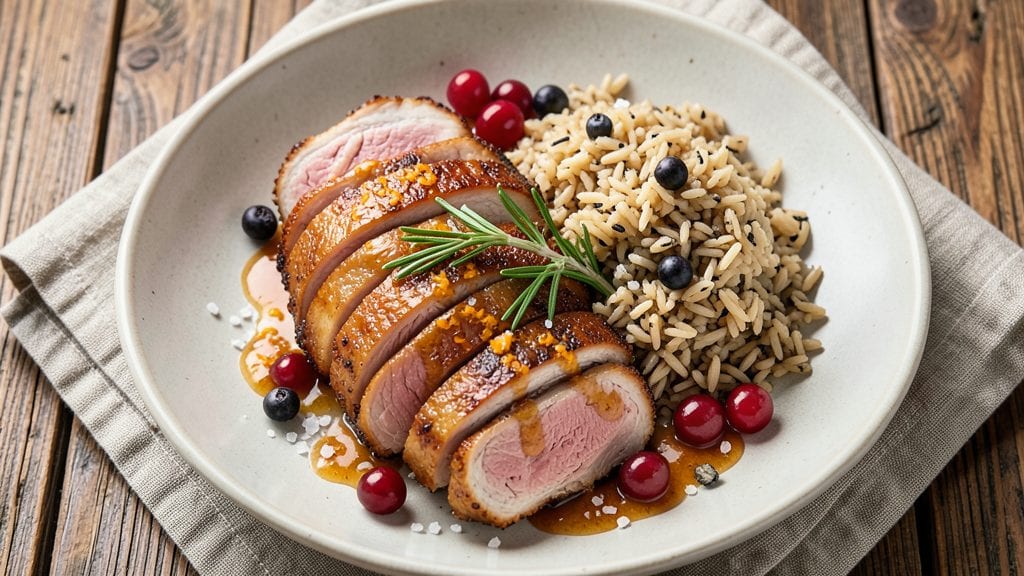
Mastering a wild duck recipe like this roasted version with orange and juniper transforms an intimidating protein into a showstopping centerpiece.
After years of perfecting game bird techniques—including my grandmother’s Sunday roast chicken—I’ve developed a method that delivers crispy skin, tender meat, and layers of aromatic depth without requiring specialized equipment. The key lies in precise timing and flavor balance, two elements that make all the difference when cooking duck.
This recipe begins with a dry brine overnight, which ensures moisture retention and enhances the duck’s natural richness. Juniper berries and orange zest infuse the meat with earthy, citrusy notes that complement the duck’s inherent gaminess, while a final sear in the oven creates that coveted caramelized crust.
What sets this apart is the simplicity: no complicated sauces or lengthy marinades, just bold flavors that shine through even with basic sides like roasted root vegetables or a simple green salad.
By the time you serve this dish, your table will be graced with duck that’s perfectly roasted—crisp on the outside, succulent within—paired with a bright orange-juniper glaze that ties everything together.
The aroma alone will draw everyone to the table, and the first bite delivers on that promise of restaurant-quality results at home. Pair it with a bold red wine or a crisp sparkling water with citrus for the perfect finish.
Whether you’re hosting a dinner party or treating yourself to a special weeknight meal, this recipe delivers professional-level results with straightforward techniques. The method has been tested repeatedly in home kitchens—including mine—and always receives rave reviews. Let’s get cooking.
Ingredients for wild duck
Precision-crafted ingredients transform wild duck into a restaurant-worthy centerpiece with minimal effort.
| Ingredient | Amount | Notes |
|---|---|---|
| Wild Duck Breasts 🦆 | 2 whole | Skin-on, bone-in, 1.5-2 lb each |
| Diamond Crystal Kosher Salt 🧂 | 1 ½ tbsp | For dry brine, coarse texture |
| Freshly Ground Black Pepper 🌶️ | 1 tsp | Coarse grind for seasoning |
| Juniper Berries 🌿 | 1 tbsp | Crushed lightly, organic preferred |
| Orange Zest 🍊 | 1 tbsp | From 1 large organic orange |
| Extra-Virgin Olive Oil 🫒 | 2 tbsp | For basting, high-quality preferred |
| Unsalted Butter 🧈 | ½ cup | Cold, cubed for finishing |
| Fresh Thyme Sprigs 🌿 | 4 whole | For aroma, stems removed |
| Garlic Cloves 🧄 | 4 cloves | Minced for glaze, peeled |
| Orange Juice 🍊 | ½ cup | Freshly squeezed, no pulp |
| Honey 🍯 | 1 tbsp | Wildflower preferred for depth |
| Fresh Rosemary 🌿 | ¼ cup | Chopped, for finishing garnish |
| Fresh Parsley 🌿 | ¼ cup | Chopped, for finishing garnish |
The wild duck breasts are the foundation—source from a reputable game supplier like D'Artagnan or your local butcher specializing in game birds. Look for breasts with a rich, deep color and visible fat cap; this indicates optimal freshness and flavor. The skin should be taut and unblemished, suggesting the duck was properly handled and aged. If you're unable to find wild duck, domestic duck breasts will suffice, though they'll lack the same depth of gaminess. Store the duck uncovered in the refrigerator for 24 hours before cooking to allow the skin to dry out slightly, which is critical for achieving that coveted crispy texture.
Juniper berries should be organic and whole, with a vibrant green hue and a fragrant aroma when crushed between your fingers. If you can't find organic, ensure they're pesticide-free by rinsing thoroughly before use. For the orange zest, use a microplane to avoid any bitter white pith; organic oranges yield the most vibrant, aromatic zest. Substituting the juniper berries? Fresh rosemary at double the amount offers a similar earthy note, though less pronounced. The honey should be raw and unfiltered—avoid commercial brands with added sugars. For storage, keep all dried spices and herbs in airtight containers away from light and heat, while fresh herbs like thyme and rosemary should be wrapped in damp paper towels and stored in the refrigerator for up to 5 days.
The wild duck breasts will keep in the refrigerator for 2 days after purchase, but the dry-brined version should be cooked within 24 hours of brining. Once roasted, the duck can be reheated gently in the oven at 325°F (163°C) for 10-15 minutes, covered with foil to retain moisture. The orange-juniper glaze components can be prepped 1 day ahead and stored in the refrigerator, though the honey should be added just before serving to maintain its freshness. For optimal results, serve the duck immediately after roasting, as the glaze and garnishes are designed to complement the warm, crispy skin.
Why You'll Love This Recipe
- Two-Handed Prep: Honestly, this recipe takes all of 15 minutes of actual work. You salt the duck, tuck in the juniper berries and orange zest, and let it sear—no chopping, no peeling, no fuss. The real magic happens while you’re making dinner, not before it.
- Forest Meets Citrus: That first bite? Rich, gamey duck with a bright pop of orange and the piney warmth of juniper—like a walk through a winter forest after a rainstorm. The salt crust gives it this perfect contrast, crispy outside but juicy inside. (Yes, even my picky uncle asked for seconds.)
- Weeknight to Weekend: Serve it with mashed potatoes for a cozy Tuesday or pair it with a bold red wine for a dinner party. The same technique works whether you’re feeding two or six—just scale the duck, keep the ratios, and you’re golden. (Between us, it’s my go-to for holidays when I don’t want to slave over a turkey.)
Step-by-step instructions for richly roasted wild duck
This method delivers perfectly crisp skin and tender meat with a harmonious balance of citrus and juniper notes.
Prepare the Dry Brine and Season the Duck
In a small bowl, combine the 1.5 tablespoons diamond crystal kosher salt, 1 teaspoon freshly ground black pepper, and the 1 tablespoon crushed juniper berries. This blend creates a complex seasoning profile that penetrates the duck's skin while adding aromatic depth. Gently rub this mixture all over the wild duck breasts, including inside any cavities, ensuring even coverage. The coarse texture of the kosher salt helps create that coveted crispy skin.
Place the seasoned duck breasts on a wire rack set over a rimmed baking sheet. This elevated setup allows air to circulate evenly, preventing soggy skin. Refrigerate uncovered for atstrong>24 hours—this extended dry-brine time is crucial for developing maximum flavor and texture. Real talk: Skipping this step results in less crisp skin and diminished juniper aroma.
Roast Until Skin is Deeply Crisped
Remove the duck from the refrigerator and let it sit at room temperature for 30 minutes before roasting. Preheat your oven to 375°F and position a rack in the middle position. The duck should be breast-side up on the rack. Roast for 45-50 minutes until the skin reaches a deep golden brown, nearly black in spots—this indicates proper crisping.
Here's the thing—don't open the oven door during cooking. Every time you peek, you lose heat and steam, which directly impacts the skin's crispness. The internal temperature should reach 155°F at the thickest part of the breast. You'll know it's ready when the skin releases easily from the meat and the juices run clear when pierced with a meat thermometer.
Create the Orange-Juniper Glaze
While the duck roasts, prepare the glaze by combining the 0.5 cup orange juice, 1 tablespoon honey, and the 1 tablespoon orange zest in a small saucepan. Bring to a simmer over medium heat and reduce by half—this takes about 5-6 minutes. The glaze should coat the back of a spoon and have a syrupy consistency. Strain out any zest if desired, but I prefer to leave it for added texture and flavor.
In a separate small skillet, melt the 0.5 cup unsalted butter over low heat. Add the 4 minced garlic cloves and cook for 30 seconds until fragrant but not browned. Remove from heat and stir in the 4 thyme sprigs, allowing their oils to infuse into the butter. This aromatic butter will later baste the duck, adding another layer of complexity to the dish.
Baste and Finish with Herbs
Once the duck reaches 155°F, remove it from the oven and place it on a cutting board. Immediately brush the skin with the melted aromatic butter, working it into any cracks for maximum flavor penetration. Return the duck to the oven for 5-7 minutes to set the butter and enhance the crispness.
In a small bowl, combine the 0.25 cup chopped fresh rosemary and 0.25 cup chopped fresh parsley. After the final basting, sprinkle this herb mixture evenly over the duck's skin. The rosemary adds piney notes that complement the citrus, while the parsley brightens the dish with its freshness. Let the duck rest for 10 minutes before carving—this resting period ensures the juices redistribute, preventing dryness.
Carve and Serve with Glaze
Using a sharp carving knife, slice the duck breasts against the grain into ½-inch thick slices. The grain direction will be visible in the meat's texture. Arrange the slices on a warm platter and drizzle generously with the reduced orange-juniper glaze. The glaze should coat each slice, adding a sweet-tart contrast to the rich duck.
The finished dish should present with deeply crisp skin that crackles when bitten, tender yet slightly firm meat, and a perfect balance of citrus brightness and juniper's earthy notes. Serve immediately with roasted root vegetables or a simple arugula salad to complement the duck's robust flavors. Each bite should deliver a harmonious blend of textures and tastes that showcase the wild duck's natural richness.
Pro Tips For Making Wild Duck
- CRACK THE JUNIPER: Toast whole juniper berries in a dry pan for 30 seconds until fragrant—this releases their oils and cuts through duck fat like nothing else. I used to just toss them raw, and they’d sit there like dull pebbles; now they sing.
- SALT THE SKIN HARD: Pat the duck breasts bone-dry first, then rub with kosher salt 24 hours ahead. The skin crisps better when the salt pulls moisture out overnight—no soggy crust when you sear. (Yes, even if you’re impatient like me.)
- DON’T RUSH THE REST: After cooking, tent the duck with foil and let it sit for 5–10 minutes. The meat keeps cooking off the heat, and the juices redistribute—cutting it early makes it dry as a joke. (Your future self will thank you.)
- ZEST FIRST, THEN ZEST: Use orange zest twice: sprinkle half over the duck during the last 5 minutes of cooking, then finish with the rest after resting. The heat develops the citrus oils the first time; the second layer adds brightness. (Sounds weird, but it works.)
Serving suggestions for this wild duck
Plating Like a Pro
Wild duck deserves presentation that matches its rich flavors. I like to arrange slices on a white porcelain platter (like Le Creuset’s signature stoneware) to highlight the deep caramelization of the skin.
Fan the slices slightly so the crisp edges catch the light, then create a glaze cascade—drizzle the orange-juniper reduction in a zigzag pattern starting from the top. This visual flow mirrors the dish’s balance of sweet and savory. 💫
Contrast with Greens
A simple arugula salad with lemon vinaigrette cuts through the duck’s richness beautifully. Toss 4 cups baby arugula with 2 tbsp extra-virgin olive oil, 1 tbsp fresh lemon juice, and a pinch of flaky sea salt.
Scatter the salad around the duck’s platter or serve it on the side—its peppery bite refreshes the palate between bites. For extra flair, add toasted walnuts for crunch.
Roasted Root Vegetables
For a heartier side, roast parsnips, carrots, and sweet potatoes (tossed in 2 tbsp olive oil, 1 tsp thyme, and ½ tsp smoked paprika) until tender and caramelized.
Arrange them in a loose pile beside the duck, letting their earthy tones complement the dish’s citrus notes. The Maillard reaction on their edges adds another layer of texture contrast.
Wine and Cocktail Pairings
A bold red wine like Syrah from the Rhône Valley (try Guigal Côte-Rôtie) stands up to the duck’s richness, while its peppery notes echo the juniper. For a non-alcoholic option, serve sparkling orange soda (like Fever-Tree Blood Orange) over ice—its effervescence cleanses the palate between bites.
I also love a gin-based cocktail with orange liqueur and a rosemary sprig for garnish.
Garnish for Freshness
Finish the dish with microgreens or chopped chives for a pop of color and freshness. A few edible juniper berries scattered on top tie back to the dish’s signature flavor.
For a dramatic touch, add a thin slice of orange alongside the platter—its aroma enhances the dining experience before the first bite.
Family-Style Serving
If serving a crowd, arrange the duck on a large wooden board (like a butcher block) and let guests carve their own portions. This interactive approach builds excitement, especially for special occasions. Pair with crusty bread for soaking up the glaze—everyone will want seconds. 🍽️
Nutrition facts
Frequently asked questions
How do I find fresh wild duck for this recipe?
Start with specialty game suppliers like D'Artagnan or Murray's Cheese, which offer high-quality wild duck. Local butchers or farmers markets may also carry it seasonally. If unavailable, domestic duck breasts work but lack the same depth of flavor—look for skin-on, bone-in cuts with visible fat for optimal texture.
Can I substitute juniper berries in this recipe?
Yes! Use fresh rosemary (double the amount) or 1 tsp ground juniper as a substitute. For a citrus-forward alternative, try 1 tsp orange peel powder. The key is balancing the earthy notes—adjust to taste after cooking.
Why is the dry brine step so important?
The 24-hour dry brine transforms the duck by drawing out moisture, creating crispy skin, and enhancing flavor penetration. Skipping it risks soggy skin and muted juniper/orange notes. Pro tip: Pat the duck dry before brining for even better results.
How do I know when the duck is fully cooked?
Use a meat thermometer to check the thickest part of the breast—it should reach 155°F. The skin should be deep golden brown with crispy edges that crackle when touched. Juices should run clear, not pink.
What if I don't have time for the full 24-hour brine?
For a quick version, brine for 4-6 hours minimum, then pat the duck completely dry before roasting. While not ideal, this still yields better results than no brining. The skin may be slightly less crisp but will still be flavorful.