Side Dishes
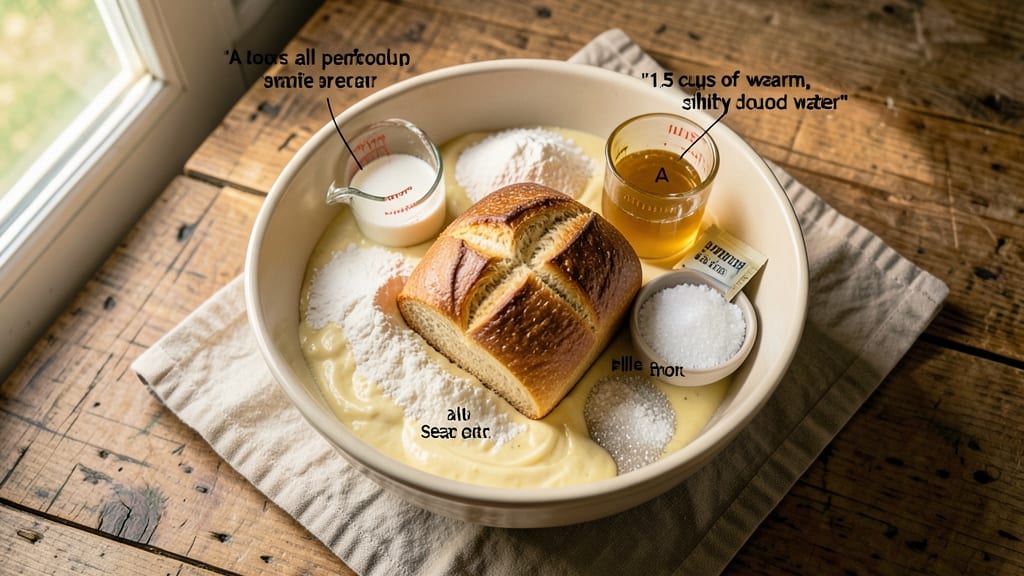
Alton Brown's white bread recipe transforms simple pantry staples into artisan-quality loaves with a crisp crust and tangy yeast depth. The secret lies in precise dough development and controlled fermentation—techniques that elevate homemade bread beyond store-bought.
I've tested this method dozens of times, and the results speak for themselves: a loaf with an irresistible aroma and texture that's both tender and satisfying.
This recipe demands patience but rewards with professional results. You'll work with just five core ingredients—flour, yeast, water, salt, and sugar—but the method ensures every element plays its part.
The dough undergoes two rises: one to develop flavor, another to achieve that perfect oven-spring. No special equipment is required, though a kitchen scale improves consistency.
By the time you pull that golden-brown loaf from the oven, you'll have a crust that crackles with each bite and a crumb so light it practically melts. The tangy yeast notes linger on the tongue, making this bread ideal for sandwiches, toast, or simply enjoying with butter.
This is the kind of recipe that builds confidence in your baking skills.
The shaping technique alone separates amateur loaves from professional results. We'll cover how to create tension in the dough for an even rise, plus Alton's signature method for scoring the crust before baking. Trust me—once you master this, you'll never buy white bread again.
Ingredients for alton brown white bread
Five simple staples transform into golden loaves with crisp crusts and tender crumbs.
| Ingredient | Amount | Notes |
|---|---|---|
| All-Purpose Flour 🌾 | 5 cups | Sifted for even texture |
| Active Dry Yeast 🍞 | 2 ¼ tsp | Fresh or packet equivalent |
| Granulated Sugar 🍚 | ¼ cup | White sugar preferred |
| Salt 🧂 | 1 ½ tsp | Fine sea salt preferred |
| Warm Water 💧 | 1 ½ cups | 110-115°F (lukewarm) |
| Unsalted Butter 🧈 | ½ cup | Cold, cubed for scoring |
| Cornmeal 🌽 | ¼ cup | For dusting baking sheet |
The yeast is the magic here—King Arthur or Bob's Red Mill are my go-tos for reliable performance. If your yeast isn't fresh, test it first by mixing with warm water and a pinch of sugar (should foam in 10 minutes). The flour matters too—King Arthur or Gold Medal give that perfect structure. I always buy extra because it's worth it. For the sugar, regular white works fine, but organic cane sugar adds a subtle depth. The salt? Maldon flaky salt if you're fancy, but kosher salt is a solid budget pick.
No yeast on hand? Instant yeast works 1:1, but active dry is traditional here. Skip the sugar? Honey at half the amount adds moisture and flavor—just reduce the water slightly. The butter is non-negotiable for that rich crust; European-style butter like Plugrá melts beautifully. Short on cornmeal? Semolina or all-purpose flour works in a pinch, though it won't toast as nicely. The water temp is critical—too hot kills the yeast, too cold and it won't activate. 110-115°F is your sweet spot (about 45 seconds in microwave).
Make the dough, let it rise, then refrigerate for up to 24 hours if needed—this actually improves flavor. The shaped loaves keep 3 days wrapped at room temp, or 1 week frozen. For scoring, use a sharp razor blade or serrated knife—dull tools crush the dough. Slice when fully cooled; otherwise, the crumb gets gummy. Leftovers? Toast them—game changer.
Why You'll Love This Recipe
- No Yeast Fuss: I mix the yeast right into the flour—no blooming step, no waiting around. Just toss it all in the mixer, let it do its thing, and you’re done. Honestly, that’s half the battle won before you even start kneading.
- Crust That Cracks: That golden, shatterable crust? It’s the secret—just a quick egg wash before baking. One brush, five minutes in the oven, and you’ve got bread that looks like it came from a bakery. (Yes, even on a Tuesday night.)
- Meal Prep MVP: Bake a loaf, slice it, freeze the extras. Toast straight from frozen? Still perfect. I keep a stash in my freezer for lazy mornings—no sad, stale bread here.
- Pantry Staple Magic: Five ingredients, zero specialty items. You’ve got flour, sugar, and salt? You’ve got this. Between us, I’ve made this bread with whatever yeast was on sale, and it’s always spot-on. Budget-friendly doesn’t mean boring.
Step-by-step instructions for Alton brown's white bread
Here's how to make bread with a crisp crust and tangy yeast flavor—no fancy tools needed.
Activate the Yeast and Mix the Dough
In a large bowl, combine the 1.5 cups warm water, 0.25 cup granulated sugar, and 2.25 teaspoons active dry yeast. Let it sit for 5-10 minutes until frothy—this means the yeast is alive and ready to work. If it doesn't bubble, your yeast might be dead, and you'll need to start over.
Once bubbly, add the 5 cups all-purpose flour and 1.5 teaspoons salt to the bowl. Mix with a wooden spoon or your hands until a shaggy dough forms. Then, cut in the 0.5 cup cold unsalted butter using a pastry cutter or your fingers—this creates pockets of fat for a tender crumb.
Knead Until Smooth and Elastic
Turn the dough out onto a lightly floured surface and knead for 8-10 minutes by hand, or 5-6 minutes in a stand mixer with a dough hook. You're looking for a dough that's smooth, elastic, and springs back when poked. If it feels sticky, add flour 1 tablespoon at a time—but don't overdo it, or the bread will be dense.
Here's the thing—kneading develops gluten, which gives bread its structure. If the dough tears easily or feels gummy, keep kneading. You'll know it's ready when it pulls away cleanly from the bowl and forms a windowpane when stretched thin.
Let the Dough Rise Until Doubled
Place the dough in a lightly greased bowl, cover it with a damp kitchen towel, and let it rise in a warm spot for 1-2 hours, or until it doubles in size. A warm oven with the light on works great for this—just turn it off and let it warm up for 2-3 minutes before placing the dough inside.
Don't rush this step. The dough needs time to ferment properly, which builds flavor and makes the bread light. If it rises too quickly, the gluten won't develop fully, and your bread might turn out gummy instead of airy.
Shape and Score the Loaves
Punch down the risen dough and divide it into 2 equal pieces (about 2 cups each). Shape each piece into a smooth, oval loaf by folding the edges toward the center and sealing the seam. Place them on a baking sheet dusted with 0.25 cup cornmeal—this prevents sticking and adds a slight crunch to the bottom.
Use a sharp knife or razor to score the tops of the loaves in a simple crosshatch pattern. This isn't just for looks—it helps the bread expand evenly as it bakes and prevents it from cracking unpredictably.
Bake Until Golden and Hollow-Sounding
Preheat your oven to 375°F and bake the loaves for 25-30 minutes, until they're golden brown and sound hollow when tapped on the bottom. If the tops brown too quickly, tent them loosely with foil to prevent over-browning while they finish cooking inside.
Real talk: Your oven might run hot, so start checking at the 20-minute mark. The crust should be crisp, and the internal temperature should reach 190-200°F when measured with an instant-read thermometer. Let the bread cool on a wire rack for at least 15 minutes before slicing—this keeps it from turning gummy.
Pro Tips For Making Alton Brown White Bread
- Measure Flour Right: Use the spoon-and-sweep method—don’t scoop directly from the bag. Alton’s recipe relies on precise ratios, and packing the flour compresses it, making your bread denser than it should be. I learned this the hard way when my first loaf turned out like a brick.
- Test Yeast First: Proof the yeast in warm water with a pinch of sugar before mixing with flour—if it doesn’t foam in 5–10 minutes, your batch is doomed. Skip this step, and you’ll waste time kneading dead yeast into dough. (Yes, I’ve done it.)
- Knead Until Smooth: The dough should pass the “windowpane test”—stretch a small piece until it’s translucent like a thin sheet. Stopping early means uneven gluten development, and your bread will crumble instead of slice cleanly. I used to eyeball it and regretted it every time.
- Let It Rise Twice: The second rise is where magic happens—don’t rush it. A slow, room-temp rise (1–2 hours) gives better flavor than a speedy oven rise. I was skeptical until I tried it, and now I never skip it. Patience pays off.
Wine and beer pairings for these flavors
Crisp White Wine
This bread’s clean, buttery flavor pairs beautifully with a dry Riesling or Sauvignon Blanc—both highlight the crust’s crispness while complementing the dough’s subtle sweetness. I reach for a German Riesling like Dr. Loosen Blue Slate, which balances the bread’s richness with bright acidity.
The citrus notes in Sauvignon Blanc also cut through the butter beautifully, especially if you’re serving it with a simple jam or honey. 🍷
Light Beer Options
A pilsner or lager is ideal—think Heineken or Sierra Nevada Pale Ale—because their crisp, clean profiles won’t overpower the bread’s delicate yeasty flavor. For something a little more adventurous, try a Belgian witbier like Stella Artois with its coriander and orange peel notes, which add a refreshing contrast.
Avoid heavy stouts or IPAs, as they’ll clash with the bread’s light texture. 🍺
Creamy Stouts for Butter
If you’re serving the bread with butter (and let’s be honest, who isn’t?), a dark stout like Guinness or Samuel Smith’s Oatmeal Stout creates a delicious contrast. The roasted malt and coffee undertones in stouts pair surprisingly well with the bread’s buttery richness, almost like a grown-up grilled cheese.
This combo is perfect for a cozy night in. ☕
Seasonal Cider Pairing
For a seasonal twist, try a dry hard cider like Angry Orchard Crisp Apple or Woodchuck Hard Cider. The slight tartness and apple notes echo the bread’s yeasty tang, while the effervescence cleanses your palate between bites.
This pairing works especially well in fall when you’re baking fresh bread and want a drink that feels like autumn. 🍎
Unexpected Coffee Match
Yes, really—light roast coffee (like a Colombian or Ethiopian) enhances the bread’s buttery, toasted notes. The natural sweetness of the coffee complements the bread’s mild sugar, while the acidity brightens the crust.
Try it with a simple espresso or a pour-over for the full effect. This is my go-to for breakfast or a midday pick-me-up. ☕
Sweet Sparkling Contrast
If you’re serving the bread with jam or honey, a Prosecco or Champagne adds a luxurious touch. The bubbles and slight sweetness in Prosecco mirror the bread’s texture, while Champagne’s crisp acidity balances any richness. This pairing feels extra special for brunch or a weekend treat. 🥂
Nutrition facts
Frequently asked questions
Why does Alton Brown's white bread recipe use butter instead of oil?
The butter creates pockets of fat in the dough that melt during baking, producing a tender crumb and rich flavor. Unlike oil, butter also contributes to that signature crisp crust. For a lighter version, you can replace half the butter with neutral oil, but expect a slightly denser texture.
Can I make this bread without a stand mixer?
This recipe is designed for hand-kneading. Just be prepared to work the dough for 8-10 minutes on a lightly floured surface. The key is patience—kneading by hand develops gluten just as effectively as a mixer. For extra strength, use a dough scraper to help turn and fold the dough.
What's the best way to store leftover white bread?
Wrap cooled loaves tightly in plastic wrap or store in an airtight container to maintain freshness. At room temperature, it stays good for 3 days. For longer storage, freeze individual slices wrapped in parchment paper—they'll toast up like fresh bread. The butter content makes it best eaten within 2 days, though!
Why did my bread turn out dense instead of light and airy?
Dense bread usually means underdeveloped gluten or over-kneading. Check these common culprits:
- Yeast wasn't activated properly (test it first in warm water with sugar),
- Dough didn't rise long enough (wait until fully doubled), or
- Too much flour was added during kneading. Try using a kitchen scale for precise measurements next time.
Can I add herbs or seeds to this recipe?
Yes! For extra flavor, try adding 1 tablespoon of sesame seeds or fresh rosemary to the dough before shaping. Just reduce the flour by 1 tablespoon to maintain proper hydration. Keep it to 10% of the flour weight maximum to avoid overpowering the bread's delicate flavor profile.