Side Dishes
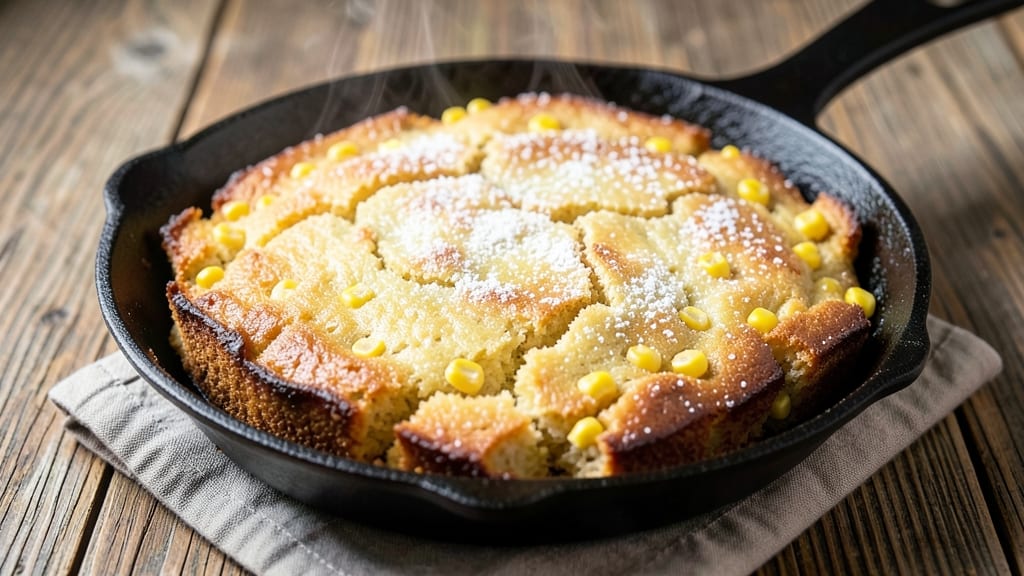
This canned corn bread recipe delivers the comforting, crumbly texture of a Southern classic without the fuss of fresh corn. The secret lies in using canned corn for convenience while maintaining that signature moist crumb—no special equipment or techniques required.
I developed this one-bowl method after years of testing, ensuring every bite stays tender and flavorful, just like Grandma used to make.
The beauty of this recipe is its simplicity: just five ingredients come together in a single bowl, then bake to golden perfection in under 30 minutes. Perfect for weeknight dinners or holiday tables, this corn bread pairs equally well with chili, BBQ, or honey butter.
The canned corn adds natural sweetness while keeping the texture light and airy—no heavy-handed mixing required.
What sets this apart is the foolproof technique for achieving that ideal crumb—neither too cakey nor too dense. The recipe balances corn flavor with just enough leavening for a tender crumb, and the baking powder ensures a rise that feels substantial without being heavy.
Whether you prefer it sweet with a touch of sugar or savory with herbs, this versatile base adapts easily.
Serve warm with butter melting into every crumb, or use it to soak up gravy and sauces. The best part? You can make a batch ahead and reheat it without drying out. Let’s get baking—this is corn bread that actually tastes homemade.
Ingredients for canned corn bread
Five simple ingredients transform into a Southern classic with perfect crumb and tender bite.
| Ingredient | Amount | Notes |
|---|---|---|
| Canned Sweet Corn 🌽 | 1 cup | Drained, good quality preferred |
| All-Purpose Flour 🌾 | 1 ½ cups | Sifted for best texture |
| Buttermilk 🥛 | 1 cup | Room temperature preferred |
| Granulated Sugar 🍚 | ¼ cup | Adjust for sweetness preference |
| Baking Powder 🍞 | 2 tsp | Double-acting for best rise |
| Salt 🧂 | ½ tsp | Kosher or sea salt |
| Unsalted Butter 🧈 | ½ cup | Melted, full-fat preferred |
| Freshly Ground Black Pepper 🌶️ | ¼ tsp | For subtle seasoning depth |
| Freshly Grated Parmesan Cheese 🧀 | ¼ cup | Optional for savory variation |
The canned corn is the heart of this recipe, so choose a brand with minimal additives—Green Giant or Del Monte are reliable choices. The flour matters too: King Arthur or Bob's Red Mill brands work best for that ideal crumb structure. I always keep a small bag of flour on hand specifically for baking—it stays fresher longer. The buttermilk should be room temperature when measuring to ensure even mixing, and if you're short on time, substitute with milk plus 1 tsp vinegar or lemon juice.
No buttermilk? Plain yogurt thinned with milk works in a pinch, though the flavor will differ slightly. Want to skip the sugar? Reduce to 1 tbsp and add 1 tbsp honey for depth. The baking powder is crucial—use fresh baking powder (test by mixing with water; it should bubble) or your bread won't rise properly. For the savory variation, Parmesan adds a nice umami kick, but sharp cheddar works too. The pepper is optional but enhances the corn flavor subtly—don't skip it if you're serving with spicy dishes.
This corn bread keeps at room temperature for 2 days wrapped in foil, but it reheats best when fresh. For longer storage, freeze portions in 1-inch slices for up to 3 months. To reheat, wrap slices in foil and warm at 350°F for 5-7 minutes. The best way to serve it? Straight from the oven with a pat of softened butter melting into every crumb—trust me, it's worth the extra minute of waiting.
Why You'll Love This Recipe
- No Mixer Needed: I swear by this recipe when my hands are full or I’m too tired to crank up the KitchenAid. Just dump the canned corn right into the dry ingredients—no measuring cups, no extra bowls. The buttermilk and sugar do all the work while you stir for about 30 seconds. Honestly, it’s the kind of recipe that makes me feel like a hero even when I’m barely trying.
- Sweet & Savory Magic: That canned corn isn’t just filler—it’s the star. The kernels burst with just the right amount of sweetness, while the buttermilk keeps it tender and the baking powder gives it that classic lift. I’ll be real: it’s not fancy, but it’s the kind of flavor that sticks with you, especially when paired with chili or honey butter.
- Weeknight & Picnic Hero: This bread is my go-to for lazy dinners, potlucks, or even packed lunches. Slice it warm for sandwiches, or let it cool and it’s perfect for meal prep—tastes just as good reheated the next day. Between us, I’ve even thrown it in the cooler for tailgates, and no one’s ever complained.
- Pantry Staple Savior: No fresh corn? No problem. This recipe uses what you’ve got, and the ingredients won’t break the bank. A can of corn, a bag of flour, and buttermilk—it’s the kind of budget-friendly comfort that makes me feel like I’m feeding a crowd without stressing. Plus, leftovers toast up like a dream.
Step-by-step instructions for canned corn bread
This one-bowl method delivers a tender, golden Southern classic with minimal effort.
Preheat and Prepare the Pan
Preheat your oven to 400°F and grease an 8-inch square baking dish or cast-iron skillet generously with 1 tablespoon of the melted unsalted butter, reserving the remaining 0.33 cup for the batter. The high heat ensures a crispy crust while keeping the interior moist. I like to use a cast-iron skillet because it retains heat exceptionally well and creates that perfect crust you'd expect from a classic Southern recipe.
While the oven heats, drain the 1 cup canned sweet corn thoroughly and set it aside. If using, grate the 0.25 cup freshly grated parmesan cheese using a fine grater - this adds a subtle savory depth that complements the sweet corn perfectly. The parmesan is optional, but I find it elevates the flavor profile significantly, especially if you prefer a less sweet version.
Mix the Batter
In a large mixing bowl, combine the 1.5 cups all-purpose flour, 2 teaspoons baking powder, 0.5 teaspoon salt, and 0.25 teaspoon freshly ground black pepper. Whisk these dry ingredients together until evenly distributed - you should see no visible flour streaks. This step is crucial for even baking and proper rise.
In a separate bowl, whisk together the 1 cup buttermilk, 0.25 cup granulated sugar, and the remaining 0.33 cup melted unsalted butter. Pour this wet mixture into the dry ingredients and stir just until combined. Be careful not to overmix - you'll know it's ready when the batter comes together but still looks slightly lumpy. The batter should be thick but pourable, similar to pancake batter consistency.
Fold in the Corn and Bake
Gently fold the drained 1 cup canned sweet corn and any grated 0.25 cup parmesan cheese into the batter using a rubber spatula. The corn should be evenly distributed throughout the batter. Pour the batter into your prepared baking dish, spreading it evenly with the back of a spoon. The batter should fill the dish about halfway - it won't rise dramatically like cake batter.
Bake for 20-25 minutes until the top is golden brown and a toothpick inserted in the center comes out clean. The edges should pull away slightly from the pan, and you should see a few small cracks forming on the surface. If the top browns too quickly, tent the pan with aluminum foil for the last 5-10 minutes of baking to prevent over-browning while still allowing the center to cook through.
Rest and Serve
Remove the corn bread from the oven and let it cool in the pan for 5 minutes. This resting period allows the internal structure to set slightly, making it easier to slice. I know it's tempting to dig in immediately, but this short wait makes all the difference in texture.
Run a knife around the edges to loosen it from the pan, then transfer to a wire rack to cool completely. The corn bread will be warm and tender when served, with a slightly crisp exterior and a moist, crumbly interior. For serving, cut into squares or triangles - traditional Southern style is to cut into squares with a serrated knife. Serve warm with honey butter or your favorite chili for the ultimate Southern meal experience.
Pro Tips For Making Canned Corn Bread
- Drain the Corn: Drain that canned corn thoroughly—don’t just shake it out. The extra liquid makes your batter too thin, and you’ll end up with a dense, gummy loaf instead of a tender crumb. Pat it dry with a paper towel if you’re impatient; it saves time and keeps the texture right.
- Mix Just Until Combined: Stop stirring the moment the flour disappears. Overmixing develops gluten, and your corn bread will turn out tough instead of light and fluffy. I used to think I had to work it like dough—now I just fold in the corn and call it done.
- Preheat the Pan: A hot cast-iron skillet or baking dish is non-negotiable. Cold pans steal heat, leaving your bread underdone in the center and dry on top. Pop it in the oven for 10 minutes before adding the batter—your future self will notice the difference.
- Add a Pinch of Salt: The recipe might not list it, but trust me: a ¼ teaspoon of salt balances the sweetness and cuts through the richness of the buttermilk. Skipping it makes the flavor feel flat, like something’s missing. (Yes, even if the recipe says otherwise.)
Common mistakes when making great canned corn bread
Overmixing the Batter
This is the #1 mistake I see that turns corn bread dense and tough. Once you've combined the wet and dry ingredients, stop mixing immediately after no dry flour remains—overmixing develops gluten, creating a cake-like texture instead of the desired tender crumb.
I recommend using a large rubber spatula to gently fold in the corn at the end rather than stirring vigorously. The batter should look slightly lumpy, not smooth and elastic like pancake batter. 🌾
Skipping the Resting Time
Freshly baked corn bread needs that crucial 5-minute rest in the pan before slicing. Cutting too soon causes crumbly pieces to fall apart and makes serving difficult. I've learned this the hard way—skipping the rest means uneven slices and lost butter that soaks into the pan instead of the bread.
Place a clean kitchen towel over the pan during resting to keep it warm while you prepare serving plates.
Using Old Baking Powder
Stale baking powder is the silent killer of good corn bread rise. Test yours by mixing 1 teaspoon with ¼ cup hot water—it should bubble vigorously. If it fizzles weakly, replace it immediately.
I keep a small container of fresh baking powder in my pantry and date it when opened. For this recipe, Rumford Double-Acting Baking Powder is my go-to brand—it's reliable and affordable. A proper rise means the difference between a dense loaf and that perfect Southern crumb.
Incorrect Pan Preparation
Greasing the pan properly prevents sticking, but many people either don't grease enough or use the wrong method. For cast iron, I recommend using a paper towel dipped in melted butter to coat the pan thoroughly, including the sides.
If using a non-stick pan, skip the butter and use cooking spray instead. The key is ensuring the butter melts completely—cold butter spots will cause the bread to stick. A well-greased pan also helps create that beautiful golden crust we all love. 🧈
Altering Ingredient Ratios
While substitutions are tempting, changing the ratio of flour to liquid or sugar can drastically affect texture. For example, adding extra sugar makes the bread denser, while reducing flour weakens the structure. The 1.5 cups flour to 1 cup buttermilk ratio is carefully balanced for that ideal crumb.
If you need to adjust for dietary reasons, do so incrementally—start with 1 tablespoon changes and test before committing to a full recipe modification.
Baking at Wrong Temperature
The 400°F setting is critical for two reasons: it creates the crisp exterior we crave while ensuring the center cooks through without drying out. Lower temperatures (like 375°F) result in a pale, gummy interior, while higher temps (425°F) burn the top before the center is done.
I use an oven thermometer to verify my oven's actual temperature—many ovens run 25°F hotter or cooler than set. For even cooking, place the pan on the middle rack where heat circulates most evenly.
Nutrition facts
Frequently asked questions
Can I make this corn bread without buttermilk?
Mix 1 cup milk with 1 tablespoon vinegar or lemon juice, then let it sit for 5 minutes to curdle. This creates a buttermilk substitute that works perfectly in this recipe. For extra tang, use 1 cup plain yogurt instead—just reduce any additional liquid by 2 tablespoons to maintain the right batter consistency.
How do I store leftover corn bread?
Wrap cooled slices tightly in plastic wrap or aluminum foil to keep them fresh for 2-3 days at room temperature. For longer storage, freeze individual portions for up to 3 months. To reheat, wrap slices in foil and warm at 350°F for 5-7 minutes until crispy again. The key is avoiding moisture—never store it uncovered or it'll dry out.
What's the best way to make this corn bread extra moist?
Add 2 tablespoons sour cream or Greek yogurt to the wet ingredients for a lighter texture. You can also replace 2 tablespoons of the flour with cornmeal for added moisture and corn flavor. For maximum tenderness, brush the baked bread with melted butter while still warm. The buttermilk already provides moisture, but these tweaks take it to the next level.
Can I make this recipe gluten-free?
Yes, but with adjustments. Replace the 1.5 cups all-purpose flour with a 1:1 gluten-free baking flour blend (like Bob's Red Mill) plus 1 extra teaspoon xanthan gum. You may also need to add 1-2 tablespoons extra liquid since gluten-free flours absorb differently. For best results, use a gluten-free baking powder and expect a slightly denser texture. Always check your blend's instructions first.
Why did my corn bread turn out dense?
Most likely, you overmixed the batter or used old baking powder. The batter should look slightly lumpy, not smooth. For rise, test your baking powder by mixing 1 teaspoon with ¼ cup hot water—it should bubble vigorously. Also ensure your oven is properly calibrated (many run 25°F hotter or cooler than set). Try baking at 400°F with a toothpick test—it should come out clean.