
Desserts
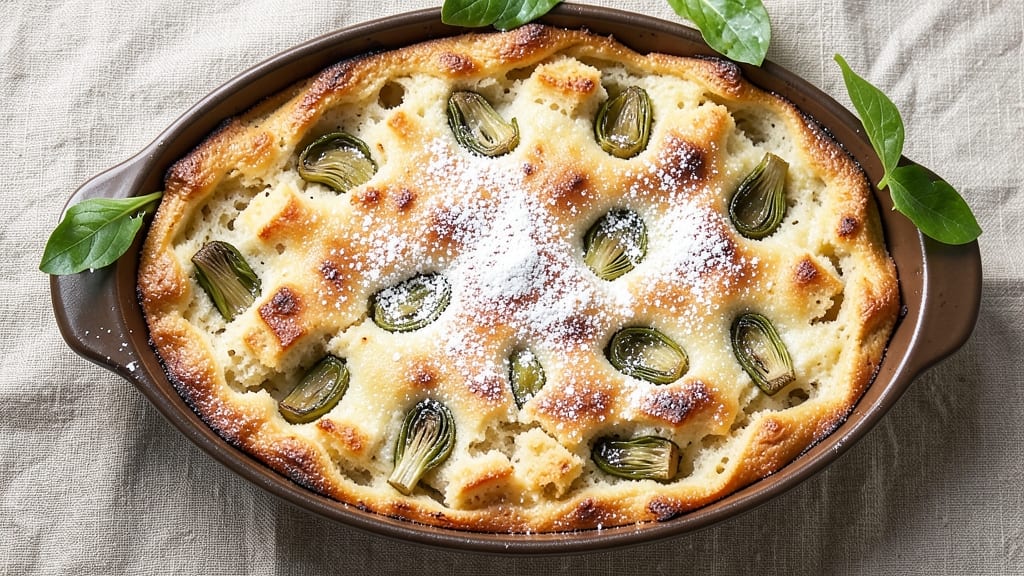
This artichoke bread pudding recipe transforms ordinary stale bread into a vegetarian masterpiece with crisp golden edges and herby creaminess that feels like a hug in dessert form.
The artichokes add a subtle Mediterranean brightness that cuts through the richness, while the custardy center delivers that perfect balance between tender and slightly firm. I developed this after realizing how versatile artichokes could be beyond salads—turns out, they're the secret weapon for elevating bread pudding to restaurant-quality dessert status.
The beauty of this recipe lies in its foolproof technique that requires just 10 minutes of prep and 45 minutes of baking—ideal for weeknight desserts or holiday gatherings.
You'll soak cubed bread in a rich egg-milk mixture infused with artichoke hearts, then bake until the edges are golden and crisp while the center remains velvety.
The artichokes break down slightly during baking, releasing their natural flavors into the custard for that signature herby depth that sets this apart from classic versions.
What you'll end up with is a showstopping dessert that looks as impressive as it tastes—golden, slightly caramelized edges framing a creamy custard speckled with artichoke pieces.
The aroma alone will have everyone gathering around the kitchen as it bakes, and the texture contrast between the crisp exterior and soft interior makes every bite satisfying. This is the kind of dessert that feels special without requiring hours of effort or fancy ingredients.
Serve warm with a drizzle of honey or a dollop of whipped cream for extra indulgence, or pair it with fresh berries to balance the richness. The vegetarian nature makes it perfect for plant-based diets, though traditional versions use eggs and dairy.
Let's get baking—this dessert will become your new go-to for any occasion that calls for something comforting yet elegant.
Ingredients for artichoke bread pudding
Transform ordinary bread into this Mediterranean-inspired vegetarian dessert with artichokes and herby richness.
| Ingredient | Amount | Notes |
|---|---|---|
| Stale Baguette 🍞 | 1 ½ lb | Cubed, crust removed |
| Large Eggs 🥚 | 6 whole | Room temperature preferred |
| Whole Milk 🥛 | 2 cups | Full-fat for creaminess |
| Marinated Artichoke Hearts 🌿 | 14 oz | Drained, quartered |
| Granulated Sugar 🍚 | ½ cup | Light brown preferred |
| Unsalted Butter 🧈 | ½ cup | Cold, cubed |
| Vanilla Extract 🌸 | 1 tsp | Pure, high-quality |
| Diamond Crystal Kosher Salt 🧂 | 1 tsp | Adjust to taste |
| Fresh Thyme Leaves 🌿 | ¼ cup | Chopped, stems removed |
| Extra-Virgin Olive Oil 🫒 | 2 tbsp | For greasing dish |
| Pecorino Romano Cheese 🧀 | ¼ cup | Freshly grated |
| Heavy Cream 🥛 | ½ cup | For topping, optional |
| Honey 🍯 | 2 tbsp | For drizzling, optional |
The marinated artichoke hearts are the star here—look for water-packed in the canned vegetable aisle at Whole Foods or Trader Joe's for the best quality. Drained and quartered, they'll infuse the custard with their signature Mediterranean brightness. Fresh thyme elevates the herby notes, so snag it from the produce section—the good stuff at Costco is always a safe bet. For the bread, stale baguette works best: the crust adds texture, but remove it if you prefer a smoother texture. Eggs should be room temperature for even baking—just take them out 30 minutes before starting.
No marinated artichokes? Water-packed hearts work just as well—simply rinse and drain. Fresh thyme unavailable? Dried thyme at one-third the amount gets you close, but the flavor won't be as vibrant. For a dairy-free twist, substitute unsweetened almond milk for the whole milk and vegan butter for the unsalted butter. The Pecorino Romano adds a sharp contrast to the sweetness—skip it for a milder flavor if preferred. Store-bought vanilla extract is fine, but Madagascar bourbon vanilla from Penzeys takes this to the next level.
This dessert reheats beautifully—best served warm with a drizzle of honey or dollop of heavy cream. Store leftovers in an airtight container for up to 3 days in the fridge. For make-ahead convenience, assemble the pudding up to 24 hours ahead and refrigerate before baking. The texture improves overnight as the bread absorbs more liquid. Portion into individual ramekins for elegant serving—perfect for holiday gatherings or weeknight indulgences.
Why You'll Love This Recipe
- Stale Bread Rescue: I swear by this trick—toss in that dried-out baguette you’ve been meaning to throw away, and it transforms into something golden and tender. No fancy prep, just tear, soak, and bake.
- Umami Bomb: Those marinated artichoke hearts? They’re the star—briny, buttery, and packed into every bite like a little Mediterranean hug. The sugar caramelizes just enough to balance the tang.
- Weeknight Crowd-Pleaser: Serve it warm for dinner, cold for breakfast, or even as a dessert when guests show up unexpectedly. Honestly, I’ve fed a houseful with one pan and still had leftovers.
- Budget Magic: Eggs, milk, and artichokes stretch into a dish that feels fancy without costing a fortune. Plus, it reheats beautifully—my secret weapon for lazy mornings.
Step-by-step instructions for artichoke bread pudding
Transform stale baguette into a rich, herby bread pudding with crisp edges and tender artichoke-infused centers.
Prepare the Artichoke and Baguette Base
Drain the 14 ounces of marinated artichoke hearts thoroughly and pat them dry with paper towels. Using a sharp knife, quarter each heart and remove any tough stems. Set aside in a medium bowl. In a separate large bowl, cut the 1.5 pounds of stale baguette into 1-inch cubes, removing any crusts to ensure even cooking.
Arrange the baguette cubes in a single layer on a baking sheet and toss them gently with 2 tablespoons of extra-virgin olive oil. Spread them out evenly and toast in a preheated 350°F oven for 8-10 minutes until lightly golden. This step enhances their texture and prevents a gummy final product. Remove from the oven and let cool slightly before combining with the artichokes.
Create the Custard Mixture
In a large mixing bowl, whisk together the 6 whole large eggs until they are completely homogeneous. Gradually add the 2 cups of whole milk while whisking continuously to prevent curdling. Stir in the 0.5 cup of granulated sugar, 1 teaspoon of vanilla extract, and 1 teaspoon of diamond crystal kosher salt until fully dissolved. The mixture should be smooth and slightly thickened.
Fold in the 0.25 cup of chopped fresh thyme leaves and the 0.25 cup of freshly grated pecorino romano cheese using a spatula, being careful not to overmix. Add the toasted baguette cubes and quartered artichoke hearts, gently tossing until every piece is coated in the custard mixture. Let the mixture rest for 10 minutes at room temperature to allow the bread to absorb some of the liquid.
Assemble and Bake the Pudding
Preheat your oven to 375°F. Lightly grease a 9x13-inch baking dish with a small amount of the extra-virgin olive oil. Transfer the bread pudding mixture into the prepared dish, pressing down gently to ensure even distribution. The top should be slightly uneven, which will create beautiful crispy edges during baking.
Bake for 35-40 minutes until the edges are golden brown and the center is just set. To test doneness, insert a knife near the center—it should come out clean with slight resistance. If the top browns too quickly, loosely tent it with aluminum foil after 20 minutes to prevent over-browning while ensuring the center cooks through.
Finish with Cream and Honey
Once removed from the oven, let the bread pudding rest for 5 minutes before serving. In a small saucepan, gently warm the 0.5 cup of heavy cream over low heat until it begins to steam but does not boil. Pour the warm cream evenly over the top of the pudding and sprinkle with an additional 1 tablespoon of grated pecorino romano cheese for extra richness.
Drizzle the 2 tablespoons of honey in an artistic pattern over the top, allowing it to seep into the crispy edges. Serve immediately while the pudding is warm, with additional honey on the side for drizzling. The contrast of the herby, artichoke-infused custard with the golden, honey-drizzled top creates a truly memorable dessert.
Pro Tips For Making Artichoke Bread Pudding
- Soak the Bread Properly: Drown those baguette cubes in milk for at least 30 minutes—no, not just a quick dip. I learned this the hard way when my first attempt came out dry and sad. The bread needs time to absorb the liquid, especially if you're using thicker slices or a denser loaf. If you're in a rush, microwave the milk for 30 seconds first to help it soak faster, but don’t skip the full soak time.
- Drain and Pat Artichokes: Those marinated artichoke hearts are sneaky—if you don’t drain and pat them dry, your pudding will turn into a watery mess. After draining, press them between paper towels for a solid minute. Wet artichokes release too much liquid, and this bread pudding isn’t a soup.
- Whisk Eggs Like Mad: Don’t just crack and stir the eggs—whisk them vigorously until they’re fully combined and slightly frothy. I used to half-ass this step, and my pudding would end up lumpy or undercooked. A quick 30-second blast with a fork or whisk makes a real difference in texture. The goal is a smooth, velvety custard, not scrambled bits.
- Bake Until Golden, Not Just Set: Your pudding might look "done" at 350°F after 40 minutes, but resist pulling it out until the top is deep golden brown—think caramelized, not pale. I used to take it out too soon, and it’d be gummy inside. If the edges are browning too fast, tent foil loosely over the top for the last 10 minutes. The crust is what makes this dish sing.
Troubleshooting this dish
Gummy Center Fix
The most common issue with artichoke bread pudding is a gummy center, often caused by over-soaking the bread or underbaking. To prevent this, I recommend toasting your bread cubes at 350°F for 8-10 minutes before mixing with the custard—this step dries the surface slightly and creates a better texture.
If you notice the center isn't set after 40 minutes, pop it back in for another 5-10 minutes—just watch closely to avoid over-browning. 🔥
Uneven Browning
If your pudding browns too quickly on top while the center stays undercooked, tent it loosely with aluminum foil after 20 minutes of baking. This traps heat at the bottom while allowing the top to cook through evenly.
For extra insurance, I like to use a light-colored baking dish—dark dishes can cause uneven cooking. If you prefer a deeper golden color, brush the top with a little whole milk before the final 5 minutes of baking.
Artichoke Flavor Too Strong
The artichokes should add brightness, not dominate. If you find the flavor overpowering, reduce the amount to 10 ounces instead of 14 ounces. For a milder taste, rinse the marinated artichokes under cold water before draining to remove excess brine.
If you love artichokes but want balance, add 1 teaspoon of lemon zest to the custard mixture—it brightens the flavors without competing. 💫
Bread Not Absorbing Liquid
If your bread pudding seems too wet or soupy, it’s likely because the bread didn’t absorb enough custard. Let the soaked mixture rest for 15 minutes (instead of 10) before baking to give the bread time to soak up more liquid.
For extra texture, try adding 2 tablespoons of cornstarch to the custard mixture—it helps thicken the custard slightly and prevents a runny pudding. Also, make sure your bread cubes are 1-inch or smaller for even absorption.
Dry or Crumbly Texture
A dry or crumbly texture usually means the bread was over-toasted or the custard was too thin. To fix this, reduce the toasting time to 5-7 minutes and ensure your custard mixture is smooth and slightly thickened before combining with the bread.
If the pudding still feels dry, add 2 tablespoons of warm milk to the custard before baking. For extra richness, fold in 2 tablespoons of melted butter along with the pecorino romano cheese. ✨
Artichokes Staying Too Firm
If your artichoke hearts remain tough after baking, they likely weren’t cooked long enough. To ensure they soften, extend the baking time by 5-10 minutes or cover the pudding with foil for the last 10 minutes of baking.
For a quicker fix, simmer the quartered artichokes in 1 cup of water for 5 minutes before adding them to the custard—this pre-cooks them slightly and ensures they break down during baking.
Nutrition facts
Frequently asked questions
Can I use fresh artichokes instead of marinated hearts?
Fresh artichokes work but require extra prep! First, trim them and steam for 15-20 minutes until tender, then chop the meaty parts into small pieces. Use about 2 large fresh artichokes (about 12 ounces cooked weight) to match the 14 ounces of marinated hearts. The texture will be slightly different but still delicious.
How can I make this bread pudding ahead of time?
Assemble the pudding in your baking dish and refrigerate overnight (up to 24 hours) before baking. This actually improves the texture as the bread absorbs more liquid. When ready to bake, add 5 extra minutes to the baking time since it'll start cooler. The flavor develops beautifully overnight!
What's the best bread to use for maximum crispiness?
For golden, crisp edges, use a crusty baguette or challah with a tight crumb. Avoid soft breads like brioche—they'll make the pudding too dense. If you love texture contrast, leave the crusts on but cut them into smaller pieces (½-inch) so they crisp faster.
Can I make this recipe dairy-free?
Replace the whole milk with unsweetened almond milk or oat milk, the butter with vegan butter, and the heavy cream with coconut cream. Skip the pecorino or use nutritional yeast for a cheesy flavor. The texture will be slightly lighter but still rich.
Why does my bread pudding have a watery custard?
This usually happens when the bread doesn't absorb enough liquid. Let the soaked mixture rest for 15 minutes (instead of 10) before baking. For extra insurance, add 1 tablespoon of cornstarch to the custard mixture. Also ensure your bread cubes are 1-inch or smaller for even absorption.