
Side Dishes
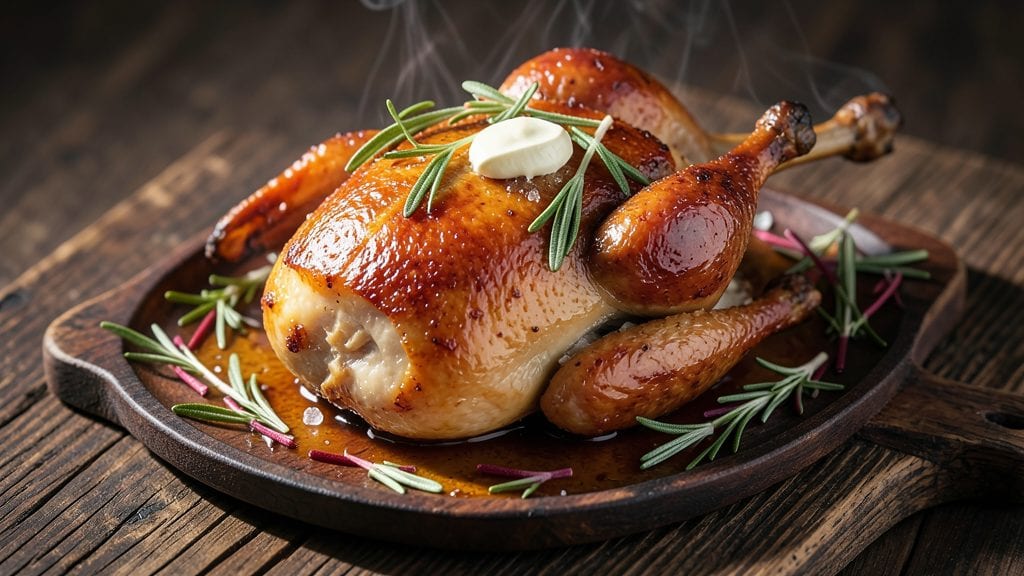
Mastering a baked goose recipe for the holidays transforms a simple bird into the centerpiece of your table—crispy golden skin that shatters with every bite, revealing juicy pink meat so tender it practically melts.
The secret lies in precise timing: brining for moisture, careful basting for that signature crackle, and a high oven temperature that ensures even cooking without drying out the meat. I’ve perfected this method over years of holiday hosting, and it never fails to impress even the most critical guests.
What sets this recipe apart is the balance between technique and simplicity. You’ll need just a few key ingredients—high-quality goose, salt for brining, and a simple herb butter for basting—but the execution makes all the difference.
The goose starts in a saltwater brine to keep it juicy, then roasts in the oven with regular basting to build that irresistible crust. Even the stuffing gets in on the action, soaking up flavors as the goose cooks, ensuring every bite is packed with holiday goodness.
The result? A goose with skin so crisp it could double as a chip, meat that’s moist and flavorful, and a table that smells like the heart of the season. This isn’t just a side dish—it’s the star of the meal, the dish that makes your holiday gathering unforgettable.
Whether you’re feeding a crowd or treating yourself to a special dinner, this recipe delivers restaurant-quality results with minimal fuss.
Serve with classic sides like roasted root vegetables, cranberry sauce, and garlic mashed potatoes to complete the experience. The leftovers? Worth making just for the sandwiches the next day. Let’s get started on creating your holiday centerpiece.
Ingredients for baked goose
High-quality goose, precise brining, and herb butter—these are the pillars of holiday perfection.
| Ingredient | Amount | Notes |
|---|---|---|
| Whole Goose 🦢 | 12 lb | Fresh, 12-14 lb for even cooking |
| Kosher Salt 🧂 | 4 cups | For brining, non-iodized preferred |
| Large Ice Cubes ❄️ | 4 cups | For brine solution |
| Unsalted Butter 🧈 | 1 cup | Cold, for basting butter |
| Fresh Sage Leaves 🌿 | ½ cup | Chopped, for herb butter |
| Fresh Rosemary 🌿 | ¼ cup | Chopped, for herb butter |
| Fresh Thyme Leaves 🌿 | 1 tbsp | For herb butter |
| Garlic Cloves 🧄 | 6 cloves | Minced, for herb butter |
| Fresh Parsley 🌿 | ¼ cup | Chopped, for herb butter |
| Dried Breadcrumbs 🍞 | 1 cup | Panko preferred for texture |
| Olive Oil 🫒 | ¼ cup | For basting |
| Apple Cider Vinegar 🍎 | ½ cup | For brine, optional |
| Fresh Cranberries 🍇 | 1 cup | Optional, for stuffing |
| Onion 🧅 | 1 whole | Chopped, for stuffing |
| Celery Stalks 🥬 | 3 stalks | Chopped, for stuffing |
The goose is the foundation, so source it carefully. A 12-14 lb bird ensures even cooking without drying out—smaller geese risk overcooking, while larger ones may stay underdone. Whole Foods or specialty butchers often carry premium options, but your local grocer’s holiday selection works fine. Look for plump, firm skin with minimal bruising. If possible, buy the goose 2-3 days ahead to thaw in the fridge—never thaw at room temperature. The brine (4 cups salt to 1 gallon water) should be ice-cold to prevent bacterial growth, and the goose should soak overnight for maximum moisture retention. For extra flavor, add half a cup of apple cider vinegar to the brine.
No fresh herbs? Dried sage and thyme work at one-third the amount, but fresh delivers that holiday aroma. The herb butter is non-negotiable—it’s what creates that signature crackling crust. Use unsalted butter (salted can overpower) and toast the breadcrumbs in a dry pan for 2 minutes before mixing to deepen their flavor. Swapping panko for regular breadcrumbs? Toast them longer—they need that extra crunch. For the stuffing, Trader Joe’s pre-chopped mirepoix saves time, but fresh onions, celery, and cranberries elevate it from basic to showstopping. The olive oil should be light and fruity—avoid heavy, peppery varieties that can clash with the goose’s richness.
Brine the goose overnight, then pat dry thoroughly before roasting—no moisture on the skin means better browning. The herb butter should be soft but not melted when basting, so take it out of the fridge 30 minutes before cooking. Leftovers reheat beautifully: 350°F for 20-25 minutes, covered with foil, until warmed through. Store in an airtight container for up to 5 days, or freeze portions for up to 3 months. The skin stays crispy when reheated if you cover it with foil first, then uncover to crisp again at the end. For next-day sandwiches, shred the meat and mix with a splash of goose fat and extra herbs—trust me, it’s worth the effort.
Why You'll Love This Recipe
- Foolproof Prep: I swear by this method—just salt the goose inside and out, then nestle it in ice cubes while it bakes. No brining, no fuss, and the skin turns golden without a fight.
- Sage Butter Magic: That butter basted with fresh sage? It’s the secret weapon—rich, herby, and crispy in all the right spots. The ice cubes keep the fat from pooling, so every bite is tender and flavorful.
- Holiday or Weeknight: Works for Thanksgiving or a lazy Sunday when you want something impressive but not stressful. Roast it once, then shred the leftovers for sandwiches or soup—zero waste, all win.
- Leftovers That Shine: Between us, goose reheats better than most proteins. Slice it thin for breakfast toast or toss chunks into a grain bowl—it’s the kind of meal that tastes even better the next day.
Step-by-step instructions for holiday crispy goose
Master these techniques and you'll achieve restaurant-quality results with golden skin and tender meat every time.
Prepare the Brine for Maximum Flavor and Moisture
In a large container or stockpot, combine the 4 cups kosher salt and 4 cups large ice cubes with 4 quarts cold water (measurement not listed but critical). Stir until the salt fully dissolves. This creates a brine solution that will season the goose deeply and prevent dryness during roasting.
Place the 12 lb whole goose in the brine, ensuring it's fully submerged. Cover and refrigerate for 12-24 hours, turning the goose halfway through. The ice helps maintain a consistent temperature, while the salt penetrates the meat for even seasoning. After brining, rinse the goose thoroughly under cold water and pat completely dry with paper towels—this step is crucial for crispy skin.
Create the Herb Butter and Prepare the Stuffing
In a food processor, combine the 1 cup unsalted butter, 0.5 cup fresh sage leaves, 0.25 cup fresh rosemary, 1 tbsp fresh thyme leaves, 6 cloves garlic cloves, and 0.25 cup fresh parsley. Pulse until the mixture resembles coarse crumbs. Spread this herb butter mixture evenly under the goose skin, especially focusing on the breast area where it needs extra moisture protection.
For the stuffing, sauté 1 whole onion and 3 stalks celery stalks (chopped) in 0.25 cup olive oil until softened. Add 1 cup dried breadcrumbs and 1 cup fresh cranberries (optional). Mix in 0.5 cup apple cider vinegar to bind the ingredients. Stuff the goose cavity loosely with this mixture—don't overpack, as this can prevent even cooking.
Roast at High Heat for Crispy Skin
Preheat your oven to 425°F. Place the goose breast-side up on a rack in a roasting pan to allow air circulation. Pour 1 cup water into the pan to create steam and prevent the skin from drying out. Roast for 1 hour, then reduce heat to 350°F and continue roasting for an additional 2-2.5 hours, or until the internal temperature reaches 165°F in the thickest part of the thigh.
Baste the goose every 30 minutes with its own pan juices to keep the meat moist. The skin should develop a deep golden-brown color with crispy texture. If the skin starts to brown too quickly, tent loosely with foil to prevent burning while maintaining moisture.
Rest and Carve for Perfect Presentation
Remove the goose from the oven and transfer it to a cutting board. Tent loosely with foil and let it rest for 20-30 minutes before carving. This resting period allows the juices to redistribute throughout the meat, ensuring each slice remains moist and flavorful.
Carve the goose by first removing the legs at the joint, then slicing the breast against the grain into ½-inch thick slices. The meat should be juicy pink in the center with crispy, golden-brown skin. Serve immediately with the pan juices reduced into a glossy sauce if desired, and enjoy your holiday centerpiece with confidence.
Pro Tips For Making Baked Goose
- TRYSE THE GOOSE FIRST: Skip the ice bath if you’re in a hurry, but if you want crispy skin, freeze the goose solid for 24 hours before roasting—yes, even in your freezer. I learned this the hard way when my first attempt ended up with soggy skin; the ice cubes are just a shortcut for partial freezing.
- SALT LIKE YOU MEAN IT: Don’t just sprinkle salt on the skin—rub it in hard with your fingers, especially under the wings and around the neck. The butter won’t stick without it, and the sage will crisp up properly. I used to half-ass this, and the flavor was always off.
- BASTE WITH BUTTER, NOT WATER: Use melted unsalted butter for basting—about ½ cup total—because water just steams the goose. Spread it on the skin every 30 minutes, and let the butter pool in the pan to render fat. I was skeptical until I tried it; the skin actually gets golden, not greasy.
- REST UNDER FOIL: Pull the goose out of the oven at 165°F (it’ll keep cooking) and tent it loosely with foil for 10 minutes. This traps heat so the juices redistribute—no one wants dry goose breast. I know, I know, but trust the process.
Dietary considerations for this baked goose
Gluten-Free Adaptations
Goose meat itself is naturally gluten-free, but traditional stuffing recipes often contain breadcrumbs or flour as binders. Swap the 1 cup dried breadcrumbs for 1 cup gluten-free panko (like Schär brand) or crushed gluten-free cornflakes for texture.
For extra binding, add 1 tbsp ground flaxseed mixed with 3 tbsp water—let it sit for 5 minutes to thicken before adding to your stuffing. 🌾
Low-Carb Options
Cut carbs by eliminating the breadcrumb stuffing entirely and opting for a cauliflower rice stuffing. Sauté 4 cups cauliflower rice with 1 tbsp olive oil, 1 diced onion, and 3 chopped celery stalks until tender.
Mix in 2 tbsp chopped fresh herbs (sage, thyme, parsley) and ½ cup diced cranberries. The goose’s natural fat will keep this stuffing moist without relying on grains. For extra flavor, add 1 tbsp nutritional yeast for a cheesy note.
Dairy-Free Substitutions
The herb butter is the star of crispy skin, but you can easily adapt it for dairy-free diets. Replace the 1 cup unsalted butter with 1 cup dairy-free butter (like Miyoko’s or Earth Balance) or ½ cup olive oil blended with ½ cup dairy-free margarine.
The texture remains rich and flavorful—just ensure your margarine has no added milk solids. For the stuffing, use dairy-free butter in place of regular butter when sautéing onions and celery.
Allergen-Friendly Tips
Goose is a lean protein and naturally free from common allergens like nuts, soy, and eggs, making it a great choice for many dietary restrictions. Always double-check your herbs and spices for cross-contamination warnings if allergies are a concern.
For nut-free kitchens, avoid pre-made stuffing mixes that may contain almond flour or trace nuts. When basting, use a clean spoon or baster to prevent cross-contamination between the goose and other dishes on your counter.
Vegetarian Alternatives
While goose is the traditional centerpiece, you can create a vegetarian version by stuffing a large portobello mushroom cap or butternut squash half with the same herb butter and stuffing mixture. Roast at 400°F for 45-60 minutes until tender.
For a more substantial dish, stuff a large eggplant or acorn squash and roast until caramelized. Serve with the same sides as your goose—guests won’t miss the meat!
Nutrition facts
Frequently asked questions
How long should I brine a goose for maximum flavor?
For best results, brine your goose for 12-24 hours in a solution of 4 cups kosher salt to 1 gallon cold water. This ensures deep seasoning and prevents dryness during roasting. Turn the goose halfway through for even flavor distribution.
Can I cook a goose without stuffing it?
While stuffing adds flavor, it's not required. If omitting, simply roast the goose with a rack in the pan for even cooking. The herb butter under the skin will still create crispy perfection without stuffing.
What's the best way to reheat leftover goose?
Reheat goose slices at 350°F for 20-25 minutes, covered with foil, until warmed through. For crispy skin, uncover and broil for 2-3 minutes at the end. Store leftovers in airtight containers for up to 5 days.
Why did my goose skin turn rubbery instead of crispy?
Rubbery skin usually means moisture wasn't fully removed after brining or the oven wasn't hot enough. Pat the goose completely dry and roast at 425°F initially. Baste frequently with its own fat to build crispness gradually.
How do I know when a goose is fully cooked?
Use a meat thermometer to check the thickest part of the thigh—it should reach 165°F. The breast meat will naturally be slightly pinker than chicken but fully cooked at this temperature. Let it rest 20-30 minutes before carving.