Main Courses
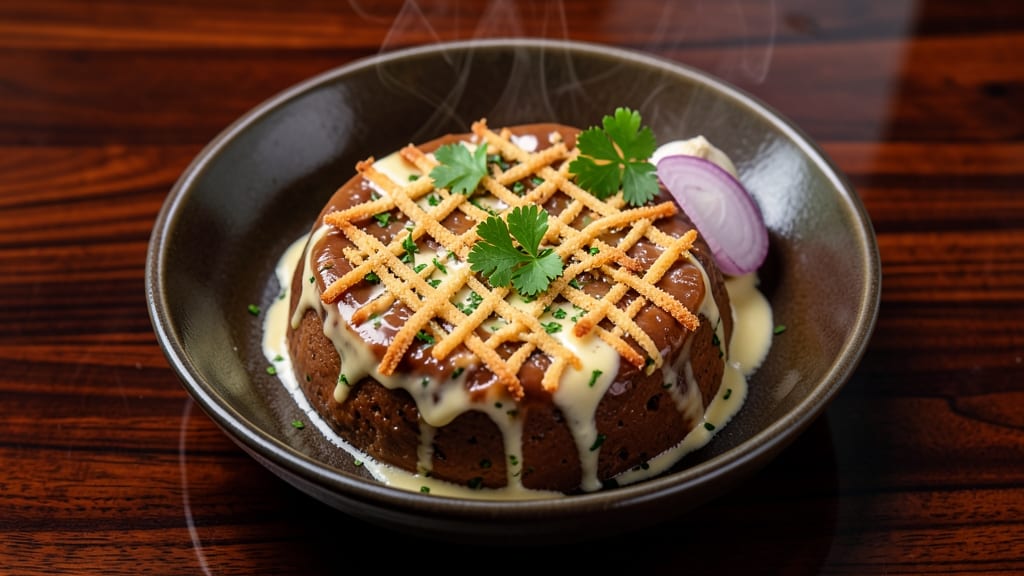
This beef liver pudding recipe delivers a rich, savory classic with a crisp cornmeal crust and velvety centers that balance earthy liver flavors perfectly. The traditional method transforms tender liver into a luxurious, gelatinous dessert-like dish that’s both comforting and sophisticated—ideal for special occasions or when you want to impress.
I’ve refined this recipe over years to ensure the texture is consistently silky while the crust remains golden and crunchy, never soggy.
The secret lies in precise simmering and chilling, which creates that signature silky yet firm texture. Unlike modern shortcuts, this method respects tradition by using high-quality beef liver, aromatic herbs, and a carefully constructed cornmeal crust that adds a satisfying contrast.
While it requires patience—especially the overnight chilling—every step is designed to make the process straightforward for even those new to liver-based dishes.
What you’ll achieve is a restaurant-quality centerpiece that’s served chilled, sliced into perfect rectangles, and garnished with fresh herbs. The contrast between the creamy liver filling and the crisp crust makes each bite unforgettable.
Perfect for holiday menus or when you want to elevate a meal with something truly special. Let’s bring this classic to life with confidence.
This dish pairs beautifully with a crisp white wine or a bright red salad to balance its richness. The recipe yields enough for 6-8 generous servings, making it ideal for gatherings where you want to stand out.
With a few simple ingredients and careful technique, you’ll master a dish that’s equal parts comforting and elegant.
Ingredients for beef liver pudding
Sixteen ingredients transform humble liver into a luxurious, restaurant-quality centerpiece with velvety texture and crisp crust.
| Ingredient | Amount | Notes |
|---|---|---|
| Beef Liver 🥩 | 1 ½ lb | Fresh, high-quality, trimmed of fat |
| Heavy Cream 🥛 | 1 ½ cups | Full-fat, cold for best texture |
| Whole Milk 🥛 | ½ cup | Room temperature preferred |
| Yellow Onion 🧅 | 1 whole | Finely chopped, sweet variety |
| Garlic Cloves 🧄 | 4 cloves | Minced, fresh preferred |
| Fresh Parsley 🌿 | ¼ cup | Chopped, stems removed |
| Fresh Thyme 🌿 | 1 tbsp | Leaves only, finely chopped |
| Cornmeal 🌾 | 1 ½ cups | Fine grind, stone-ground preferred |
| All-Purpose Flour 🌾 | ½ cup | For crust structure |
| Unsalted Butter 🧈 | ½ cup | Cold, cubed for crust |
| Diamond Crystal Kosher Salt 🧂 | 1 ½ tsp | Adjust to taste |
| Ground Black Pepper 🌶️ | ½ tsp | Freshly ground |
| Nutmeg 🌶️ | ¼ tsp | Freshly grated |
| Egg Yolks 🥚 | 3 whole | Fresh, room temperature |
| Cold Water 💧 | ¼ cup | For chilling process |
The beef liver is the foundation—fresh, high-quality cuts from a trusted butcher ensure optimal texture. Look for bright red, firm liver with minimal bruising, and trim all visible fat. Whole Foods Market or local specialty butchers typically carry the best quality, though most grocery stores stock it. Freshness is critical; use within 24 hours of purchase. For the cornmeal crust, stone-ground cornmeal from brands like Bob's Red Mill provides superior texture compared to pre-packaged mixes. The heavy cream must be cold—draw it from the fridge last to maintain temperature stability during preparation.
Substitutions should be approached with caution to preserve the dish's delicate balance. If fresh herbs are unavailable, dried parsley and thyme can be used at one-third the quantity, though fresh yields superior flavor. For those avoiding dairy, coconut cream can replace heavy cream, though texture may vary slightly. The cornmeal crust can accommodate gluten-free cornmeal if needed, though binding may require an additional 1 tbsp of tapioca starch. Nutmeg can be omitted if unavailable, but its warm aroma is essential for depth. Pre-minced garlic works in a pinch, but fresh yields more vibrant flavor—simply peel and rough-chop for best results.
Proper storage is key to maintaining the signature silky texture. Once chilled, the pudding should be kept covered in the refrigerator for up to 4 days, though it's best enjoyed within 24-36 hours for optimal firmness. The cornmeal crust can be prepped ahead and stored separately for 2 days, while the filling should be assembled just before baking. For longer storage, freeze the assembled pudding (unbaked) for up to 3 months, thawing overnight in the refrigerator before baking. Garnish with fresh herbs just before serving to preserve their vibrant color and aroma.
Why You'll Love This Recipe
- Minimal Chopping Required: I swear by this—just dice one onion and mince a few garlic cloves. The liver gets tender fast in the cream, so you’re not stuck stirring for hours. (The kids can handle that part while you sip coffee.)
- Rich Without the Fuss: That heavy cream and milk turn the liver into something velvety, not gamey. The onions caramelize just enough to add depth, but honestly? It’s the garlic that steals the show—crisp and aromatic, like a hug in a bowl.
- Leftover Magic: Make a double batch and store it in the fridge. Cold, it’s even better the next day—great for quick lunches or when you need a hearty side. My husband eats it straight from the fridge with toast, no judgment here.
- Budget Powerhouse: Beef liver is cheap, and this recipe stretches it far. A single pound feeds four, and the dairy adds richness without breaking the bank. (Yes, even on a Tuesday night.) Plus, it’s way more impressive than takeout.
Step-by-step instructions for beef liver pudding
This method delivers a silky liver center with a perfectly crisp cornmeal crust every time.
Prepare the Beef Liver Filling
Begin by trimming all visible fat from the 1.5 lb beef liver and pat it completely dry with paper towels. This step is crucial for preventing a greasy pudding. Cut the liver into ¼-inch thick slices and place them in a bowl. Add the 0.5 cup whole milk, 1.5 cups heavy cream, 1.5 tsp diamond crystal kosher salt, 0.5 tsp ground black pepper, 0.25 tsp nutmeg, 0.25 cup chopped fresh parsley, and 1 tbsp finely chopped fresh thyme. Stir gently to combine, ensuring the liver pieces are fully coated in the marinade. Let this mixture sit at room temperature for 30 minutes while you prepare the crust components.
This marinade not only seasons the liver but also helps tenderize it, ensuring a silky texture when cooked. The nutmeg and thyme add subtle warmth that complements the rich liver flavor without overpowering it. Keep the mixture uncovered to prevent any condensation from forming, which could dilute the flavors.
Assemble the Cornmeal Crust
In a separate bowl, combine the 1.5 cups cornmeal, 0.5 cup all-purpose flour, and the 0.5 cup cold unsalted butter, which should be cut into small cubes. Use your fingers or a pastry cutter to work the butter into the dry ingredients until the mixture resembles coarse crumbs with pea-sized butter pieces remaining. This texture is essential for creating a crisp crust rather than a dense one.
Press the cornmeal mixture evenly into a 9-inch round baking dish, creating a ¼-inch thick layer along the bottom and up the sides. Use the back of a spoon to smooth the surface and ensure an even thickness. Preheat your oven to 375°F while you prepare the filling. The crust should be firm but not packed down tightly—this allows for proper heat circulation during baking.
Layer and Bake the Pudding
Carefully transfer the marinated liver and its liquid to the prepared cornmeal crust, distributing it evenly across the bottom of the baking dish. The liquid should pool around the liver slices, creating a moist environment for even cooking. Sprinkle the 4 minced garlic cloves evenly over the top of the liver. Place the baking dish on a rimmed sheet pan to catch any potential spills during baking.
Bake at 375°F for 45-50 minutes, until the crust is deep golden brown and the liver reaches an internal temperature of 145°F when checked with an instant-read thermometer. The top of the crust should be crisp, while the liver center should remain moist and tender. If the crust begins to brown too quickly, tent the dish with aluminum foil to prevent over-browning while allowing the liver to cook through.
Finish with Egg Yolks and Chill
Remove the pudding from the oven and let it cool for 10 minutes. In a small bowl, whisk together the 3 whole egg yolks and 0.25 cup cold water until smooth. Slowly pour this mixture over the hot pudding, allowing it to seep into the cornmeal crust and coat the liver. Return the pudding to the oven and bake for an additional 10-15 minutes, until the egg mixture sets into a delicate custard layer.
Let the pudding cool completely at room temperature before refrigerating for at least 2 hours, or until fully chilled. This resting period allows the flavors to meld and the textures to set properly. When ready to serve, run a thin knife around the edge of the pudding to loosen it from the baking dish. Invert onto a serving plate, and use the back of a spoon to gently release any stubborn crust pieces. Serve chilled with a dollop of additional heavy cream if desired.
Pro Tips For Making Beef Liver Pudding
- Sear Liver First: Don’t skip browning the liver—it adds depth. Heat a dry pan over medium-high, add liver slices, and sear for 1-2 minutes per side until golden. The caramelized crust keeps the pudding from tasting flat and makes all the difference when mixed with cream.
- Blanch Onions, Not Sauté: I used to sweat onions until soft, but that makes the pudding watery. Instead, blanch chopped onions in boiling water for 2 minutes, then shock in ice water. They’ll stay bright and add sweetness without releasing excess moisture into the cream base.
- Don’t Overmix the Cream: Once you fold in the heavy cream and milk, stop stirring the second everything is just combined. Overmixing turns the pudding gummy—think silky, not gluey. A few gentle swirls with a spatula keeps the texture luxurious.
- Use Cold Cream, Warm Liver: Chill the heavy cream and milk in the fridge until just before mixing, but keep the cooked liver warm. Cold cream blends smoother and doesn’t curdle when combined with hot liver. (Yes, even if you’re impatient like me.)
Health benefits of this beef liver pudding
Liver's Nutrient Powerhouse
Beef liver is one of nature's most nutrient-dense foods, packed with iron (about 6mg per 3.5 oz serving) that supports red blood cell production and oxygen transport.
It's also an exceptional source of vitamin B12—a 3-ounce portion provides 60% of your daily needs—crucial for nerve function and energy metabolism. The liver in this pudding retains these nutrients while transforming into a luxurious texture. 💪
Protein Without Compromise
This dish delivers high-quality complete protein with all nine essential amino acids your body needs for muscle repair and immune function. A 3-ounce serving contains about 25 grams of protein, comparable to a chicken breast but with added micronutrients.
The heavy cream and egg yolks in the recipe further enhance the protein content while creating that signature silky texture.
Rich in B Vitamins
The liver provides a complete B vitamin complex including riboflavin (B2), niacin (B3), and folate (B9)—all essential for energy production and cellular repair. These vitamins work synergistically to support metabolism and brain health.
The thyme and nutmeg in the recipe complement these nutrients by adding aromatic depth that enhances flavor without competing with the liver's natural richness.
Healthy Fats in Balance
While liver is naturally rich in fats, this recipe balances them with the unsaturated fats from heavy cream and butter, which support heart health when consumed in moderation. The cornmeal crust adds fiber and complex carbohydrates that help slow digestion, preventing blood sugar spikes.
For those watching fat intake, you can reduce the butter in the crust by 20% without sacrificing texture significantly.
Digestive Benefits
The combination of liver, garlic, and thyme in this dish creates a meal that's surprisingly gentle on digestion. Garlic contains allicin, a compound with natural antimicrobial properties, while liver provides glycine, an amino acid that supports liver detoxification.
The chilled serving temperature further aids digestion by slowing the eating process and reducing heat stress on the digestive system. ✨
Versatile Nutritional Boost
This pudding serves as a complete nutritional powerhouse that can be incorporated into various meal plans. For vegetarians, it offers an alternative to traditional liver dishes while still providing similar nutrient benefits.
The recipe's flexibility allows you to adjust portions to fit specific dietary needs—perfect for those following balanced eating patterns or looking to incorporate more organ meats into their diet.
Nutrition facts
Frequently asked questions about beef liver pudding
Why does beef liver pudding need to chill overnight?
The overnight chilling transforms the liver into its signature silky, gelatinous texture. The cold temperature helps the proteins set properly while allowing the flavors to meld completely. Skipping this step results in a softer, less cohesive pudding that won't hold its shape when sliced.
Can I use chicken liver instead of beef liver?
Yes, but the flavor and texture will differ significantly. Chicken liver is milder and leaner, resulting in a less rich pudding. For best results, stick with beef liver for that classic depth of flavor and luxurious mouthfeel. If you must substitute, reduce the cooking time by 10-15 minutes since chicken liver cooks faster.
What if my cornmeal crust gets soggy?
A soggy crust usually means the pudding wasn't chilled long enough or the crust wasn't properly pre-baked. Always bake the crust for 10 minutes before adding the filling to create a moisture barrier. After baking, let it cool completely before refrigerating. For extra insurance, brush the crust with melted butter before adding the filling.
How do I serve beef liver pudding traditionally?
Traditionally, this dish is served chilled in rectangular slices about ½-inch thick, arranged on a platter with fresh parsley garnish. Pair it with a crisp white wine like Sauvignon Blanc or a bright red salad to balance its richness. Some versions include a drizzle of reduced red wine sauce for added elegance.
Can I make this recipe ahead of time?
The pudding actually tastes better after 24 hours of chilling as the flavors deepen. Assemble it completely (including the egg yolk topping) and refrigerate for up to 3 days before baking. For make-ahead convenience, prepare the crust and filling separately and store them in airtight containers in the fridge for up to 2 days.