Main Courses
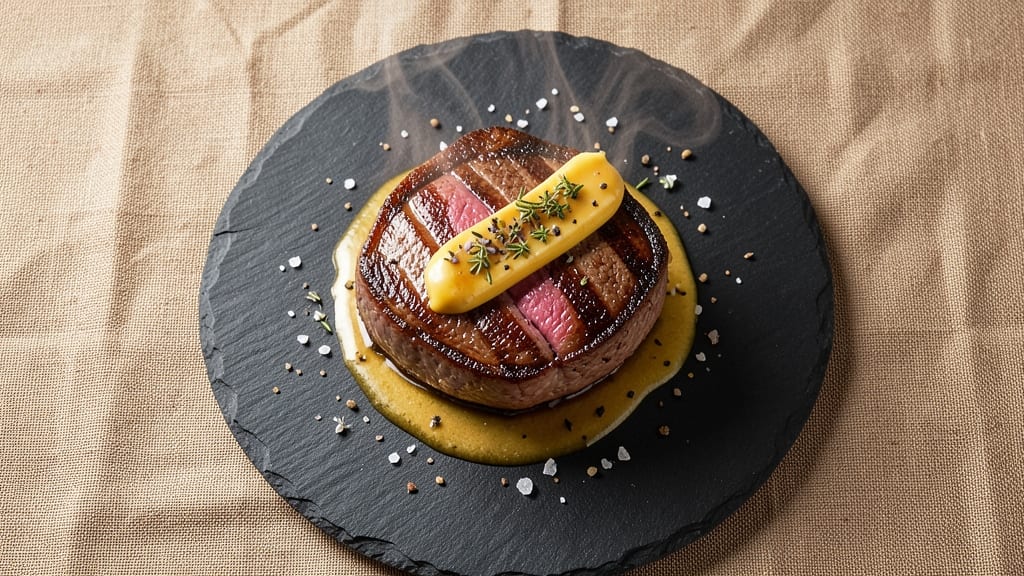
Mastering the perfect beef loin top sirloin steak boneless cap off means achieving that edge-crispy crust while keeping the core juicy and tender. This recipe delivers restaurant-quality results with a cast-iron sear that locks in flavor and moisture—no fancy equipment required.
I’ve refined this method over years of testing, ensuring every bite is balanced between smoky char and melt-in-your-mouth tenderness.
The secret lies in proper prep: a dry brine for enhanced flavor, precise seasoning, and high-heat searing to develop that crispy crust. We’ll cook it to medium-rare (130–135°F internal) for optimal texture, then rest it to redistribute juices.
This isn’t just another steak recipe—it’s a foolproof technique that transforms a simple cut into a showstopper.
By the end, you’ll have a steak with a caramelized crust, a pink center that yields to every bite, and a depth of flavor that rivals high-end steakhouses. The method is straightforward, but the results are professional—no guesswork, just consistent perfection. Ready to elevate your weeknight dinners?
Serve with classic sides like roasted garlic mashed potatoes or a simple arugula salad to let the steak shine. The key is patience and attention to detail, but the payoff is worth every minute. Let’s get cooking!
Ingredients for beef loin top sirloin steak boneless cap off
Fourteen essential components transform simple beef loin into restaurant-quality edge-crispy perfection.
| Ingredient | Amount | Notes |
|---|---|---|
| Beef Loin Top Sirloin Steak Boneless Cap Off 🥩 | 1 ½ lb | Uniform 1-inch thick cutlets, dry-brined overnight |
| Diamond Crystal Kosher Salt 🧂 | 2 tbsp | Coarse grain for even distribution |
| Freshly Ground Black Pepper 🌶️ | 1 ½ tsp | Cracked peppercorns for optimal flavor |
| Extra-Virgin Olive Oil 🫒 | ¼ cup | High smoke point for searing |
| Unsalted Butter 🧈 | ½ cup | Cold, cubed for basting |
| Garlic Cloves 🧄 | 6 cloves | Minced, for butter basting |
| Fresh Rosemary 🌿 | ¼ cup | Finely chopped, sprigs for garnish |
| Fresh Thyme 🍃 | ¼ cup | Leaves only, for herb butter |
| Meat Thermometer 🌡️ | 1 whole | Instant-read for precision |
| Cast-Iron Skillet 🍳 | 1 whole | 10-12 inch for even searing |
| Heavy-Duty Aluminum Foil 📄 | 1 sheet | For resting steaks |
The beef loin top sirloin boneless cap off is the star—select cuts with visible marbling and uniform thickness. Butcher shops often offer pre-trimmed, cap-off steaks for consistency, while Costco provides reliable quality at bulk prices. For optimal results, choose steaks that measure exactly 1-inch thick—this ensures even cooking. If purchasing whole cuts, have your butcher portion them professionally. The dry brine (2 tbsp kosher salt per pound) should be applied 12-24 hours before cooking to penetrate deeply and enhance tenderness. Freshly ground black pepper is non-negotiable here—pre-ground loses its potency within weeks.
Substitutions must prioritize texture and flavor integrity. If extra-virgin olive oil isn’t available, avocado oil works equally well for searing due to its high smoke point. For the herb butter, unsalted butter is critical—salted versions disrupt the delicate seasoning balance. Short on fresh herbs? Dried rosemary and thyme at one-third the amount suffice, though fresh yields superior aroma. The meat thermometer is essential for precision—opt for an instant-read model with a thin probe to avoid disrupting the steak’s surface. No cast-iron skillet? A heavy stainless steel pan (like All-Clad) works as a secondary option, though it requires slightly lower heat to prevent scorching.
Proper storage and prep elevate this technique from good to exceptional. Dry-brined steaks should rest uncovered on a wire rack in the fridge for 2-4 hours before cooking to maximize crust formation. The herb butter mixture (cold cubed butter, minced garlic, and herbs) must be prepared immediately before basting to preserve freshness. Cooked steaks should rest 5-10 minutes on a warm cutting board (not aluminum foil, which traps steam) to allow juices to redistribute. For meal prep, portion steaks into vacuum-sealed bags with a pat of herb butter—these reheat beautifully in a 400°F oven for 8-10 minutes while maintaining moisture. Leftovers keep for 3-4 days in the fridge or 2-3 months frozen.
Why You'll Love This Recipe
- Here’s what sold me: those steaks taste just as good cold the next day. Slice them thin for sandwiches, toss into grain bowls, or serve over eggs for breakfast. No one will guess they’re yesterday’s dinner, and your wallet stays happy because you’re not wasting a thing.
- I’ll be real: this cut is affordable, and the technique makes it taste like a splurge. The kosher salt crust and black pepper give it that charred, smoky edge without costing a fortune. It’s the kind of dish that makes you wonder why you ever paid extra for a pre-cut, pre-seasoned steak from the grocery store.
Step-by-step instructions for beef loin top sirloin steak boneless cap off
A perfect sear delivers edge-crispy texture while preserving a juicy core. Here's how to execute it flawlessly.
Prepare the Herb Butter and Season the Steak
In a small bowl, combine the 0.5 cup unsalted butter, 6 cloves minced garlic, 0.25 cup finely chopped fresh rosemary, and 0.25 cup fresh thyme leaves. Mix thoroughly and shape into a log, then wrap tightly in the sheet heavy-duty aluminum foil. Chill until ready to use—this keeps the butter firm for basting.
Remove the 1.5 lb beef loin top sirloin steak boneless cap off from refrigeration 30 minutes before cooking to bring it to room temperature. Pat it dry completely with paper towels, then season both sides generously with 2 tbsp diamond crystal kosher salt and 1.5 tsp freshly ground black pepper. Press the seasoning into the meat to ensure even distribution. This dry-brine step is critical for developing that signature crust.
Sear the Steak in Cast-Iron for Maximum Crisp
Place the 10-12 inch cast-iron skillet over medium-high heat until it's smoking hot—about 3-4 minutes. Add 0.25 cup extra-virgin olive oil and let it shimmer for 30 seconds. Place the seasoned steak in the skillet, pressing down gently with a metal spatula to ensure full contact with the hot surface. Cook undisturbed for 3 minutes.
Here's where it gets technical: Flip the steak and immediately add the chilled herb butter to the pan. Tilt the skillet slightly and spoon the melted butter over the steak continuously for 2 minutes. This basting technique creates a flavorful crust while preventing the butter from burning. The steak should develop a deep golden-brown color on both sides—this indicates proper searing.
Check Temperature and Rest for Juiciness
Use the meat thermometer to check the internal temperature. For medium-rare, aim for 130-135°F. If the steak hasn't reached this temperature, return it to the skillet for an additional 1-2 minutes per side, basting with any remaining butter. Overcooking is the enemy of juicy steak—remove it immediately when it hits your target temperature.
Transfer the steak to a cutting board and tent loosely with the sheet heavy-duty aluminum foil. Let it rest for 10-15 minutes before slicing. This resting period is non-negotiable—it allows the juices to redistribute throughout the meat, ensuring each bite remains succulent. The steak will continue to rise 5°F during this time, so don't cut into it prematurely.
Slice and Serve with Confidence
After resting, slice the steak against the grain into 0.5-inch thick pieces. The grain direction will be visible as subtle lines in the meat. Each slice should reveal a deep pink center with a crispy, caramelized exterior. If the steak has released its juices onto the board, spoon them back over the slices before serving.
Garnish with additional fresh rosemary sprigs and cracked black pepper for presentation. Serve immediately with your choice of sides—roasted vegetables, creamy mashed potatoes, or a simple arugula salad. The contrast between the crispy edges and tender interior is what makes this cut so exceptional. This method guarantees a restaurant-quality steak every time, with perfect balance between texture and flavor.
Pro Tips For Making Beef Loin Top Sirloin Steak Boneless Cap Off
- USE A CAST-IRON SKILLET: This steak’s dense cut needs heavy heat to sear properly—cast iron holds the temperature better than stainless or nonstick. If you don’t have cast iron, a thick stainless pan works, but preheat it for a full 5 minutes on max heat first.
- SALT THE MEAT 40 MINUTES EARLY: Diamond Crystal kosher salt needs time to penetrate the sirloin’s thick fibers. Generously coat both sides before searing—this seasoning isn’t just for flavor, it’s for moisture. (Yes, even if you’re impatient like me.)
- DON’T TOUCH THE STEAK: After that first sear, resist the urge to flip or poke it. Let the butter pool and foam for 2-3 minutes—this bastes the meat and builds the crust. I learned this the hard way when my steak came out dry and gray.
- FINISH WITH COLD BUTTER: Take the pan off the heat before adding the final tablespoon of butter. The residual heat will melt it into a silky sauce without burning. Cold butter also prevents the olive oil from turning bitter. (Your future self will notice the difference.)
Dietary considerations for this beef loin top sirloin steak boneless cap off
Gluten-Free Adaptations
This recipe is naturally gluten-free since it relies solely on beef, herbs, and butter—no flour or breadcrumbs are involved. However, if you're serving with traditional sides like garlic bread or beer-battered onions, opt for gluten-free alternatives.
Use a gluten-free bread mix (like Bob's Red Mill) for toasted garlic bread or serve with roasted potatoes instead. Always check labels on store-bought ingredients to avoid cross-contamination. 🌾
Low-Carb/Keto Friendly
For a low-carb or keto-friendly version, skip any starchy sides and focus on non-starchy vegetables. Roasted zucchini, asparagus, or a simple arugula salad with olive oil and lemon work perfectly.
The steak itself is already zero-carb, making it ideal for keto diets. Just ensure your herb butter contains no added sugars—stick to pure butter, garlic, and fresh herbs.
Dairy-Free Modifications
If you need to avoid dairy, replace the butter with ghee or a dairy-free butter alternative like Miyoko's. Ghee works especially well for searing because it has a high smoke point and adds a rich, nutty flavor.
For basting, use olive oil instead of butter. The crust will still form beautifully, though the flavor profile will shift slightly toward Mediterranean notes.
Allergen Considerations
This recipe is primarily beef, salt, and herbs, making it safe for most common allergies. However, if you're accommodating nut allergies, avoid garnishes like toasted pine nuts.
For egg allergies, no substitutions are needed since eggs aren’t used. Always double-check your butter and olive oil brands for potential cross-contamination warnings, especially if allergies are severe.
Protein-Packed Adjustments
To boost protein content further, consider adding a side of grilled shrimp skewers or a seared scallop appetizer. Both pair beautifully with the steak and complement its rich flavor. For a heartier meal, serve with a protein-rich salad like one with chickpeas, feta, and mixed greens.
The steak’s natural protein content remains unaltered—this is purely about balancing the meal.
Nutrition facts
Frequently asked questions
What’s the best way to choose a beef loin top sirloin steak at the store?
Look for steaks with visible marbling (white fat streaks) and a deep red color. The cut should be 1-inch thick for even cooking, and the cap (fat cap) should be removed for cleaner presentation. Ask your butcher to trim excess fat while keeping the flavorful marbling intact.
Can I cook this steak without a cast-iron skillet?
Yes! A heavy stainless steel pan (like All-Clad) works well, though it requires slightly lower heat to prevent scorching. For grilling, preheat to medium-high (400°F) and sear for 2-3 minutes per side, basting with herb butter. The key is maintaining high heat for that crispy crust.
Why does my steak turn out tough instead of tender?
Overcooking is the most common cause—steak should rest at 130-135°F for medium-rare. Use a meat thermometer to avoid guesswork. Also, pat the steak completely dry before seasoning and sear over high heat to develop a crust that locks in juices. Never skip the 10-15 minute rest after cooking.
How do I adjust cooking time for thicker or thinner steaks?
For thicker cuts (1.5+ inches), add 1 minute per side at high heat. For thinner cuts (under 1 inch), reduce time to 1-2 minutes per side. Always check internal temperature with a thermometer—130-135°F for medium-rare. The herb butter basting helps regulate heat distribution.
Can I make this recipe ahead of time?
Prep the herb butter and dry-brine the steak 12-24 hours ahead, but cook it fresh for best results. For meal prep, slice and store cooked steak in the fridge for 3-4 days or freeze for 2-3 months. Reheat in a 400°F oven for 8-10 minutes with a pat of butter to restore juiciness.