Sauces & Condiments
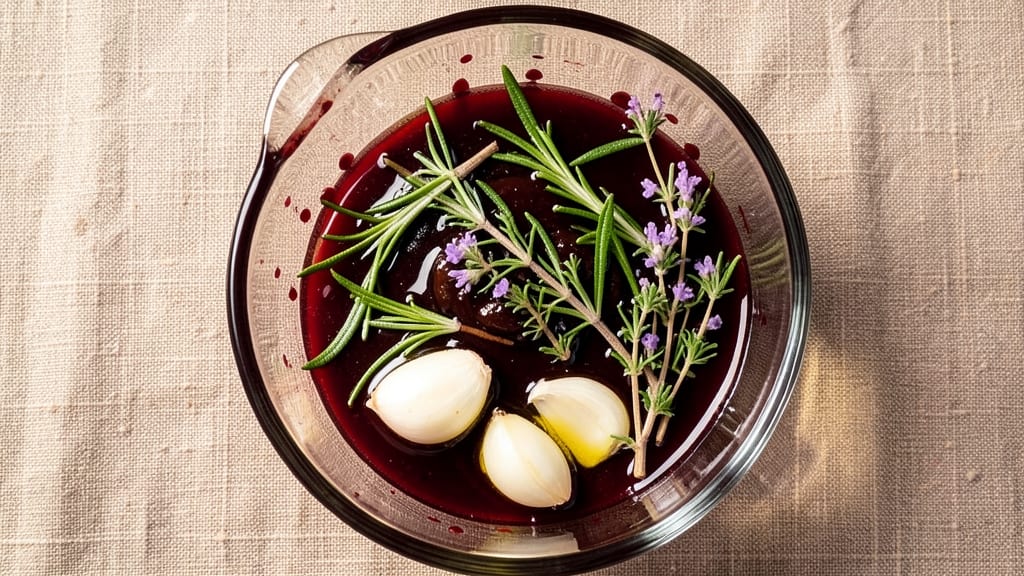
This prime rib marinade recipe transforms tough cuts into melt-in-your-mouth perfection with a bold red wine and herb infusion that penetrates deep. The secret lies in balancing acidity, umami, and aromatic herbs to create a marinade that tenderizes while building complex flavor layers.
I developed this formula after years of testing—it's the one that finally earned me compliments from even the most critical steak enthusiasts.
The marinade works its magic through precise ingredient ratios: red wine reduces to concentrate its depth, soy sauce adds umami punch, and fresh rosemary and thyme create an herbal aroma that lingers long after cooking.
This isn't just a flavor booster—it's a professional-grade tenderizer that transforms prime rib into restaurant-quality tenderness. The key is marinating for at least 12 hours, allowing the acidity to break down muscle fibers while the wine infuses rich color and depth.
What you'll achieve is prime rib with a glossy, caramelized crust and moist, buttery interior that practically falls apart at the touch of a fork. The marinade leaves behind a subtle herbal aroma that enhances rather than overpowers the natural beef flavor, creating a perfect balance of richness and complexity.
This is the kind of marinade that makes your holiday roast the centerpiece of every gathering.
The beauty of this marinade is its versatility—use it for prime rib, ribeye steaks, or even lamb chops. Once you try this recipe, you'll never go back to store-bought marinades. Let's get started on creating your signature flavor profile that will impress even the most discerning guests.
Ingredients for best prime rib marinade
Ten ingredients transform prime rib into showstopping perfection with rich red wine and aromatic herbs.
| Ingredient | Amount | Notes |
|---|---|---|
| Dry Red Wine 🍷 | 1 cup | Bold variety like Cabernet Sauvignon |
| Extra-Virgin Olive Oil 🫒 | ½ cup | High-quality, fruity flavor |
| Soy Sauce 🥢 | ¼ cup | For umami depth |
| Fresh Rosemary 🌿 | ¼ cup | Finely chopped stems included |
| Fresh Thyme 🍃 | 2 tbsp | Leaves only, stems removed |
| Garlic Cloves 🧄 | 6 cloves | Peeled and minced |
| Dijon Mustard 🍯 | 1 tbsp | For tangy kick |
| Black Peppercorns 🌶️ | 1 tbsp | Freshly cracked |
| Kosher Salt 🧂 | 1 ½ tsp | Fine grain preferred |
| Honey 🍯 | 1 tbsp | For subtle sweetness |
The red wine is non-negotiable here—Cabernet Sauvignon or Merlot work best, but whatever bold red you have open will do. Trader Joe's and Costco often have affordable bottles perfect for cooking. Fresh rosemary and thyme make all the difference (the good stuff, not the pre-trimmed grocery store versions), but if you're in a pinch, dried herbs at half the amount still work. For garlic, peel and mince while the wine reduces—it'll infuse the marinade with even more flavor. The Dijon mustard adds that tangy kick that cuts through the richness, so don't skip it.
No red wine? Beef broth with a splash of balsamic vinegar gets you close, though the flavor will be more subtle. Swapping the olive oil for avocado oil works too—just use the same amount. Fresh herbs wilt fast, so store them in damp paper towels in a sealed bag for up to 5 days. The honey can be swapped for maple syrup if you prefer, but it adds just enough sweetness to balance the acidity. For a spicier kick, add 1/2 tsp of cayenne—trust me on this one.
This marinade keeps for 5 days in the fridge, sealed tightly in a jar. For long-term storage, freeze portions in ice cube trays—thaw overnight in the fridge before using. The reduced wine base concentrates the flavor, so always reduce the wine first (simmer uncovered for 10 minutes). I like to make extra and keep it on hand for holidays—it's worth the effort to have restaurant-quality flavor at home.
Why You'll Love This Recipe
- Five-Ingredient Magic: I swear by this marinade—just wine, oil, soy sauce, and herbs. That’s it. No fussing over obscure spices or last-minute grocery runs. The red wine tenderizes while the rosemary and thyme add depth without overpowering, and honestly? I’ve made it while my coffee brewed.
- Wine-Infused Umami Bomb: Between us, the dry red wine and soy sauce combo is chef’s kiss—rich, slightly tangy, and packed with that savory punch. The olive oil keeps it silky, and the fresh herbs? They caramelize beautifully on the grill, giving you that crispy, fragrant crust that makes everyone lean in for a second bite.
- Weekend Feast or Weeknight Win: This marinade doesn’t care if you’re hosting 10 or feeding your family of four. Use it for prime rib, but I’ve also thrown it on steak or even roasted potatoes—same bold flavor, zero extra work. (Yes, even on a Tuesday night.)
- Leftovers That Don’t Suck: The best part? The marinade doubles easily, and the leftovers? They’re gold. Store it in the fridge for up to a week—perfect for last-minute meals or when you suddenly remember you forgot to defrost dinner. (It’s happened.) Plus, the wine mellows out over time, making it even more complex.
Step-by-step instructions for prime rib marinade recipe
This marinade transforms prime rib into a showstopper with bold red wine and aromatic herbs.
Combine the Wet Ingredients
In a medium mixing bowl, pour the 1 cup dry red wine and 0.5 cup extra-virgin olive oil. I always use a whisk for this step—it creates a smooth, emulsified base that coats the meat evenly. Add the 0.25 cup soy sauce and 1 tbsp Dijon mustard, stirring until fully incorporated. The wine's acidity and the mustard's tang will tenderize the meat while building rich depth of flavor.
Next, drizzle in the 1 tbsp honey. This might seem small, but it balances the acidity and adds a subtle sweetness that enhances the wine's fruitiness. Stir gently to blend without creating bubbles. The mixture should look velvety and slightly syrupy—this consistency ensures maximum penetration into the prime rib's surface.
Incorporate the Aromatics and Seasonings
Add the 6 minced garlic cloves, 0.25 cup finely chopped fresh rosemary, and 2 tbsp fresh thyme leaves to the bowl. Use a wooden spoon to gently fold everything together—you want the herbs distributed evenly without breaking them into tiny fragments. The rosemary's piney notes and thyme's earthiness will infuse the meat with layers of aromatic complexity.
In a small mortar and pestle, crush the 1 tbsp black peppercorns until they release their oils and aroma. Sprinkle this over the marinade along with the 1.5 tsp kosher salt, then stir until fully dissolved. The freshly cracked pepper adds a bright, piquant contrast to the rich wine and herbs. Taste the marinade—it should be bold but balanced, with a hint of sweetness from the honey and a touch of heat from the pepper.
Marinate the Prime Rib
Place the prime rib in a shallow glass or ceramic dish—these materials allow for even heat distribution if you refrigerate. Pour the marinade over the meat, ensuring it coats all sides completely. For best results, I recommend marinating for 4 to 8 hours in the refrigerator. The acidity in the wine and soy sauce will begin breaking down the meat fibers, creating a more tender texture while infusing deep flavor.
Turn the meat occasionally during marinating to ensure even exposure. If you're short on time, even 2 hours will make a noticeable difference, though the full 8 hours yields the most dramatic results. The prime rib should absorb the marinade's vibrant red hue, signaling it's ready to be cooked to perfection. Remove the meat from the marinade just before cooking—this prevents over-marinating, which can make the surface too soft and less searable.
Prepare for Cooking
Before cooking, pat the prime rib dry with paper towels—this is crucial for achieving a perfect crust. The marinade will have created a sticky surface, and any moisture left behind will steam the meat instead of browning it beautifully. Let the meat sit at room temperature for 30 minutes while you preheat your oven or grill. This ensures even cooking from edge to center.
For a classic approach, sear the prime rib in a hot skillet with a little oil, then transfer it to a 450°F oven for 20-30 minutes (depending on thickness) until the internal temperature reaches 130°F for medium-rare. The marinade will caramelize slightly during cooking, creating a glossy, flavorful crust that locks in all those infused aromas. Serve with the remaining marinade reduced into a glossy sauce by simmering it in a small saucepan for 5-7 minutes until slightly thickened.
Pro Tips For Making Best Prime Rib Marinade
- STRAIN THE WINE: Red wine sediment tastes like dirt—trust me, I’ve served it to guests who didn’t notice until the second bite. Pour the wine through a fine-mesh sieve or cheesecloth into a clean bowl before mixing. If you’re in a hurry, a coffee filter works in a pinch, but don’t skip this step.
- TOAST THE HERBS: Fresh rosemary and thyme lose their punch when drowned in raw wine. Give them a quick 30-second toast in a dry pan over medium heat—just until fragrant—before chopping. This concentrates their flavor without burning them, and the aroma alone makes the marinade smell like a restaurant.
- BALANCE THE SOY: Soy sauce adds depth, but too much turns your prime rib into a salty brick. Start with 1 tablespoon per cup of wine, taste the marinade, then adjust. If it’s still mild, let it sit 10 minutes—the alcohol will mellow out the saltiness. I’ve ruined marinades by ignoring this, and you don’t want that regret.
- MARINATE COLD: Prime rib is dense, and cold marinades penetrate better than room-temperature ones. Mix your ingredients in a sealed bag or container, then refrigerate for at least 4 hours (overnight is ideal). The cold also slows down the herbs from turning bitter—no one wants mushy, sad greens in their sauce.
Pro cooking tips for great best prime rib marinade
Wine Reduction Magic
The key to this marinade’s depth is reducing the red wine first—simmer it uncovered for 10 minutes until it reduces by about 25%. This concentrates the wine’s natural sweetness and acidity, creating a syrupy base that clings beautifully to the prime rib.
I use a medium saucepan on medium-high heat and stir occasionally to prevent scorching. The reduced wine also intensifies the color, giving your prime rib that restaurant-worthy red hue. 🍷
Acid Balance Secrets
The combination of wine, soy sauce, and Dijon mustard creates a perfect acid balance that tenderizes without overpowering. The wine provides 10-12% acidity, while the soy sauce adds umami depth and the Dijon mustard brings tangy brightness.
For extra tenderness, add 1 tsp of lemon juice if you’re marinating for less than 4 hours. This marinade works its magic by gently breaking down muscle fibers while infusing rich flavor.
Herb Infusion Hacks
Fresh rosemary and thyme are non-negotiable here—they add aromatic complexity that dried herbs can’t match. To maximize flavor, I pulse the rosemary in a food processor for 2 seconds before chopping by hand, which releases more oils.
For thyme, use only the leaves—stems are tough and won’t infuse properly. If you’re short on fresh herbs, dried rosemary at half the amount works in a pinch, but the flavor will be more subtle.
Marinating Timeframes
For prime rib, I recommend marinating for 4-8 hours in the refrigerator. The acidity needs time to work its magic without over-tenderizing the meat. If you’re in a hurry, 2 hours will still make a noticeable difference, but the full 8 hours yields the most dramatic results.
Always remove the meat from the marinade just before cooking—this prevents over-marinating, which can make the surface too soft for a proper sear. 💪
Temperature Control
When cooking, maintain a consistent internal temperature of 130°F for medium-rare or 145°F for medium. Use a meat thermometer—I swear by the ThermoWorks Smoke—to monitor the temperature accurately.
For a perfect crust, sear the prime rib in a hot skillet with 2 tbsp of high-smoke-point oil (like avocado or grapeseed) before transferring to the oven. The marinade will caramelize beautifully, creating a glossy, flavorful crust.
Leftovers Strategy
Save any leftover marinade in an airtight container in the fridge for up to 5 days. For a quick sauce, reduce it by simmering in a saucepan for 5-7 minutes until slightly thickened.
This works perfectly over sliced prime rib or as a dipping sauce for roasted vegetables. The reduced marinade also makes an excellent glaze for grilled chicken or pork chops. 💡
Nutrition facts
Frequently asked questions
Can I use this marinade for other cuts of beef?
This red wine and herb marinade works beautifully on ribeye steaks, New York strip, and even lamb chops. The acidity and umami balance tenderizes tougher cuts while enhancing the natural flavors. For thicker cuts like steaks, marinate for 2-4 hours instead of the full 8 hours to avoid over-tenderizing.
What if I don't have red wine? Can I substitute?
Yes! For a quick substitute, use 1 cup beef broth with 1 tbsp balsamic vinegar—it mimics the acidity and depth. For richer flavor, try 1 cup tomato paste mixed with 1/4 cup water. The marinade will be more savory than fruity but still delicious. The key is maintaining the acid balance for tenderization.
How do I know when my prime rib is fully marinated?
The prime rib is ready when it absorbs the marinade's vibrant red color and feels slightly softer to the touch. For best results, marinate for 4-8 hours—the longer it sits, the deeper the flavor penetration. Just remove it from the marinade 1 hour before cooking to prevent over-marinating, which can make the surface too tender for a good sear.
Can I make this marinade ahead of time?
This marinade keeps perfectly in an airtight container in the fridge for 5 days or up to 3 months in the freezer. For freezing, portion it into ice cube trays—thaw overnight in the fridge before using. The flavors actually deepen over time, making it ideal for holiday prep. Just give it a quick stir before marinating your meat.
What's the secret to getting a perfect crust after marinating?
Pat the prime rib very dry with paper towels before cooking—this removes excess moisture that would steam instead of brown. Let it sit at room temperature for 30 minutes before searing in a hot skillet with high-smoke-point oil. The marinade's residual sugars will caramelize beautifully, creating that coveted crust. Don't skip the drying step—it's the difference between steamed and seared perfection!