Main Courses
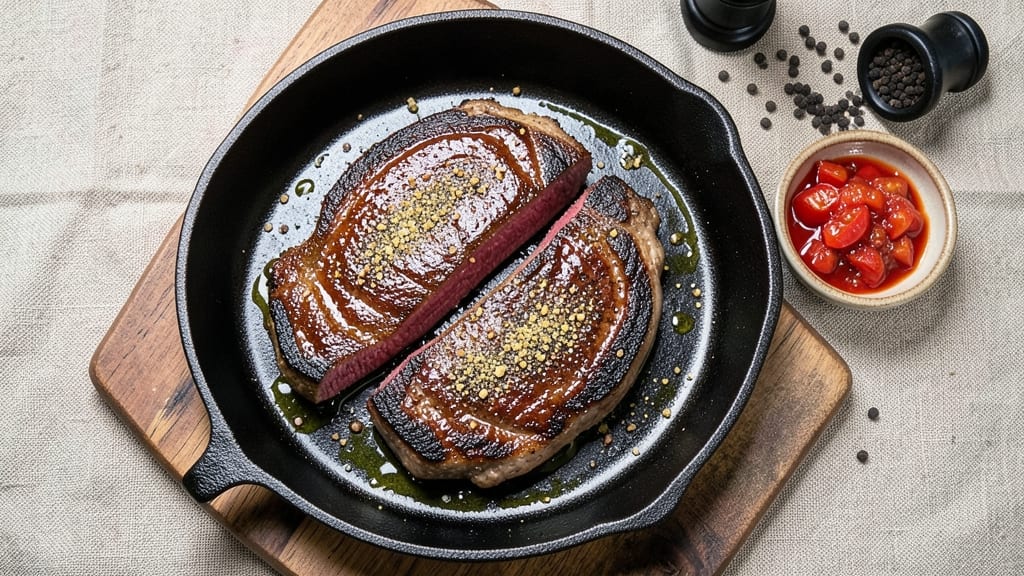
This bison strip loin steak recipe delivers restaurant-quality results with a smoky, intense flavor that sets it apart from beef—leaner, richer, and packed with iron.
After years of perfecting the technique, I’ve cracked the code for achieving a perfect sear while keeping the interior tender and juicy, even with bison’s lower fat content. The key lies in precise temperature control and a strategic approach to seasoning that enhances bison’s natural depth.
The process begins with a dry brine that locks in moisture and intensifies flavor, followed by a high-heat sear to create that coveted crust. Unlike beef, bison responds best to direct heat for a shorter duration—about 3 to 4 minutes per side for medium-rare—before resting to redistribute juices.
This method ensures every bite is tender yet bold, with a smoky aroma that fills your kitchen and leaves guests asking for seconds.
What makes this recipe truly special is how it transforms a leaner protein into a showstopping main course. The strip loin’s natural richness shines through when cooked properly, offering a deeper, earthier taste than beef.
Whether you’re grilling outdoors or searing in a cast-iron skillet, the result is a steak with a perfect balance of smoky char and buttery tenderness—ideal for a special dinner or weekend celebration.
Pair it with roasted root vegetables or a bold red wine reduction to complement the steak’s robust flavor profile. The technique is straightforward but yields professional-quality results, making it perfect for both seasoned cooks and those looking to elevate their grilling game.
Let’s get started on creating a steak that’s as impressive as it is delicious.
Ingredients for bison strip loin steak
Four ingredients make this bison strip loin steak taste like a high-end restaurant dish—just add fire and patience.
| Ingredient | Amount | Notes |
|---|---|---|
| Bison Strip Loin Steaks 🦬 | 2 lb | Center-cut, 1-inch thick slices |
| Kosher Salt 🧂 | 1 tbsp | Diamond Crystal preferred |
| Freshly Ground Black Pepper 🌶️ | 1 ½ tsp | Coarse grind for texture |
| Garlic Powder 🧄 | 1 tsp | Freshly toasted preferred |
| Smoked Paprika 🌶️ | ½ tsp | For smoky depth |
| Extra-Virgin Olive Oil 🫒 | 1 tbsp | High smoke point |
| Fresh Rosemary 🌿 | ¼ cup | Finely chopped sprigs |
| Fresh Thyme 🌿 | ¼ cup | Leaves only, stems removed |
| Yellow Onion 🧅 | 1 whole | Thinly sliced for garnish |
| Butter 🧈 | 4 oz | Unsalted, room temperature |
| Fresh Parsley 🌿 | ¼ cup | Chopped for garnish |
| Wooden Charcoal or Hardwood Chips 🔥 | 2 cups | Hickory or apple preferred |
Bison strip loin is leaner than beef, so marbling matters. Grab center-cut slices from Wild Fork Foods or your local butcher—they’ll have the best quality. Look for bright red color and visible fat streaks. If you can’t find bison, venison or elk steaks work in a pinch, but adjust cooking time. The steaks should be 1-inch thick—thinner slices dry out faster. Dry-brine overnight for maximum flavor penetration (trust me, it’s worth the wait).
No smoked paprika? Substitute with a mix of regular paprika and a pinch of liquid smoke. Fresh herbs wilt fast, so dried thyme at half the amount works if you’re short on time. The butter should be unsalted and room temperature—cold butter won’t melt properly on the steak. For the wood chips, hickory gives smoky depth, while apple adds sweetness. Soak them in water for 30 minutes before using. The olive oil? Use a high-smoke-point variety—none of that cheap grocery store stuff.
Steaks stay best 2-3 days in the fridge if dry-brined, but cook within 24 hours for peak tenderness. The wood chips can be reused once or twice—just store them dry in a sealed container. Leftover steaks reheat beautifully in a 350°F oven for 5-7 minutes with a splash of water. Garnish with fresh herbs right before serving—they add that restaurant-quality touch.
Why You'll Love This Recipe
- Five-Ingredient Magic: I swear by this combo—just salt, pepper, garlic powder, smoked paprika, and the steak itself. No fancy marinades or last-minute shopping runs. The bison’s natural richness shines through with zero fuss.
- Smoky Depth in Minutes: That smoked paprika? It’s the secret weapon. A quick rub before searing gives you a crust so flavorful, you’ll forget you didn’t spend hours prepping. Honestly, my kids ask for it even when I’m not trying to impress.
- Weeknight to Dinner Party: Same recipe, different vibes. Pan-seared for a quick Tuesday dinner or sliced thin for a charcuterie board that wows guests. Between us, I’ve used this to feed four or twelve—just adjust the grill time.
- Budget-Friendly Protein Power: Bison’s leaner than beef but packs serious flavor, so you’re getting more bang for your buck. Leftovers? Reheat slices in a skillet with butter and garlic for breakfast hash—yes, even on a Tuesday night.
Step-by-step instructions for smoky-grilled bison strip loin steaks
This method delivers restaurant-quality bison steaks with a perfect sear and smoky aroma every time.
Prepare the Bison Steaks with Herbed Rub
Pat the 2 lb bison strip loin steaks dry with paper towels—this is crucial for that perfect sear. In a small bowl, combine the 1 tbsp kosher salt, 1.5 tsp freshly ground black pepper, 1 tsp garlic powder, and 0.5 tsp smoked paprika. I like to toast the garlic powder lightly in a dry pan for 30 seconds first to deepen its flavor.
Rub this mixture all over the steaks, pressing it into the meat so it adheres well. Then, in a separate bowl, mix the 0.25 cup fresh rosemary and 0.25 cup fresh thyme with the 1 tbsp extra-virgin olive oil to create a fragrant paste. Spread this herbed oil evenly over the seasoned steaks. Let them sit at room temperature for 30 minutes while you prepare the grill.
Set Up the Smoky Grill
Fill your grill with the 2 cups wooden charcoal or hardwood chips and light them according to your grill's instructions. Once the charcoal is fully lit and covered with a thin layer of white ash, spread the coals evenly across the grill grates. Preheat the grill to medium-high heat—you should see a steady stream of blue smoke rising, which will infuse your steaks with incredible flavor.
I always clean the grates thoroughly with a grill brush before adding the steaks. This ensures a clean surface for that perfect sear. Let the grill preheat for 10-15 minutes while you prepare the butter basting mixture. In a small saucepan, melt the 4 oz butter over low heat and keep it warm for later.
Grill to Perfect Medium-Rare
Place the steaks on the preheated grill and close the lid. Sear for 4-5 minutes per side for medium-rare doneness, or until you see beautiful grill marks and the internal temperature reaches 130-135°F on a meat thermometer. I press down gently on the steaks during the first minute to prevent curling and ensure even contact with the grates.
About halfway through cooking, baste the steaks with the melted butter using a basting brush. This adds incredible richness and helps create that golden crust. Watch for the edges to turn golden brown while the center remains slightly cool to the touch—this is your signal they're ready. Don't flip too early; you'll know it's time when the steak releases easily from the grates.
Rest and Garnish for Maximum Flavor
Transfer the steaks to a cutting board and let them rest for 10-15 minutes. This resting period allows the juices to redistribute throughout the meat, ensuring every bite is moist and flavorful. While they rest, thinly slice the 1 whole yellow onion and chop the 0.25 cup fresh parsley for garnish.
When ready to serve, slice the steaks against the grain into ½-inch thick pieces. Arrange the sliced steaks on plates, drizzle with any remaining melted butter from the pan, and garnish with the sliced onions and chopped parsley. The aroma alone will make your guests' mouths water—this is where the magic happens!
Pro Tips For Making Bison Strip Loin Steak
- Preheat Like Your Crust Depends On It: Bison strip loin needs a screaming-hot pan—no half-measures. I used to rush this and end up with steaks that cooked unevenly. Crank that burner to max for 5 minutes with the pan uncovered, then wipe it dry with a paper towel. That crust? It’s non-negotiable.
- Salt the Night Before: Sounds weird, but it works: Pat the steaks dry, then season them with kosher salt 12–24 hours ahead. The salt penetrates deeper, and the meat stays juicier. I know, I know—you’ll forget. But trust me, the first bite makes it worth it.
- Skip the Overcrowding: One steak at a time, or risk steaming instead of searing. I learned this the hard way when I tried to cook two at once—ended up with sad, gray edges. Give each steak space; if you’re short on pans, work in batches. Patience here saves the dish.
- Sear Then Spice: Get that perfect crust first—2 minutes per side on high—before sprinkling garlic powder and smoked paprika. Dumping spices on raw meat just makes them stick like glue. After searing, let the pan cool just enough to handle, then toss those spices on while the steak rests. The flavor clings better.
Troubleshooting this recipe
Uneven Cooking Fix
Bison’s leaner nature means it cooks faster than beef, so uneven thickness leads to overcooked edges. Always trim excess fat and use a meat mallet to gently tap thicker edges to ¼-inch thickness.
For grill marks, place steaks at a 45-degree angle to the grates and press firmly for 20 seconds before moving. If using an indoor grill pan, preheat it for 5 minutes at medium-high heat to ensure even heat distribution. 🔥
Preventing Dry Steaks
Bison’s low fat content makes it prone to drying out if overcooked. Use a meat thermometer for precision—aim for 130-135°F internal temp for medium-rare. For extra moisture, brush the steaks with melted butter every 2 minutes during cooking.
If your steaks feel dry after resting, slice thinner (¼-inch) to spread the juices more evenly. A 10-minute rest is non-negotiable—skipping it causes juices to pool and leak out.
Smoke Control Issues
Too much smoke can overpower the steak’s natural flavor. Soak wood chips in water for 30 minutes before using to slow smoke production. If smoke is too intense, move steaks away from direct flames and place them on the cooler side of the grill.
For indoor cooking, use a smoke tube or place a metal bowl filled with water near the heat source to diffuse smoke. Hickory chips add bold smoke, while apple or cherry chips provide a sweeter, milder flavor.
Sticking to Grill Grates
Bison’s lean surface sticks more easily than beef. Oil the grates thoroughly with a high-smoke-point oil (like avocado or grapeseed oil) before adding steaks. For extra insurance, sprinkle coarse kosher salt on the grates and wipe with a paper towel—this creates a nonstick crust.
If steaks still stick, your grill isn’t hot enough. Increase heat to medium-high and let it sear for 1-2 minutes before flipping.
Overly Gamey Flavor
Bison’s natural earthiness can taste gamey if not balanced properly. Reduce the smoked paprika to ¼ tsp and increase garlic powder to 1.5 tsp to add sweetness. A pinch of brown sugar (½ tsp) in the rub helps too.
For stronger flavors, marinate the steaks in 2 tbsp olive oil, 1 tbsp soy sauce, and 1 tbsp honey for 1-2 hours before grilling. This sweet-savory marinade masks any gaminess while enhancing tenderness.
Temperature Fluctuations
Bison’s lower fat means it reacts faster to temperature changes. Use a two-zone fire on your grill—place steaks on the indirect side once seared to finish cooking gently. For indoor cooking, maintain a consistent 375°F in your oven.
If using a cast-iron skillet, preheat it for 5 minutes at medium-high heat before adding oil. A digital thermometer** is your best friend—bison hits doneness faster than beef, so monitor closely. 🌡️
Nutrition facts
Frequently asked questions
Why does bison strip loin cook faster than beef?
Bison is significantly leaner than beef, with less fat to insulate the meat during cooking. This means it reaches 130-135°F (medium-rare) in about 3-4 minutes per side—half the time of beef. Always use a meat thermometer to avoid overcooking, especially with thicker cuts. The lower fat also makes bison more prone to drying out if cooked too long.
Can I substitute beef for bison in this recipe?
While you can use beef, the flavor and texture will differ. Bison has a richer, slightly sweeter taste with more iron content. If substituting, increase cooking time by 1-2 minutes per side and reduce heat slightly to prevent overcooking. For the best results, stick with bison—its unique profile shines in this recipe.
How do I fix bison steak that’s overcooked?
If your steak is tough from overcooking, try slicing it thinner (¼-inch) to spread the juices more evenly. For extra moisture, place it in a 350°F oven for 5 minutes with a splash of beef broth or melted butter. A quick sear in a hot pan with garlic and butter can also mask dryness. Prevention is key—use a thermometer and avoid cooking past 140°F.
What’s the best way to store leftover bison steak?
Store cooked bison steak in an airtight container in the fridge for up to 3 days. For longer storage, freeze it for up to 3 months. Thaw overnight in the fridge and reheat in a skillet with butter or in the oven at 350°F for 5-7 minutes. Avoid reheating in the microwave—it makes the meat tough.
Can I make this recipe indoors without a grill?
Use a cast-iron skillet or grill pan preheated to medium-high heat for 5 minutes. Sear the steaks for 3-4 minutes per side and finish in a 400°F oven for 2-3 minutes to reach 130-135°F. For smoky flavor, add wood chips to a foil packet and place it on the skillet during cooking. The result will be just as delicious!