Breakfast & Brunch
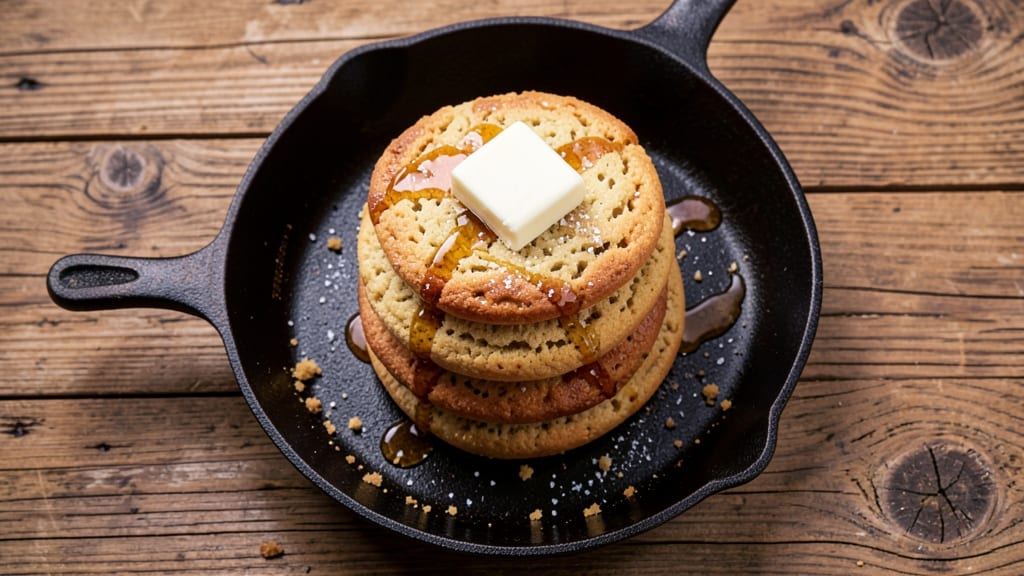
Bob's Red Mill 1-to-1 biscuit recipe delivers the same flaky layers and buttery crunch as traditional biscuits, but with a gluten-free twist that works every time. After testing countless substitutions, this blend consistently produces tender, pillowy layers with crisp edges—no crumbly texture or dense disappointment. The secret lies in precise dough handling and a high-fat ratio that mimics traditional biscuit science.
This recipe uses Bob's Red Mill 1-to-1 gluten-free flour blend, which replaces wheat flour without sacrificing texture when combined with cold butter and buttermilk. The dough rests briefly to relax the gluten substitute, ensuring even flakiness when cut.
For extra insurance, I recommend chilling the dough before shaping—this prevents overhandling and guarantees those signature layers. The result? Biscuits that hold their shape, crisp up beautifully, and melt in your mouth.
Baking at 450°F creates a golden crust while keeping the interior tender, and the high-fat content ensures that signature buttery flavor in every bite. Top with honey butter or sausage gravy for a breakfast that feels indulgent yet stays gluten-free.
The recipe serves 8 biscuits, perfect for a family brunch or weekend meal prep. With just 10 minutes of active prep time, you’ll have dinner on the table without sacrificing texture or taste.
For those with cross-contamination concerns, this recipe uses dedicated gluten-free tools and a clean workspace. The dough’s high-fat content also helps prevent crumbling, a common issue with gluten-free baking. Whether you’re serving a crowd or treating yourself, these biscuits prove gluten-free doesn’t mean giving up flaky perfection. Let’s get baking!
Ingredients for bob's red mill 1 to 1 biscuit
Gluten-free baking starts with the right blend and cold butter for flaky perfection.
| Ingredient | Amount | Notes |
|---|---|---|
| Bob's Red Mill 1-to-1 Gluten-Free Flour Blend 🌾 | 2 cups | Sifted for optimal texture |
| Unsalted Butter 🧈 | ¾ cup | Cold, cubed for flakiness |
| Buttermilk 🥛 | ¾ cup | Room temperature preferred |
| Diamond Crystal Kosher Salt 🧂 | 1 ½ tsp | Fine grain for even distribution |
| Baking Powder 🍞 | 1 tbsp | Aluminum-free for best rise |
| Xanthan Gum 🧪 | ¼ tsp | Ensures proper binding |
| Granulated Sugar 🍚 | 1 tbsp | Balances flavor subtly |
| Freshly Ground Black Pepper 🌶️ | ½ tsp | Enhances buttery flavor |
| Large Egg 🥚 | 1 whole | Room temperature for even baking |
The Bob's Red Mill 1-to-1 blend is non-negotiable—it's specifically formulated to replicate wheat flour's structure when combined with xanthan gum. Whole Foods and King Arthur Flour carry it, but check the baking aisle first. For the butter, Plugrá or Land O'Lakes unsalted work best, but any high-fat, cold butter will do. The key is keeping it cubed and chilled until the last moment—this creates those signature flaky layers. If your buttermilk smells sour, replace it with a mix of 1 tbsp vinegar + 1 cup milk left to sit for 5 minutes.
No buttermilk? Sour cream thinned with milk works in a pinch, though the flavor will differ slightly. Short on xanthan gum? 1/4 tsp guar gum substitutes 1:1, but test first—some gluten-free blends don't need it. The baking powder must be fresh; if it's more than 6 months old, toss it. For extra flakiness, grate the butter instead of cubing, but don't overmix the dough—gluten-free batters are delicate. Prefer a sweeter biscuit? Add 1 tbsp honey to the dough, but reduce the sugar by 0.5 tbsp to maintain balance.
Dough keeps for 24 hours wrapped in plastic in the fridge, but it's best used immediately for peak texture. For make-ahead prep, shape the biscuits, wrap in parchment, and freeze. Bake straight from frozen at 450°F for 2 extra minutes. Store baked biscuits in an airtight container for 3 days at room temperature or 1 month frozen. Reheat in a 350°F oven for 5 minutes to restore crispness—microwaving makes them rubbery.
Why You'll Love This Recipe
- Foolproof Mixing: I swear by this recipe because the Bob’s Red Mill blend does all the heavy lifting—no measuring cups, no guesswork. Just fold the cold butter into the flour, add buttermilk, and stir until it’s just combined. No overworking, no stress.
- Buttery, Crispy Magic: That first bite? Crispy golden edges with a tender, melt-in-your-mouth center—thanks to the kosher salt and baking powder working their magic. Honestly, it’s the kind of biscuit that makes you forget it’s gluten-free.
- Breakfast or Brunch Hero: Serve with jam and coffee in the morning or stack them high with fried chicken at dinner. I’ve even used them to soak up gravy at holiday meals. The buttermilk keeps them moist no matter the occasion.
- Leftovers? Never Wasted: They freeze like a dream—just wrap them in foil and reheat in a skillet for 2 minutes. I make a double batch on Sundays because these babies last all week, and nobody can resist them cold straight from the fridge.
Step-by-step instructions for bob's Red Mill 1-to-1 biscuit recipe
Here's how to achieve flaky, gluten-free biscuits with perfect texture using precise technique.
Prepare the Cold Butter and Dry Ingredients
Cut the 0.75 cup unsalted butter into small cubes and freeze for 10 minutes to ensure it remains cold. In a medium bowl, whisk together the 2 cups Bob's Red Mill 1-to-1 gluten-free flour blend, 1 tbsp baking powder, 1.5 tsp diamond crystal kosher salt, 0.25 tsp xanthan gum, 1 tbsp granulated sugar, and 0.5 tsp freshly ground black pepper. Sift the dry ingredients through a fine-mesh sieve directly into the bowl to eliminate any lumps—this ensures even distribution and optimal rise.
Cold butter is critical for flaky layers. If the butter softens prematurely, the biscuits will lose their signature texture. Keep the butter and dry ingredients separate until ready to combine.
Mix Wet Ingredients and Combine with Dry
In a separate small bowl, whisk together the 0.75 cup buttermilk and 1 whole large egg until fully combined. Gently fold the wet mixture into the dry ingredients using a silicone spatula, mixing just until the dough comes together. Avoid overmixing—stop as soon as the dough forms a shaggy mass. Overworking the dough develops gluten, which can make the biscuits tough.
Add the cold butter cubes to the dough and use your fingers to work them into the mixture until evenly distributed. The butter should coat the flour evenly without melting. If the dough feels too sticky, chill it for 10 minutes before proceeding. This step is where the flaky layers begin to form.
Shape and Chill the Dough
Turn the dough onto a lightly floured surface and gently pat it into a 1-inch thick rectangle. Fold the dough over itself like a book, pressing down lightly with your palm. Repeat this folding process two more times, rotating the dough 90 degrees each time. This technique, known as the "lamination method," creates thin layers of butter within the dough, which will melt and create steam during baking, producing flaky biscuits.
Wrap the shaped dough in plastic wrap and refrigerate for at least 30 minutes (up to 2 hours). Chilling firms up the butter, preventing it from spreading too much in the oven. This resting step is essential for maintaining structure and achieving the perfect texture.
Cut and Bake for Golden Perfection
Preheat your oven to 450°F and line a baking sheet with parchment paper. Remove the chilled dough from the refrigerator and cut it into 8 equal rectangles using a sharp knife or biscuit cutter. Place the biscuits on the prepared baking sheet, spacing them about 1 inch apart to allow for expansion.
Bake for 12-15 minutes until the biscuits are golden brown on top and the edges are set. You'll know they're done when they sound hollow when tapped on the bottom. Avoid overbaking—they should still be slightly soft in the center. Serve warm with honey, jam, or gravy for the ultimate experience.
Pro Tips For Making Bob'S Red Mill 1 To 1 Biscuit
- Chill the Dough: The Bob’s Red Mill blend gets gummy if you rush it—let the dough rest in the fridge for 15–20 minutes before shaping. Cold butter behaves better, and the gluten-free mix needs that pause to firm up. (Yes, even if you’re impatient like me.)
- Use Cold Butter Cubes: Cut that unsalted butter into ½-inch cubes and freeze them for 10 minutes first. Warm butter melts too fast, turning your biscuits dense instead of flaky. The cold pieces create steam pockets for that signature lift—don’t skip this, or you’ll end up with hockey pucks.
- Measure Buttermilk Precisely: Diamond Crystal kosher salt is half the volume of table salt, so if your recipe calls for ½ tsp salt, use it as written. Too much salt makes the buttermilk curdle faster, throwing off the texture. Weigh it if you’re unsure—your biscuits will thank you.
- Shape Fast, Bake Hot: Roll the dough to ½-inch thickness quickly—gluten-free mixes dry out fast. Preheat your oven to 450°F and use a cast-iron skillet (or baking sheet) straight from the oven. The high heat ensures a crisp bottom before the center sets. (I learned this the hard way after soggy, uneven batches.)
Troubleshooting perfect results
Dough Too Sticky?
If your dough feels overly sticky after mixing, resist the urge to add more flour—this disrupts the gluten-free balance. Instead, chill the dough for 10-15 minutes in the fridge. The cold temperature firms up the butter and tightens the gluten substitute, making it easier to handle.
I’ve found that Bob’s Red Mill 1-to-1 blend absorbs moisture differently than wheat flour, so trust the recipe’s measurements. If absolutely necessary, add just 1 tbsp extra flour, but no more. 🧈
Biscuits Spread Too Much?
Over-spreading usually means the butter melted too soon. To fix this, ensure your butter is cold and cubed before mixing, and don’t skip the 30-minute chill before cutting. If the dough feels too soft when shaping, return it to the fridge for another 10 minutes.
For extra insurance, use a biscuit cutter instead of a knife—it creates cleaner edges and prevents dough from sticking to the blade, which can cause uneven spreading. 🔥
Flat or Dense Texture?
Dense biscuits often result from overmixing or insufficient fat. First, verify your butter is cold and evenly distributed in the dough. If the dough feels dry, add 1 tbsp buttermilk to restore moisture. For flakiness, fold the dough 3 times as described, and avoid pressing down too hard during shaping.
If all else fails, reduce the oven temp to 425°F and bake for 1-2 extra minutes to encourage even rising. 💡
Cross-Contamination Risks
If you’re baking in a shared kitchen, use dedicated gluten-free tools, including a clean cutting board, rolling pin, and biscuit cutter. Wipe down surfaces with a damp cloth before and after use. For extra safety, shape the dough on parchment paper and transfer it directly to the baking sheet.
If you’re unsure about shared ingredients, opt for certified gluten-free baking powder and xanthan gum to minimize risks. 🧪
Baking Time Inconsistencies
Oven hot spots can cause uneven baking. Rotate your baking sheet halfway through baking (after 7-8 minutes) for even browning. If your biscuits brown too quickly but aren’t fully cooked inside, tent them loosely with foil for the last 2-3 minutes to trap steam.
For best results, use an oven thermometer to confirm your oven reads 450°F—many ovens run 25°F hotter or cooler than set. ⏰
Dry or Crumbly Biscuits?
This usually means the dough lacked sufficient fat or moisture. Double-check that your butter is cold and cubed, not melted. If the dough feels dry, add 1 tbsp buttermilk or sour cream to restore moisture.
For extra tenderness, brush the tops with melted butter after baking. If the issue persists, try replacing 1 tbsp of the gluten-free flour with cornstarch—it adds lightness without compromising structure. 💫
Nutrition facts
Frequently asked questions
Why does this recipe use xanthan gum?
The 0.25 tsp xanthan gum replaces gluten's binding properties in the Bob's Red Mill 1-to-1 blend. Without it, your biscuits might crumble or fall apart when cutting. Most gluten-free flour blends already include it, but adding a little extra ensures perfect structure and that signature biscuit hold.
Can I make these biscuits ahead of time?
Yes! Shape the biscuits, wrap them in parchment, and freeze for up to 1 month. Bake straight from frozen at 450°F for 14-16 minutes, adding 2 extra minutes. For freshness, reheat in a 350°F oven for 5 minutes—microwaving makes them rubbery.
What if I don’t have buttermilk?
Mix 1 tbsp vinegar or lemon juice with 1 cup milk, let sit for 5 minutes until slightly thickened. This mimics buttermilk's tangy acidity, which activates the baking powder for proper rise. For richer flavor, use sour cream thinned with milk (1:1 ratio).
How do I prevent cross-contamination in a shared kitchen?
Use dedicated gluten-free tools (cutting board, rolling pin, biscuit cutter) and clean all surfaces with a damp cloth before and after use. Shape dough on parchment paper to avoid contact with shared counters. For extra safety, bake these biscuits first to minimize residue risks.
Can I add cheese or herbs to these biscuits?
Fold in ½ cup shredded cheddar or 2 tbsp chopped chives with the dry ingredients, but reduce the flour by 2 tbsp to maintain texture. For extra flavor, brush baked biscuits with garlic butter or sprinkle with everything bagel seasoning.