
Main Courses
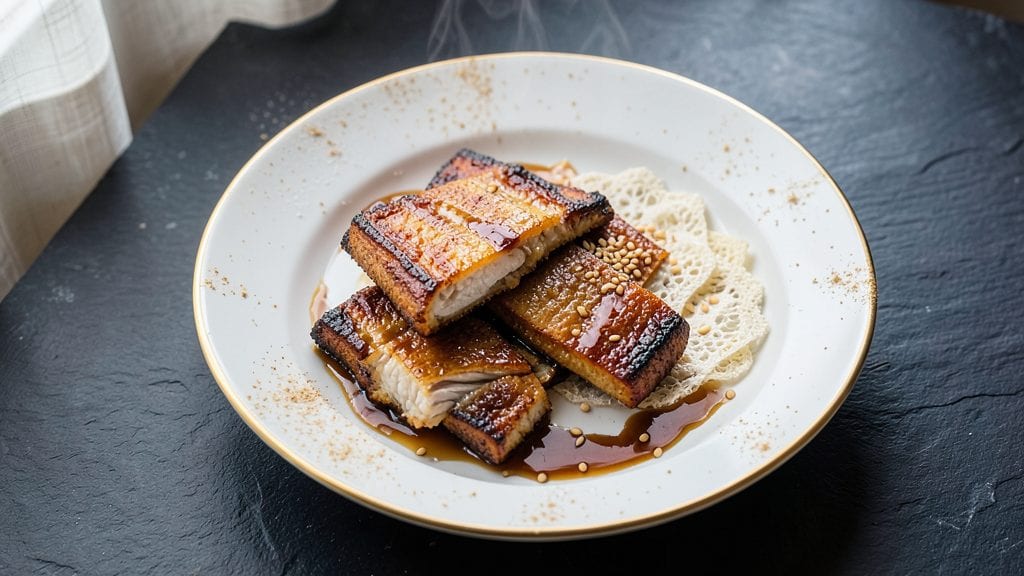
This Chinese fried fish fillet recipe delivers the perfect balance of crispy cornflour crust and juicy centers that restaurant versions can't match. The secret lies in a light cornstarch coating that creates that signature golden crunch while keeping the fish tender inside.
I've perfected this technique over years of testing, using simple ingredients and a precise frying method that works every time.
What sets this recipe apart is the marinade—just soy sauce, cornstarch, and a touch of baking soda—that transforms even simple white fish like cod or tilapia into something extraordinary. The cornflour crust isn't heavy like traditional batter; it's delicate yet sturdy enough to hold up during frying.
Whether you're pan-frying or using an air fryer for a lighter version, the key is maintaining the right oil temperature to achieve that perfect crisp.
By the time you plate this dish, you'll have golden-brown fish fillets with a crackling crust that gives way to flaky, moist flesh underneath. The aroma of frying fish fills the kitchen, and the first bite delivers that satisfying contrast of textures—crispy outside, tender inside.
This is the kind of recipe that turns weeknight dinners into special occasions without requiring hours of prep.
Serve with steamed vegetables, a simple cucumber salad, or your favorite Chinese dipping sauce. The technique works equally well for cod, tilapia, or even mackerel, making it versatile enough for any seafood lover. Let's get started on creating your restaurant-quality fried fish at home.
Ingredients for chinese fried fish fillet
Simple ingredients transform into restaurant-quality fried fish with perfect crispy crust and juicy centers.
| Ingredient | Amount | Notes |
|---|---|---|
| White Fish Fillets 🐟 | 1 ½ lb | Cod, tilapia, or mackerel preferred |
| Cornflour 🌾 | ½ cup | Fine texture for delicate coating |
| All-Purpose Flour 🌾 | ¼ cup | For structural stability |
| Light Soy Sauce 🥄 | ¼ cup | Kikkoman preferred for balance |
| Baking Soda 🧪 | ½ tsp | Tenderizes fish fillets |
| Vegetable Oil 🫒 | 2 cups | High smoke point required |
| Cornstarch 🌾 | ¼ cup | Marinade component |
| Salt 🧂 | 1 tsp | Diamond Crystal preferred |
| Black Pepper 🌶️ | ½ tsp | Freshly ground for aroma |
| Ice Water 💧 | ½ cup | For crisp coating adherence |
| Lemon Wedges 🍋 | 2 whole | For serving garnish |
| Fresh Cilantro 🌿 | ¼ cup | Chopped for garnish |
The foundation starts with high-quality white fish fillets—look for cod or tilapia with even thickness around 1/2-inch for consistent cooking. Whole Foods Market or Trader Joe's typically carry sustainably sourced options. For the cornflour, Bob's Red Mill brand yields the finest texture, crucial for that delicate yet sturdy crust. The baking soda is non-negotiable; it tenderizes the fish while the cornstarch in the marinade creates that signature crisp. Kikkoman soy sauce provides the perfect balance of saltiness without overpowering the delicate fish flavor.
No cornflour? Substitute arrowroot powder at the same ratio, though texture may vary slightly. For the soy sauce, low-sodium versions work well if you prefer less salt. The baking soda can be omitted entirely if you're using extremely fresh fish, but expect slightly firmer texture. For the oil, vegetable or canola oil works best due to their high smoke points—avoid olive oil which burns at lower temperatures. The ice water is essential for creating that crackling crust; don't skip it even if you're in a hurry. Fresh herbs like cilantro can be swapped for green onions if unavailable.
Store any unused cornflour or cornstarch in airtight containers for up to 6 months in a cool, dark place. The baking soda should be kept in its original container with the lid tightly sealed. For the fish, if you're not using it immediately, store the fillets in the coldest part of your fridge on a plate (not stacked) for up to 2 days. The fried fish itself keeps for 2 days in the fridge, though it's best served immediately for optimal texture. Reheat gently in the oven at 300°F for 5-7 minutes to restore crispiness.
Why You'll Love This Recipe
- One-Pan Wonder: I swear by this for lazy nights—just pat the fish dry, toss it in the flour-cornstarch mix with a pinch of baking soda, and fry it in the same pan you marinated it in. No extra bowls, no mess.
- Crispy-Creamy Magic: That light soy sauce marinade? It’s the secret weapon—salty, umami-packed, and it keeps the fillets juicy while the cornflour gives you that perfect crunch. (Yes, even on a Tuesday night.)
- Lunchbox Hero: Between us, this reheats like a dream—crispy again in the air fryer or just straight from the fridge. Pack it for work or school; it’s the one meal my kids actually take without complaining.
- Budget Crunch Saver: White fish is cheap, and this recipe stretches it far—double the batch, freeze half, and you’ve got a month’s worth of quick dinners. No sad leftovers here, just crispy seconds.
Step-by-step instructions for Chinese fried fish fillet
A delicate balance of technique ensures your fish emerges with a shatteringly crisp cornflour crust while remaining tender inside.
Prepare the Marinade and Tenderize the Fish
In a medium bowl, whisk together the 0.25 cup cornstarch, 0.25 cup light soy sauce, 0.5 tsp baking soda, 1 tsp salt, and 0.5 tsp black pepper until fully dissolved. The baking soda acts as a natural tenderizer, breaking down the fish proteins for a more delicate texture. Add the 0.5 cup ice water and stir until smooth—a thin, pourable consistency is ideal.
Pat the 1.5 lb white fish fillets completely dry with paper towels. Place them in a shallow dish and pour the marinade evenly over both sides. Let them marinate for 15 minutes at room temperature—this ensures even flavor penetration and prevents the fish from curling during frying. Do not exceed 15 minutes or the fish may become mushy.
Create the Cornflour Coating
In a separate shallow dish, combine the 0.5 cup cornflour and 0.25 cup all-purpose flour. The cornflour provides the signature crispy texture while the all-purpose flour adds structural integrity. Using your hands, gently toss each marinated fillet in the flour mixture, pressing lightly to adhere the coating evenly. The coating should be uniform but not so thick it prevents crisping.
Place the coated fillets on a wire rack set over a baking sheet. Allow them to rest for 5 minutes—this step is critical for the coating to adhere properly before frying. If you rush this, the coating may fall off during cooking, leaving you with uneven texture.
Fry to Golden Perfection
Heat the 2 cups vegetable oil in a deep skillet or Dutch oven to 350°F. Use a deep-fry thermometer to monitor the temperature—this is the sweet spot for achieving crispy exteriors without overcooking the delicate fish inside. Once the oil reaches temperature, carefully add the coated fillets in a single layer, being careful not to overcrowd the pan.
Fry for 3 to 4 minutes per side, or until the coating is deep golden brown and the fish flakes easily with a fork. The fish should register an internal temperature of 145°F when checked with an instant-read thermometer. Remove the fillets with a slotted spoon and drain on a wire rack lined with paper towels. This prevents the coating from becoming soggy from residual oil.
Rest and Serve
Let the fried fish rest for 2 minutes before serving. This brief rest allows the juices to redistribute, ensuring each bite remains moist and flavorful. Garnish each fillet with a lemon wedge and sprinkle with the 0.25 cup chopped fresh cilantro for brightness and aroma.
Serve immediately with a side of steamed jasmine rice or a simple cucumber salad to complement the crispy, savory fish. The contrast of textures and temperatures—crispy exterior, juicy interior, and cool garnishes—creates a harmonious dining experience that captures the essence of Chinese fried fish.
Pro Tips For Making Chinese Fried Fish Fillet
- PAT THE FILLETS DRY: I learned this the hard way—wet fish absorbs less flour and steams instead of frying. Use paper towels to blot every surface until they’re almost bone dry, then let them sit uncovered for 10 minutes. (Yes, even if you’re impatient like me.)
- MIX FLOURS LAST MINUTE: Combine cornflour and all-purpose flour just before coating—the cornflour loses its crispiness if left sitting. Toss in baking soda (½ tsp per cup of flour) and soy sauce (1 tbsp) right before dredging. This keeps the crust light and flavorful.
- FRIED IN BATCHES: Crowding the pan drops the oil temperature and makes fish greasy. Fry in single layers with at least 2 inches between fillets—your oil will stay hot, and the crust will stay golden, not soggy. (I know, it takes longer, but it’s worth it.)
- REST BEFORE FLIPPING: Don’t rush the first side—let the fillets fry undisturbed for 2-3 minutes until edges lift easily. Then flip once, not twice, and cook another 1-2 minutes. Skipping this step means uneven cooking and a broken crust. (Your future self will thank you.)
Serving suggestions for this recipe
Classic Chinese Sides
Start with steamed jasmine rice—its mild, slightly floral aroma complements the fish without competing. I serve it in a banquet-style bowl with a drizzle of light soy sauce and a sprinkle of toasted sesame seeds for extra texture.
For a heartier option, try stir-fried bok choy with garlic and oyster sauce—its crisp-tender texture contrasts beautifully with the fried fish. 🥢
Refreshing Garnishes
Brighten your plate with quick-pickled cucumbers—slice thin rounds of cucumber, toss with 1 tbsp rice vinegar, ½ tsp sugar, and a pinch of salt, then let sit for 10 minutes.
The tangy crunch cuts through the richness of the fried fish. I also serve sliced mango for a tropical twist, especially in summer—its sweetness balances the savory soy notes. 🍉
Sauce Pairings
Serve with plum sauce for a sweet-tangy contrast—I love Kikkoman's version, which pairs perfectly with the crispy crust. For heat lovers, offer Sichuan chili oil on the side—just 1 tsp adds fiery depth.
A simple soy-vinegar dip (mix 2 tbsp soy sauce, 1 tbsp rice vinegar, and ½ tsp sugar) works too. 🍶
Vegetable Sides
Roasted Chinese broccoli (gai lan) with garlic and chili flakes adds color and crunch. Toss chopped stems and florets with 1 tbsp oil, 1 minced garlic clove, and ½ tsp chili flakes, then roast at 400°F for 12 minutes.
For a lighter option, serve cold sesame noodles—toss cooked udon noodles with 1 tbsp sesame oil, 1 tbsp soy sauce, and 1 tsp toasted sesame seeds. 🥦
Dessert Finale
End the meal with lychee jelly—its floral sweetness cleanses the palate. I buy pre-made versions from Asian markets or make a quick version by simmering 1 cup lychee juice with 2 tbsp sugar and 1 tsp agar powder.
For a simpler option, serve mango sorbet with toasted coconut flakes. 🍧
Nutrition facts
Frequently asked questions
What type of fish works best for this Chinese fried fish recipe?
White fish with medium firmness works best—cod, tilapia, or mackerel are ideal choices. Look for fillets that are 1/2-inch thick and free from bones. The fish should be fresh, with a clean ocean aroma and firm texture when pressed. If using frozen fish, thaw it completely in the fridge overnight before cooking.
Why does the cornflour coating fall off during frying?
This usually happens when the fish isn't properly dried before marinating or the coating isn't adhered long enough. Always pat fillets completely dry with paper towels and let them rest on a wire rack for 5 minutes after coating. Also, ensure your oil is at 350°F—too low a temperature causes soggy coatings.
Can I use an air fryer instead of deep-frying?
Yes! Preheat the air fryer to 375°F and spray the basket with oil. Arrange fillets in a single layer and cook for 8-10 minutes, flipping halfway. The result will be slightly less crispy but still delicious. For extra crunch, lightly brush the coated fillets with oil before air frying.
How do I store leftover fried fish?
Store in an airtight container in the fridge for up to 2 days. To reheat, place on a baking sheet and warm in a 300°F oven for 5-7 minutes to restore crispiness. Avoid microwaving as it makes the coating soggy. For longer storage, freeze for up to 1 month—thaw overnight in the fridge before reheating.
What's the secret to keeping the fish moist?
The baking soda in the marinade tenderizes the fish, while the 15-minute marinade at room temperature ensures even cooking. Never overcook—fish should reach 145°F internal temp and flake easily with a fork. Also, draining on a wire rack (not paper towels) prevents steam buildup that makes coatings soggy.