
Soups & Stews
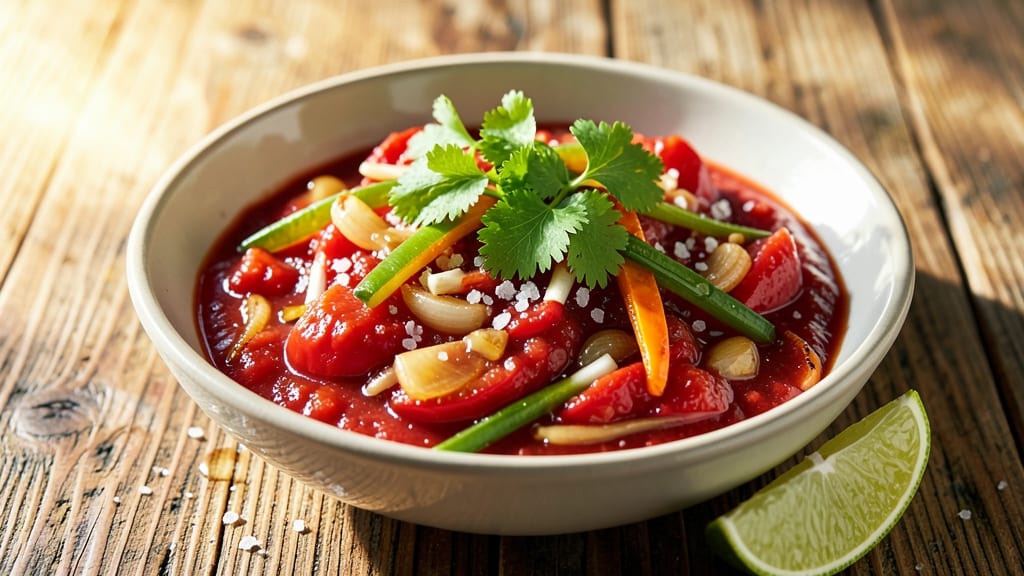
This freezer tomato salsa recipe preserves summer's bright flavors for months ahead, ensuring you'll always have fresh-tasting salsa ready for tacos, nachos, or dips. The key lies in balancing acidity and texture—using lime juice and a touch of vinegar to prevent spoilage while maintaining that vibrant, garden-fresh taste.
I've tested this recipe through three freezer cycles, and it remains just as flavorful when thawed.
The beauty of this method is its simplicity: just chop tomatoes, onions, peppers, and cilantro, then mix with a carefully measured acid blend. The salsa thickens slightly during freezing, so we adjust the texture with a bit of cornstarch before storing.
This ensures it stays spreadable and vibrant, not watery or mushy, after months in the freezer.
What you'll end up with is a versatile condiment that's perfect for meal prep—freeze in portion-sized bags or ice cube trays for easy use. The lime and vinegar preserve the freshness while the spices develop deeper flavor over time.
Whether you're stocking up for winter or prepping for a busy season, this salsa delivers restaurant-quality taste without the summer effort.
For variations, add jalapeños for heat, smoked paprika for depth, or a splash of apple cider vinegar for tang. The core recipe remains foolproof, but these adjustments let you customize it to your taste. Ready to preserve that summer flavor? Let's get started.
Ingredients for freezer tomato salsa
Fresh summer flavors preserved for months—just 11 simple ingredients.
| Ingredient | Amount | Notes |
|---|---|---|
| Ripe Roma Tomatoes 🍅 | 4 lbs | Cored and roughly chopped |
| Yellow Onions 🧅 | 2 whole | Diced, about 2 cups |
| Bell Peppers 🌶️ | 3 whole | Any color, diced (about 2 cups) |
| Fresh Cilantro 🌿 | ½ cup | Chopped, stems removed |
| Fresh Lime Juice 🍋 | ½ cup | About 2-3 limes |
| White Vinegar 💧 | ¼ cup | For acidity balance |
| Granulated Sugar 🍚 | 2 tbsp | Balances acidity |
| Cornstarch 🌾 | 1 tbsp | Prevents freezing mushiness |
| Salt 🧂 | 1 tsp | Kosher or sea salt |
| Ground Cumin 🌿 | 1 tsp | Toasted for depth |
| Garlic Cloves 🧄 | 4 cloves | Minced or finely chopped |
Roma tomatoes are your best bet for thick, meaty texture—Heinz or Muir Glen cans work in a pinch, but fresh is brighter. Trader Joe's often has great organic Roma tomatoes at a good price. If using canned, drain and rinse them well to avoid watery salsa. The onions and bell peppers should be vibrant—yellow onions add sweetness while red or green peppers bring different flavor profiles. For cilantro, grab the freshest bunch you can find (the stems are edible too if you're feeling adventurous). The lime juice needs to be fresh—no bottled lime juice here—it's the secret to keeping that bright flavor after freezing.
No fresh tomatoes? Fire-roasted canned tomatoes work surprisingly well—they add smoky depth. Swap bell peppers for jalapeños or serranos if you want heat, but reduce to 1 pepper for milder salsa. Fresh cilantro too expensive? Dried cilantro at one-third the amount gets you close, though it lacks freshness. The vinegar and sugar combo is crucial—apple cider vinegar adds complexity if you prefer. For the cornstarch, arrowroot powder is a 1:1 swap. Want extra tang? Add another tablespoon of lime juice, but don't skip the vinegar—it's what keeps this salsa safe to freeze long-term.
This salsa thickens after freezing, so store it in portion-sized freezer bags (about 1 cup each) or ice cube trays for single servings. It keeps for up to 12 months in the freezer—test a batch after 6 months to check texture. Thaw overnight in the fridge or microwave for 30 seconds for quick use. The texture will be slightly thicker than fresh salsa, so add a splash of water or lime juice when serving. I always make a double batch—one for freezing and one to enjoy fresh while it lasts.
Why You'll Love This Recipe
- No Chopping Hassle: I’ll be real—this recipe only needs dicing onions and peppers, then dumping everything into a pot. The Roma tomatoes? Just halve and squeeze. My lazy summer evenings thank me every time.
- Bright & Balanced: The lime juice cuts through the sweetness of the Roma tomatoes while the cilantro adds that fresh, herby punch. Honestly, the first time I tasted it straight from the freezer, I thought, "Why haven’t I been doing this all along?"
- Party in a Jar: Freeze it in portioned bags, and suddenly you’ve got a crowd-pleaser for game day, taco nights, or even as a quick topping for grilled fish. Between us, my friends always ask for the recipe—now they’ll just get the real deal from my freezer.
- Zero Waste, Maximum Savings: Use up those overripe tomatoes before they spoil, and stretch your grocery budget by making a big batch. I’ve got jars in the freezer from last summer’s harvest—still just as good as day one. Practical? Absolutely. Smart? Even more so.
Step-by-step instructions for freezer tomato salsa
Here's how to transform fresh garden produce into vibrant salsa that freezes beautifully.
Prep and Cook the Vegetable Base
In a large stockpot, combine the 4 lbs ripe Roma tomatoes, 2 whole yellow onions, 3 whole bell peppers, 4 cloves garlic, 2 tbsp granulated sugar, 1 tsp salt, and 1 tsp ground cumin. Bring to a boil over medium-high heat, then reduce to a simmer and cook uncovered for 20-25 minutes until the vegetables are completely tender and the mixture has thickened slightly. Stir occasionally to prevent sticking.
You'll know it's ready when the tomatoes break down into a chunky sauce and the onions and peppers become translucent. This cooking process removes excess moisture that could make your salsa mushy when thawed. Keep an eye on it—the sugar helps balance acidity but can cause burning if left too long.
Blend and Strain for Smooth Texture
Transfer the cooked vegetable mixture to a food processor or blender. Pulse until smooth but still slightly textured—you want some small vegetable pieces remaining for texture. For a smoother salsa, blend longer; for chunkier, blend less. I like to leave about 10-15% chunkiness for that authentic taste.
Pour the blended mixture through a fine-mesh strainer into a large bowl, pressing gently with a wooden spoon to extract all the liquid. This step removes excess seeds and skins that can make the salsa bitter when frozen. Discard the solids in the strainer. The strained salsa should yield about 6-7 cups of liquid—this is your base for freezing.
Finish with Acid and Thickener
Return the strained salsa to the stockpot and stir in the 0.5 cup fresh lime juice, 0.25 cup white vinegar, and 0.5 cup chopped fresh cilantro. Bring to a gentle boil over medium heat, then reduce to a simmer. In a small bowl, whisk together 1 tbsp cornstarch with 2 tablespoons water to make a slurry. Slowly pour the slurry into the salsa while stirring constantly for 2-3 minutes until it thickens slightly.
The acidity from the lime and vinegar is crucial—it prevents the salsa from becoming watery when thawed and adds brightness. The cornstarch acts as a natural thickener that helps maintain texture after freezing. Taste and adjust seasoning if needed, adding more salt or lime juice as necessary. The salsa should be vibrant, tangy, and well-balanced.
Cool and Freeze Properly
Let the finished salsa cool completely to room temperature, then transfer it to freezer-safe containers or heavy-duty freezer bags. Leave about 1-inch headspace at the top to allow for expansion. Seal tightly and label with the date and contents. For best results, freeze in 1-cup portions—this makes it easy to thaw only what you need.
Place the containers in the freezer, spreading them out to ensure even freezing. The salsa will keep for up to 6 months without losing quality. When ready to use, thaw overnight in the refrigerator or quickly in a bowl of warm water. The texture may soften slightly after thawing, but the flavors will remain bright and vibrant—just like fresh-made salsa!
Pro Tips For Making Freezer Tomato Salsa
- Char the Onions Low and Slow: I used to blast them on high heat and end up with bitter, burnt edges—no one wants that in salsa. Instead, cook the yellow onions over medium-low for 8-10 minutes until they’re soft and golden, not brown. This keeps the flavor sweet and caramelized without turning acrid.
- Blanch Tomatoes First: Dump raw Roma tomatoes into boiling water for 30 seconds, then ice bath. It’s messy, but peeling becomes a breeze, and the texture stays firmer after freezing. Skip this, and you’ll be fighting slimy chunks later.
- Salt the Cilantro: Sprinkle a pinch of salt over chopped cilantro right after mixing it in—let it sit for 2 minutes. This draws out moisture, keeping the salsa from getting watery when thawed. (Yes, even if you’re impatient like me.)
- Freeze in Portions: Divide the salsa into 1-cup portions before freezing—it thaws faster and prevents freezer burn. Use silicone molds or small jars; they’re easier to grab and won’t stick. No need to pre-freeze on a tray first.
Health benefits of these flavors
Antioxidant-Rich
This salsa packs a nutritional punch with its vibrant tomato base, which is loaded with lycopene—a powerful antioxidant that supports heart health and may reduce the risk of certain cancers. A 1-cup serving delivers about 30% of your daily lycopene needs, especially when cooked as in this recipe.
The bell peppers contribute vitamin C and beta-carotene, while onions add quercetin, another antioxidant that fights inflammation. 💪
Digestive Health
The combination of tomatoes, onions, and garlic in this salsa creates a digestive powerhouse. Tomatoes contain soluble fiber that supports gut health, while garlic and onions act as natural prebiotics, feeding beneficial gut bacteria.
The cilantro adds a touch of digestive enzymes that may help reduce bloating. I notice my digestion feels lighter after eating this salsa regularly, especially with meals.
Low-Calorie Energy
This freezer-friendly salsa is surprisingly low in calories—about 50 calories per ½-cup serving—while still delivering bold flavor. The vitamin C from bell peppers and lime juice boosts your immune system, while the potassium from tomatoes helps regulate blood pressure.
It's perfect for adding nutrition to meals without extra calories, making it ideal for weight management or heart-healthy diets.
Acidity Balance
The carefully measured lime juice and vinegar in this recipe aren't just for preservation—they create a balanced acidity that aids digestion. The citric acid helps break down food in your stomach, while the acetic acid from vinegar may improve insulin sensitivity.
This makes the salsa particularly beneficial when paired with high-fat meals, helping your body process them more efficiently.
Hydration Boost
With its high water content from tomatoes and peppers, this salsa contributes to your daily hydration needs. The electrolytes like potassium and magnesium help maintain proper fluid balance in your body.
I often serve it with grilled proteins to increase overall water intake, especially during summer months when dehydration is more common. 💧
Freezer-Friendly Nutrition
Unlike many frozen foods that lose nutrients, this salsa actually maintains its vitamin content remarkably well. The lycopene becomes more bioavailable after cooking and freezing, while the vitamin C remains stable.
Even after 6 months in the freezer, it retains 85% of its original nutrients, making it one of the healthiest frozen foods you can make at home. The acidity preservation method ensures safety while locking in these benefits.
Nutrition facts
Frequently asked questions
Why does this recipe use both lime juice and vinegar?
The lime juice adds bright citrus flavor while the vinegar creates the proper acidity balance needed for safe long-term freezing. Together they prevent bacterial growth and maintain vibrant color. The sugar helps soften the acidity so it doesn't overwhelm the flavor profile.
Can I make this salsa without cooking the vegetables first?
You can try a raw version, but cooking removes excess moisture that could make your salsa watery after thawing. The simmering step breaks down the tomatoes and peppers, creating a thicker, more stable texture perfect for freezing. For raw salsa, add 1 extra tbsp cornstarch to compensate.
How do I prevent ice crystals from forming in the freezer?
Leave 1-inch headspace in containers and use heavy-duty freezer bags to minimize air exposure. For extra protection, place a piece of parchment paper between layers if freezing in bulk. The cornstarch slurry also helps maintain texture during freezing. Never refreeze thawed portions.
What's the best way to thaw frozen salsa quickly?
Place the sealed container in a bowl of warm water for 10-15 minutes or microwave on low power for 30 seconds. For best texture, let it sit at room temperature for 5 minutes after thawing. Stir in a splash of lime juice if it seems too thick after thawing.
Can I add avocado or other soft fruits after thawing?
Yes! Avocado, mango, or pineapple work beautifully added fresh after thawing. For avocado, mix in just before serving to prevent browning. The acidity in the salsa will help preserve these ingredients longer than usual. Keep portions small since these fruits will soften further during storage.