
Breakfast & Brunch
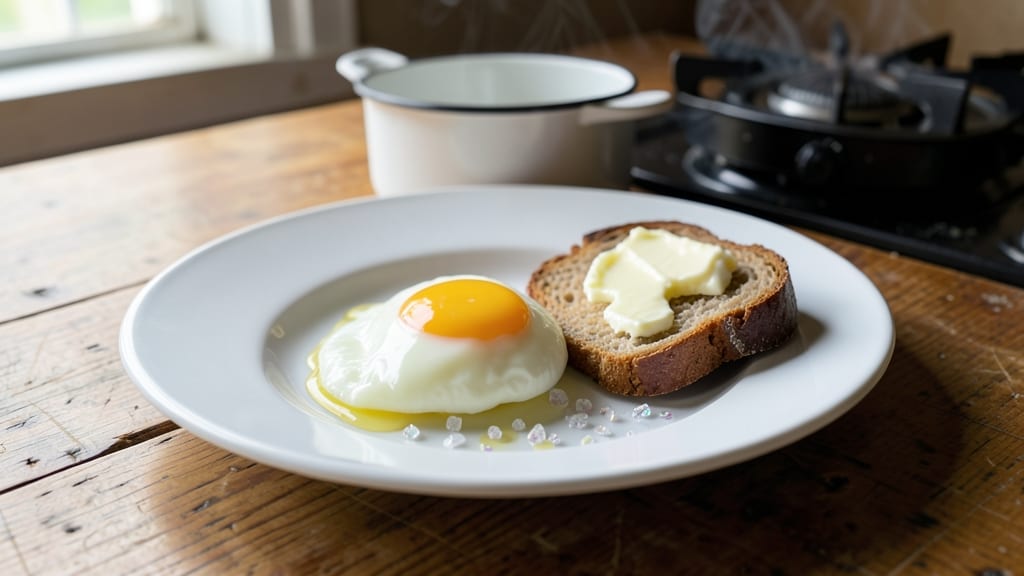
Jamie Oliver’s poached egg recipe transforms a simple breakfast into a restaurant-worthy dish with its perfectly balanced runny yolk and tender whites. The secret lies in precise water temperature, a splash of vinegar, and timing that ensures the whites set while the yolk stays molten.
I’ve tested countless methods, and this one consistently delivers eggs that slide onto toast like liquid gold—no more rubbery edges or overcooked yolks.
What sets this technique apart is Jamie’s focus on simplicity without sacrificing quality. You’ll need just a few ingredients—eggs, vinegar, and water—but the method requires attention to detail, like maintaining a gentle simmer and using room-temperature eggs for even cooking.
The result? Eggs with a delicate, cloud-like texture that clings beautifully to buttery toast or crispy soldiers.
By the time you plate these eggs, you’ll have a dish that looks as impressive as it tastes—bright yellow yolks nestled in perfectly formed whites, ready to be topped with fresh herbs, flaky salt, or a drizzle of hot sauce.
This isn’t just breakfast; it’s a skill that elevates any morning routine. Let’s get started on mastering the technique.
The best part? This method works for more than just toast. Use these eggs in salads, grain bowls, or even as a garnish for soups. Once you’ve nailed the basics, you can experiment with variations like adding smoked paprika or chili flakes to the poaching water for extra depth.
Every detail matters, but the payoff is worth it.
Ingredients for jamie oliver poached egg
Four eggs, two tablespoons butter, and a splash of vinegar create Jamie Oliver's perfect poached eggs.
| Ingredient | Amount | Notes |
|---|---|---|
| Large Eggs 🥚 | 4 whole | Room temperature for even cooking |
| White Vinegar 🍋 | ¼ cup | Distilled preferred for clarity |
| Water 💧 | 4 cups | Filtered for best results |
| Unsalted Butter 🧈 | 2 tbsp | European-style preferred |
| Sourdough Bread 🍞 | 4 slices | Crust removed for even toasting |
| Flaky Sea Salt 🧂 | ½ tsp | Maldon preferred for texture |
| Freshly Ground Black Pepper 🌶️ | ¼ tsp | Freshly cracked for aroma |
| Fresh Chives 🌿 | 2 tbsp | Finely chopped for garnish |
| Smoked Paprika 🌶️ | ¼ tsp | Optional for poaching water |
| Chili Flakes 🔥 | ⅛ tsp | Optional for poaching water |
The eggs are the star—room temperature is critical for even cooking. Pasture-raised eggs from Crowd Company or local farms have richer yolks, but any large eggs work. The vinegar matters too; distilled white vinegar keeps the water clear, while apple cider vinegar adds subtle sweetness. For the water, filtered or spring water prevents cloudiness—tap water with high mineral content can leave residue. If you're experimenting with the smoked paprika or chili flakes, add them to the poaching water for a subtle depth of flavor.
No white vinegar? Apple cider vinegar or lemon juice works in a pinch, though the flavor profile shifts slightly. Running out of sourdough? Brioche or crusty baguette both work beautifully—the key is a slice that can hold the egg without getting soggy. Maldon salt is ideal for its flaky texture, but any flaky sea salt will do. The chives should be fresh; dried won’t have the same brightness. For the butter, European-style melts more cleanly, but don’t stress if you only have regular unsalted. The real secret is letting the butter melt gently over low heat before adding the toast.
Store eggs in their carton in the coldest part of your fridge for up to 3 weeks. Let them sit at room temperature for 20-30 minutes before poaching for perfect results. The poaching water can be reused once or twice before it loses its clarity—strain and refresh with vinegar if needed. Leftover toast? Wrap it tightly in foil and freeze for up to 3 months. Toast straight from the freezer works perfectly for this dish.
Why You'll Love This Recipe
- No-Fuss Technique: I’ll admit, I was skeptical about poaching eggs until I tried Jamie’s method—just a splash of vinegar in water, a gentle swirl, and boom. No fancy gadgets, no broken yolks. Even my toddler could help (with supervision, obviously).
- Butter-Soft Magic: That runny yolk? The way it clings to the buttery sourdough like a hug? Honestly, it’s the little things—the vinegar keeps the whites tight while the butter makes the bread sing. It’s not fancy, but it’s ridiculously good.
- Breakfast or Brunch: Make it for lazy Sunday mornings or a quick work lunch—same effort, different vibes. Toast the sourdough, add a fried egg, and suddenly you’ve got a meal that feels special without the stress.
- Pantry Staple Power: Five ingredients, zero excuses. You’re already using eggs and bread, so this costs next to nothing. Leftovers? Just reheat the toast and poach fresh eggs—no sad, rubbery yolks here.
Step-by-step instructions for Jamie Oliver's poached egg recipe
Master the perfect poached egg with this foolproof method—runny yolks every time.
Prepare the Poaching Liquid
Combine the 4 cups water with the 0.25 cup white vinegar in a deep skillet or saucepan. I use a wide, shallow pan so the eggs have plenty of room to poach without crowding. Place over medium heat and bring to a gentle simmer—you're looking for small bubbles breaking the surface, not a rolling boil.
If you're using the optional smoked paprika and chili flakes, sprinkle them into the water now. This infuses subtle depth into the poaching liquid, enhancing the eggs' flavor without overpowering them. Let the mixture simmer for 2 minutes to allow the spices to bloom and distribute evenly. The vinegar helps coagulate the egg whites more cleanly, which is key for that perfect shape.
Toast the Sourdough Bread
While the poaching liquid heats, remove the crusts from the 4 slices sourdough bread. I use a sharp serrated knife to slice off the edges cleanly, leaving you with even, flat surfaces for toasting. Place the bread slices in a dry skillet over medium heat and toast for 2-3 minutes per side until golden brown and crisp.
Don't walk away—watch for the edges to start curling slightly. This indicates they're ready. Immediately transfer the toasted bread to a plate and keep it warm. The residual heat will help maintain crispness while you finish the eggs. Season the toast lightly with the 0.5 teaspoon flaky sea salt and 0.25 teaspoon freshly ground black pepper right after toasting so the seasoning adheres to the warm bread.
Poach the Eggs to Perfection
Crack each of the 4 whole large eggs into a small bowl or ramekin. This prevents any shell fragments from falling into your poaching water. Using a spoon, gently swirl the water in the pan to create a vortex. Place the bowl at the edge of the pan and let the moving water pull the egg into the center. This technique helps create a neat, round shape.
Poach each egg for 3-4 minutes, depending on your preference. For a fully set white with a runny yolk, aim for 3 minutes. If you prefer slightly firmer whites, go for 4 minutes. The water should remain at a gentle simmer throughout—if it starts to boil vigorously, reduce the heat slightly. Use a slotted spoon to carefully remove each egg and drain it briefly on a paper towel to remove excess water.
Finish and Assemble
Reduce the heat to low and melt the 2 tablespoons unsalted butter in the same skillet. Swirl it around to coat the bottom lightly—this creates a rich, buttery base for your eggs. Return the poached eggs to the skillet and let them sit for 30 seconds to absorb the flavor.
Place one poached egg on each slice of toasted sourdough. Spoon any remaining butter from the skillet over the eggs. Garnish each serving with 0.5 tablespoon finely chopped fresh chives. Serve immediately while the yolk is still runny and the toast is crisp. The combination of smoky paprika-infused eggs, buttery toast, and fresh chives creates a balanced, restaurant-quality dish.
Pro Tips For Making Jamie Oliver Poached Egg
- USE COLD EGGS: I learned this the hard way—room-temperature eggs slide into the water like greased lightning and spread like pancakes. Pop them straight from the fridge for a tighter, cleaner white that holds its shape. Trust me, your poach will look like it belongs in a fancy restaurant, not your kitchen.
- SIMMER, DON’T BOIL: The water should dance like a lazy Sunday morning, tiny bubbles breaking the surface but no violent rolling. If it’s roaring like a kettle, your whites will turn to sad, stringy clouds. Keep it at a gentle simmer—just enough to keep the vinegar working its magic without turning your eggs into scrambled messes.
- TOAST BREAD WITH BUTTER FIRST: Yes, even if you’re impatient like me. Toast the sourdough until it’s golden and crisp, then slather it with butter while the eggs poach. The butter melts into the warm bread, creating a buttery base that soaks up the runny yolk instead of turning soggy when the egg lands. Your sandwich will thank you.
- CUT VINEGAR SHARP: The vinegar isn’t just for flavor—it’s the glue that keeps your whites together. Use 150ml (about ⅔ cup) of white vinegar in the water, no skimping. I used to think “a splash” would do, but the whites would unravel like overcooked pasta. The acid tightens the proteins, so don’t skip it.
Dietary considerations for these flavors
Gluten-Free Adaptations
Swap the sourdough bread for gluten-free sourdough or certified GF baguette slices from brands like Canyon Bakehouse or Schär. Toast them in the same way, but watch closely—they crisp faster.
For extra security, brush the toasted slices with melted butter to prevent crumbling. The eggs remain the same, so you still get that perfect runny yolk. 🌾
Dairy-Free Options
Replace the butter with dairy-free margarine like Earth Balance or Miyoko's cultured vegan butter. Use the same amount (2 tbsp) and melt it in the skillet before adding the eggs.
The flavor won’t be identical, but it works well for those avoiding dairy. Garnish with extra chives or a drizzle of avocado oil instead of butter.
Vegan Substitutes
For a vegan version, replace eggs with tofu-based poached eggs like Just Egg or Follow Your Heart vegan egg substitute. Follow the package instructions for poaching, but reduce the vinegar to 0.125 cup since these products react differently.
The texture won’t be identical, but it’s a great alternative for brunch. Serve on gluten-free toast with smoked paprika for a similar flavor profile.
Low-Cholesterol Adjustments
Use egg whites only for a lower-cholesterol option, but the texture will differ significantly. For a compromise, try pasture-raised eggs—they have higher omega-3s and lower cholesterol than conventional eggs.
Poach them as directed, but expect slightly firmer whites. The yolks will still be rich and flavorful, just with a slightly different nutritional profile. 🥚
Nut-Free Considerations
This recipe is naturally nut-free, but always check labels on bread, butter, and seasonings for cross-contamination warnings. Brands like Dave’s Killer Bread offer nut-free gluten-free options, and Maldon salt is typically produced in nut-free facilities.
Double-check packaging if allergies are a concern—it’s an easy oversight that can ruin a great dish.
Nutrition facts
Frequently asked questions
Why does Jamie Oliver use vinegar in poached eggs?
The vinegar helps coagulate the egg whites more quickly and cleanly, creating that perfect round shape. It also keeps the water clear so you can see the eggs forming. Without it, the whites can spread unevenly or become cloudy.
How do I fix overcooked poached eggs?
If the whites are too firm or the yolk is fully set, try reheating them gently in a 150°F oven for 2-3 minutes with a splash of water in the pan. This can soften the texture slightly. For future attempts, reduce poaching time to 3 minutes for runny yolks.
Can I poach eggs without a deep skillet?
Yes! Use a shallow pan with a lid to trap steam, which helps set the whites faster. Add 1 inch of water and place a heatproof bowl inside to create a makeshift poacher. Keep the water at a gentle simmer—this works just as well as a deep pan.
What’s the best way to serve these eggs beyond toast?
Try them on crispy soldiers (toasted bread strips), over avocado mash, or atop wilted spinach with hollandaise. For a heartier dish, place them on buttered rye with smoked salmon. The runny yolk works beautifully in salads too!
Do I need to use fresh eggs for poaching?
Older eggs (3-4 weeks) work better because their whites spread less. Fresh eggs have thicker whites that may hold their shape longer but can make poaching trickier. Let eggs sit at room temperature for 20 minutes before poaching for even cooking.