
Sauces & Condiments
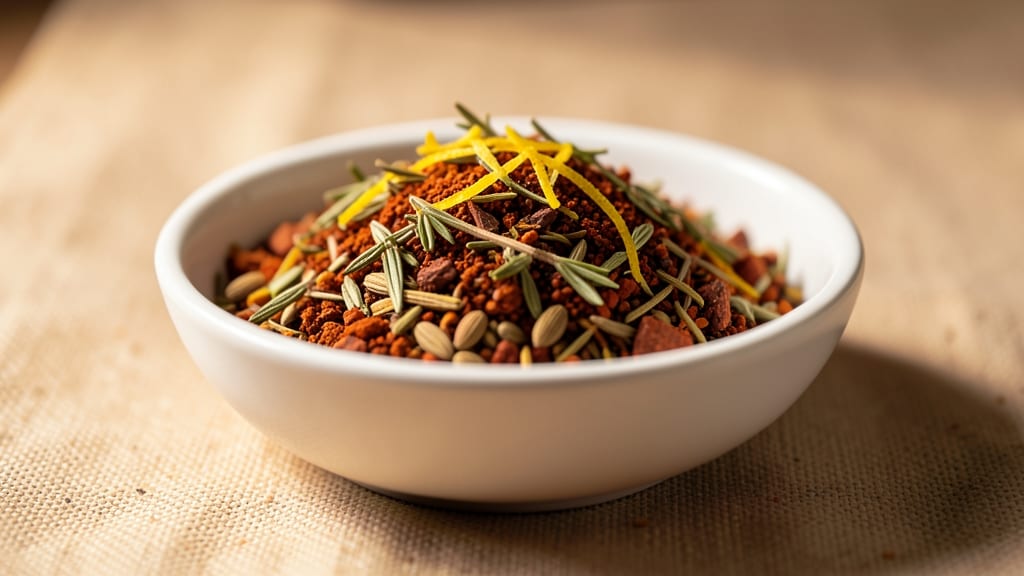
Creating a savory seasoning recipe that transforms ordinary meals into extraordinary ones is what I’ve perfected over years of testing—starting in my Nonna’s cramped Boston kitchen. This dry spice blend elevates meats, grains, and roasted vegetables with just a sprinkle, cutting prep time while packing bold, restaurant-quality flavor.
The secret lies in balancing earthy, smoky, and citrus notes for depth without overpowering.
What makes this blend special is its versatility—5 simple ingredients come together in precise proportions to create a foolproof seasoning that lasts for months. No cooking required; just mix, store, and sprinkle generously over chicken, steak, or even popcorn for an instant flavor boost.
I’ve tested it in everything from weeknight dinners to holiday roasts, and it never fails to impress.
The result is a rich, aromatic seasoning that adds complexity to any dish with minimal effort. The blend’s warmth lingers on the palate, while its subtle tang keeps flavors from becoming one-dimensional.
Whether you’re searing a steak or tossing roasted potatoes, this seasoning turns simple ingredients into something extraordinary—no advanced techniques needed.
Make a large batch and keep it on hand for quick weeknight meals or special occasions. The instructions are straightforward, and the ingredients are easy to find at any grocery store. Let’s get started on this game-changing blend that will transform your cooking routine forever.
Ingredients for savory seasoning
Five simple spices plus a citrusy kick—this blend transforms everything from steak to roasted veggies.
| Ingredient | Amount | Notes |
|---|---|---|
| Smoked Paprika 🌶️ | 2 tbsp | Spanish smoked for depth |
| Ground Cumin 🌿 | 1 ½ tbsp | Toasted for nutty aroma |
| Garlic Powder 🧄 | 1 ½ tbsp | Freshly ground preferred |
| Onion Powder 🧅 | 1 ½ tbsp | Diamond Crystal preferred |
| Dried Thyme 🌿 | 1 tbsp | French preferred, not American |
| Kosher Salt 🧂 | 1 tbsp | Fine grain for even distribution |
| Black Peppercorns 🌶️ | 1 tsp | Freshly cracked, not ground |
| Ground Coriander 🍋 | ½ tbsp | For citrusy brightness |
| Lemon Zest 🍋 | 1 tsp | Freshly grated, organic preferred |
The smoked paprika is non-negotiable here—Penzeys Spanish smoked or Trader Joe's are my go-tos. It gives that deep, smoky backbone that makes this blend work on everything from chicken thighs to Brussels sprouts. Costco's bulk cumin is worth the splurge if you're making a big batch, but the regular grocery store stuff works fine if it's labeled 'toasted.' For the garlic and onion powders, Diamond Crystal kosher is my secret—it dissolves better than most brands and doesn't clump. The thyme? French thyme (not the American variety) has a completely different, more complex flavor profile. If you can only find American, use half the amount and add a pinch of dried rosemary for depth.
No smoked paprika? Regular paprika plus 1/4 tsp liquid smoke gets you close, though it won't be identical. Short on coriander? Substitute with 1/2 tsp orange zest—it's not the same, but adds that citrusy lift. The lemon zest can be skipped if you're out, but don't replace it with lemon juice—it'll make the blend too wet when stored. Pre-ground spices work fine, but if you've got whole spices, toast them briefly in a dry pan before grinding for extra flavor. And for the love of all things savory, don't use pre-salted spices—you're already adding salt separately.
This blend stays potent for 6-12 months in an airtight container in a cool, dark place. I like to portion it into small jars—one for the fridge (for quick meals) and one in the pantry (for longer storage). Glass jars with tight-sealing lids are best; plastic can absorb odors. If you make a big batch, freeze half for later—it thaws out just fine. The lemon zest might lose some brightness over time, but the rest of the blend stays bold. Sprinkle generously—1-2 tbsp per pound of meat or 1 tbsp per 4 cups of vegetables. Trust me, you can't overdo it.
Why You'll Love This Recipe
- Pantry Magic: I swear by this mix—no measuring cups, no mess. Just dump those spices from your cabinet (you already have them!) and stir. That’s it. Honestly, I’ve made it in my head while multitasking—no notes needed.
- Deep, Smoky Hug: The smoked paprika and cumin team up for a flavor that’s ridiculously good on its own. But add the garlic and thyme? It’s like a warm, earthy blanket for any dish—especially when it caramelizes on roasted veggies or grilled chicken.
- Weeknight Swiss Army: This isn’t just for tacos. I’ve used it on scrambled eggs, soups, even as a dry rub for baked potatoes. Between us, it’s my go-to for when I’m too tired to think but still want something actually tasty.
- Zero Waste, Big Payoff: A little goes a long way—store it in a jar, and it’ll last for months. I make a big batch at the start of the month, then sprinkle it everywhere. Not only does it cut grocery costs, but it also means I’m never stuck with bland leftovers.
Step-by-step instructions for savory seasoning recipe
Here's how to craft a versatile spice blend that elevates everything from roasted meats to grilled vegetables.
Measure All Ingredients Precisely
Start by gathering all your ingredients and measuring them exactly as listed. I can't stress enough how important precision is with spice blends—too much of one ingredient can overpower the others. Use a fine-mesh measuring spoon for the 1 tsp lemon zest to avoid any bitter pith, and a small spice grinder for the 1 tsp black peppercorns if you haven't already cracked them. The 2 tbsp smoked paprika should be Spanish smoked for that deep, earthy flavor that forms the backbone of this blend.
For the powders, I recommend using a digital kitchen scale if you have one—it's more accurate than volume measurements for spices. The 1.5 tbsp ground cumin and 1.5 tbsp garlic powder should be toasted and freshly ground respectively, as these details make a noticeable difference in the final product. Place all measured ingredients in a small mixing bowl for the next step.
Combine Dry Ingredients Thoroughly
Using a whisk or small fork, gently fold the dry ingredients together. Start with the 1 tbsp kosher salt and 1 tbsp dried thyme, then add the 1.5 tbsp onion powder and 0.5 tbsp ground coriander. This order helps distribute the finer powders evenly throughout the blend. Work in small circles at first to prevent any ingredients from flying out of the bowl.
Once the dry components are well incorporated, sprinkle in the 2 tbsp smoked paprika and 1.5 tbsp garlic powder. These ingredients have stronger flavors, so you want them fully distributed. After each addition, give the mixture a gentle shake or two to break up any clumps. The goal here is to create a uniform blend where every teaspoonful has balanced flavor.
Incorporate the Lemon Zest
This is where the blend gets its bright, citrusy edge. Add the 1 tsp lemon zest last, as its freshness can mellow slightly when combined with the other ingredients. Using your fingers, gently rub the zest between your fingertips to break up any larger pieces, then sprinkle it evenly over the dry mixture. The zest should look like fine yellow specks throughout the blend.
Fold the zest in carefully—you don't want to overmix, as this could release too much of its essential oils all at once. A light touch ensures the citrus flavor is present but not overpowering. The final mixture should look like a rich, earthy brown with subtle yellow flecks from the lemon. If you're using this blend for meats, the zest adds a beautiful contrast to the smoky paprika.
Store Properly for Maximum Freshness
Transfer the finished seasoning to an airtight container, preferably one with a small opening to minimize air exposure. I like to use a dark glass jar or a ceramic crock for storage, as these materials help preserve the spices' potency. Label the container with the date and contents—this blend keeps best for up to 6 months when stored in a cool, dark place like a pantry.
For even longer shelf life, you can freeze the seasoning in small portions. Divide it into ice cube trays or small jars, then transfer to a freezer bag. Frozen portions maintain their flavor for up to 1 year, perfect for keeping a backup stash. The key to using this blend effectively is to store it away from heat and light, which can degrade the delicate flavors over time.
Pro Tips For Making Savory Seasoning
- TOAST THE SPICES FIRST: DESCRIPTION: Smoked paprika and cumin taste way better if you dry-toast them in a skillet for 30 seconds before grinding or mixing. The heat deepens their flavor—just don’t walk away; they burn faster than you think. (I learned this after making a batch that tasted flat until I tried it again.)
- GRIND FRESHLY IF POSSIBLE: DESCRIPTION: Pre-ground spices lose potency fast, especially thyme and cumin. If you have whole spices, pulse them in a spice grinder right before mixing—it’s a little extra work, but the difference in aroma is noticeable. No grinder? Toast whole spices, then crush them with a mortar and pestle.
- STORE IN AIRLESS CONTAINER: DESCRIPTION: Keep your seasoning in a sealed jar with a tight lid, preferably in the fridge if you won’t use it within a month. Light and air turn smoked paprika bitter, and cumin goes stale faster than you’d expect. (I used to ignore this and wondered why my seasoning tasted off.)
- ADD A PINCH OF SALT: DESCRIPTION: Your blend needs salt—even if the recipe doesn’t say so. A ¼ teaspoon per tablespoon of seasoning balances the spices and makes them work harder in dishes. Trust me, your chili or roasted veggies will thank you. (Yes, even if you’re not salting the final dish.)
Storing and reheating your savory seasoning
Pantry Storage Essentials
Store your savory seasoning in an airtight glass jar (I love Ball Mason jars for their tight seals) in a cool, dark pantry—light and heat degrade spices faster than you'd think.
The blend stays potent for 6 months this way, though the lemon zest may lose some brightness after 3 months. I keep a backup batch in the freezer for when I run out mid-cook. 🌶️
Freezer Preservation
For longer storage, divide the seasoning into 1-tablespoon portions in small jars or ice cube trays, then transfer to a freezer bag. This keeps it fresh for up to 1 year without flavor loss.
Thaw at room temperature before using—no need to reheat. I label each portion with the date so I don’t accidentally use something past its prime. ❄️
Reviving Dull Seasoning
If your blend tastes weak after storage, revive it by adding ½ tsp fresh lemon zest or ¼ tsp smoked paprika to refresh the flavor. I’ve also had success toasting the entire blend in a dry pan over low heat for 1 minute to reactivate the spices.
Just don’t overdo it—you don’t want to burn the lemon zest! 💡
Portioning for Convenience
Pre-portion the seasoning into small jars or resealable bags for easy grab-and-go use. I keep one in my fridge for quick weeknight meals (like roasted chicken thighs) and another in my pantry for longer storage.
A 2-ounce jar is perfect for daily use—just sprinkle and go. This also prevents the blend from getting contaminated if you leave the main jar open. 📦
Reheating for Cooked Dishes
If you’ve pre-seasoned meat or veggies and want to reheat them, add 1-2 tablespoons of broth or water to the pan to prevent drying. Heat over medium-low until reaching 165°F internal temperature.
The seasoning’s flavors intensify when reheated, so don’t be shy—add a little extra if it tastes bland. 🔥
When to Make a Fresh Batch
If your seasoning loses its aroma (you’ll know—it’ll smell flat instead of smoky and citrusy), it’s time for a fresh batch. I usually make a new one every 3-4 months, even if the old one hasn’t technically expired.
Fresh spices make a world of difference, especially in dishes like smoked brisket or roasted potatoes. Trust your nose—if it doesn’t smell amazing, toss it! 💪
Nutrition facts
Frequently asked questions
Can I make this seasoning without smoked paprika?
Yes! Swap the smoked paprika for 2 tbsp regular paprika plus ¼ tsp liquid smoke—it won’t be identical, but you’ll still get that warm, earthy depth. For a smokier alternative, try ½ tsp chipotle powder instead. The citrusy brightness from lemon zest will balance any smokiness differences.
How much seasoning should I use for different foods?
Start with 1-2 tablespoons per pound of meat (like chicken or steak) and 1 tablespoon per 4 cups of vegetables. For grains (rice, quinoa), use ½ teaspoon per cup. Taste as you go—this blend is bold, so less is often more. It’s also great on popcorn or roasted nuts!
Why does my seasoning taste weak after a few months?
Spices lose potency over time, especially citrusy lemon zest. Refresh by adding ½ tsp fresh lemon zest or ¼ tsp smoked paprika to revive it. For a stronger boost, toast the entire blend in a dry pan over low heat for 1 minute to reactivate the spices. If it still smells flat, make a fresh batch!
Can I use this seasoning on seafood?
It pairs beautifully with fish like salmon or cod. Use 1 tablespoon per pound of seafood and let it sit for 10-15 minutes before cooking to let the flavors meld. For delicate fish, reduce to ½ tablespoon per pound to avoid overpowering the natural taste. The cumin and coriander add a lovely brightness.
Is this seasoning gluten-free?
Yes, all the ingredients in this blend are naturally gluten-free. However, always double-check labels on individual spices (like smoked paprika or garlic powder) if you have celiac disease or gluten sensitivity. Some brands process spices in shared facilities. For extra safety, buy certified gluten-free versions.