Sauces & Condiments
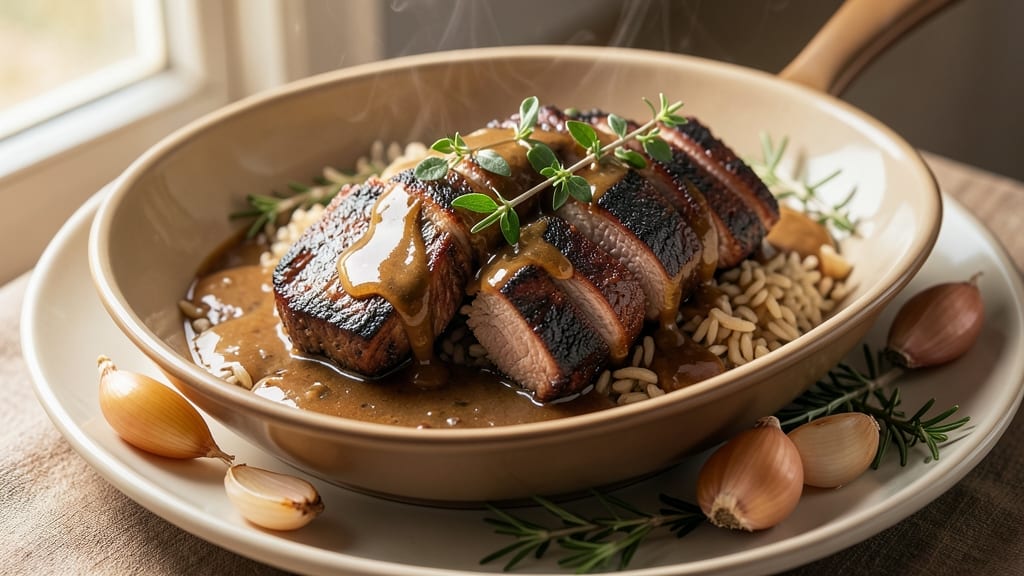
A short rib sauce recipe that transforms simple braising liquid into a velvety, wine-infused masterpiece is what separates home cooking from restaurant-quality dining. This sauce captures all the deep, caramelized flavors of slow-cooked beef—rich, complex, and impossible to resist.
The secret lies in reducing aromatics with red wine and beef stock until it thickens into a glossy, glossy sauce that clings to every bite.
What makes this sauce special is its ability to elevate even the simplest short ribs into a showstopping meal. By building the sauce directly from the braising liquid, you preserve every layer of flavor—from the garlic and shallots to the herbs and wine.
A simple roux at the end ensures the perfect consistency: thick enough to coat, but still silky enough to drizzle. The result? A sauce that’s as impressive as it is delicious.
This recipe delivers a deep, wine-red richness that pairs perfectly with braised short ribs, mashed potatoes, or crusty bread. The process is straightforward but requires patience—letting the sauce reduce slowly develops those complex, umami notes that make it unforgettable. Once you taste it, you’ll never settle for store-bought again.
Serve it warm over your braised short ribs, or store it in the fridge for up to a week—it only gets better as the flavors meld. The key is timing: reduce the sauce just before serving to lock in that perfect balance of depth and brightness.
Ready to make a sauce that steals the show?
Ingredients for short rib sauce
Nine ingredients. One sauce. Restaurant-quality richness in your own kitchen.
| Ingredient | Amount | Notes |
|---|---|---|
| Red Wine 🍷 | 1 cup | Bold, dry variety like Cabernet Sauvignon |
| Beef Stock 🥩 | 2 cups | Homemade or high-quality store-bought |
| Shallots 🧅 | 2 whole | Minced, not pre-chopped |
| Garlic Cloves 🧄 | 4 cloves | Peeled, roughly chopped |
| Fresh Thyme 🌿 | ¼ cup | Leaves only, stems removed |
| Fresh Rosemary 🌿 | ½ tsp | Finely chopped |
| All-Purpose Flour 🌾 | 2 tbsp | For roux, use fine grain |
| Unsalted Butter 🧈 | ½ cup | Cold, cubed |
| Salt 🧂 | 1 ½ tsp | Kosher or sea salt |
| Black Pepper 🌶️ | ½ tsp | Freshly ground |
The wine is non-negotiable—it's what gives this sauce its signature depth. Cabernet Sauvignon or Merlot work best, but whatever bold, dry red you have open will do. For the beef stock, homemade is ideal, but Swanson or Kitchen Basics are solid store-bought options. The shallots and garlic? Fresh is key here—they caramelize beautifully and add layers of sweetness. I always grab extra thyme because half gets tucked into the ribs while the other half goes into the sauce. Fresh herbs make all the difference, so skip the dried stuff unless you're in a pinch.
No red wine? Beef broth with a splash of balsamic vinegar gets you close, though the color won't be as deep. Fresh thyme and rosemary are ideal, but dried at one-third the amount works in a bind. The flour for the roux? King Arthur or Gold Medal are my go-tos—they create a smooth, lump-free sauce. Butter matters too—full-fat, unsalted gives the best flavor and texture. If you're short on butter, you can use more olive oil, but the sauce won't have the same richness. And trust me on the cold butter for the roux—it's worth the extra minute to cube it.
This sauce tastes even better the next day as the flavors meld. Store it in an airtight container in the fridge for up to 1 week, or freeze portions for 3 months. I like to portion it into small jars so I can grab just what I need. If it thickens too much, just add a splash of warm water or stock to loosen it up. The sauce reheats beautifully—simmer gently on the stove or warm in the microwave for 30 seconds. Perfect for drizzling over ribs, mashed potatoes, or even crusty bread.
Why You'll Love This Recipe
- One-Pot Magic: I swear by this—just toss in shallots, garlic, and thyme, then let the wine and stock do the work. No straining, no fuss, and the flavors meld into something rich without extra effort.
- Rich Without Trying: That first sip of wine reducing into the stock? Pure umami gold. The thyme adds brightness, while the shallots bring depth—it’s the kind of sauce that makes you pause mid-bite and think, "How is this so good?"
- Weeknight to Dinner Party: Same sauce, different vibes. Drizzle it over pasta for a quick weeknight dinner, or serve it with seared short ribs for a restaurant-worthy meal. Honestly, I’ve even used it to elevate a simple grilled cheese—because good sauce makes everything better.
- Leftovers That Don’t Suck: Unlike some sauces that turn gloopy when reheated, this one actually improves overnight. Store it in the fridge, and the next day, it’s even more concentrated—perfect for tossing with roasted veggies or slathering on toast. My secret weapon for lazy mornings.
Step-by-step instructions for short rib sauce
This sauce delivers rich, velvety depth with just a few simple steps—perfect for braised beef.
Sauté Aromatics Until Fragrant
Heat the 0.5 cup unsalted butter in a large saucepan over medium heat until it melts and begins to foam. Add the 2 whole shallots and 4 cloves garlic cloves, stirring occasionally for 5-6 minutes until the shallots soften and turn translucent. You'll smell their sweet aroma filling your kitchen—that's your cue they're ready.
Next, stir in the 0.25 cup fresh thyme and 0.5 tsp fresh rosemary, letting them cook for 1 minute until fragrant. This step builds the aromatic foundation of your sauce. If the shallots start to brown too quickly, reduce the heat slightly to prevent burning—you want them tender, not crispy.
Deglaze with Wine and Stock
Pour in the 1 cup red wine, scraping up any browned bits from the bottom of the pan with a wooden spoon. This deglazing step captures all the flavor you've built so far. Let the wine simmer for 3-4 minutes until it reduces by half and the alcohol smell dissipates—you'll notice a deeper, more concentrated aroma.
Add the 2 cups beef stock and bring to a gentle simmer. The mixture should bubble softly but not boil vigorously. At this point, I like to add the 1.5 tsp salt and 0.5 tsp black pepper, stirring to dissolve completely. This is where the sauce starts to develop its rich, savory character.
Thicken with Flour for Velvety Texture
In a small bowl, combine the 2 tbsp all-purpose flour with 1 tablespoon of cold water to form a smooth paste. Slowly whisk this into the simmering sauce, stirring constantly for 2-3 minutes until it thickens slightly. You're creating a light roux that will give your sauce that luxurious, velvety consistency.
Continue simmering the sauce for 15-20 minutes until it reduces to a rich, glossy consistency. It should coat the back of a spoon but still be pourable. If it thickens too much before reaching this point, whisk in 1-2 tablespoons of water to adjust the texture. The sauce should have a deep wine-red color and an intense aroma that makes your mouth water.
Finish and Strain for Smooth Perfection
Remove the sauce from heat and let it cool slightly for 5 minutes. This resting period allows the flavors to meld together. Then, strain the sauce through a fine-mesh sieve into a clean saucepan, pressing gently on the solids to extract all the flavor. Discard the solids in the strainer.
Return the strained sauce to low heat and stir in the remaining 0.5 cup unsalted butter, one pat at a time, until fully incorporated. This final step adds richness and helps create a silky, luxurious texture. Taste and adjust seasoning if needed—you might need a touch more salt or pepper to balance the flavors perfectly. Serve immediately over braised short ribs or store in an airtight container in the refrigerator for up to 5 days.
Pro Tips For Making Short Rib Sauce
- Sweat Shallots Slow: I used to rush this step and wondered why my sauce tasted raw. Over medium-low heat with a splash of water, let those shallots turn golden—not brown, not caramelized, just soft with color. That’s when they release their sweetness properly, and your sauce won’t taste like you just chopped onions.
- Deglaze Now, Strain Later: Scrape up every last bit of browned bits from the pan after searing the ribs—this is where the flavor lives. Then, strain the wine reduction through a fine-mesh sieve before adding stock. It keeps your sauce silky, not gritty, and saves you from fishing out thyme stems later.
- Reduce Wine Halfway: Don’t just dump in the wine and walk away. Bring it to a hard simmer first, then reduce it by half before adding stock. This cuts down cooking time and concentrates the alcohol’s punch, so your sauce doesn’t taste like you’re drinking cooking wine.
- Thyme Bundles, Not Sprigs: Tie thyme sprigs in a tiny cheesecloth bundle (or even a single thread) so you can toss it in the sauce and remove it cleanly. Loose sprigs sink to the bottom and turn your sauce into a straining nightmare—especially when you’re in a hurry to serve.
Best sauces and condiments for these flavors
Wine-Infused Depth
The secret weapon in this sauce is the red wine, which adds a rich, complex flavor that braising alone can't match. I always use a bold, dry red like Cabernet Sauvignon or Merlot—these varieties have enough tannins to stand up to the beef's intensity.
For an extra layer of depth, I sometimes add a splash of balsamic vinegar (about 1 tablespoon) during the reduction phase, which enhances the caramelization and adds a subtle tang. 🍷
Herb and Aromatic Layers
Fresh herbs are non-negotiable here—they bring brightness and complexity that dried herbs can't replicate. I use thyme and rosemary because their earthy, piney notes complement the beef beautifully. For a twist, try adding a bay leaf while the sauce simmers, then remove it before serving.
If you're feeling adventurous, a pinch of smoked paprika (about ¼ teaspoon) during the deglazing step adds a subtle smokiness that pairs perfectly with braised short ribs.
Butter-Finished Luxury
The final step—stirring in cold butter—transforms the sauce from good to extraordinary. I always use full-fat, unsalted butter because it melts smoothly and adds a velvety richness without overpowering the other flavors.
For an even richer finish, I sometimes mix in 1 tablespoon of brown butter at the end, which adds a nutty depth. If you're short on butter, you can substitute olive oil, but the sauce won't have the same luxurious mouthfeel.
Umami Boosters
To take this sauce to the next level, I often incorporate umami-rich ingredients like soy sauce or Worcestershire sauce.
Add 1 teaspoon of soy sauce during the reduction phase to deepen the savory notes, or stir in ½ teaspoon of Worcestershire sauce at the very end for a touch of tangy complexity. Another trick?
A splash of fish sauce (about ½ teaspoon) adds an unexpected but delicious depth that balances the richness of the beef and wine.
Sweet and Tangy Balance
For a brighter, more balanced sauce, I sometimes add a touch of sweetness to cut through the richness. A teaspoon of honey or maple syrup stirred in during the final reduction rounds out the flavors beautifully.
If you prefer tang, a squeeze of lemon juice (about ½ teaspoon) at the end adds a refreshing contrast. Both adjustments are subtle but make a noticeable difference in the final product. 💫
Storage and Reheating
This sauce tastes even better the next day as the flavors meld together. Store it in an airtight container in the fridge for up to 5 days, or freeze portions for 3 months.
When reheating, simmer gently on the stove over low heat for 5-10 minutes—this helps restore its glossy texture. If the sauce thickens too much, whisk in 1-2 tablespoons of warm water or stock to loosen it up.
The key is to reheat it slowly to avoid breaking the emulsion and losing that silky consistency.
Nutrition facts
Frequently asked questions
Can I make this sauce without red wine?
Use 1 cup beef broth plus 1 tablespoon balsamic vinegar for depth. The color won't be as rich, but you'll still get that savory, umami-packed flavor. For extra richness, add 1 teaspoon soy sauce during the reduction. The sauce will taste slightly different but remain delicious.
How do I fix a sauce that's too thin?
If your sauce is too watery, create a quick slurry by mixing 1 tablespoon flour with 1 tablespoon cold water. Whisk it into the simmering sauce and cook for 2-3 minutes until thickened. For an instant fix, stir in 1 teaspoon cornstarch mixed with 1 tablespoon water—it thickens immediately. Always reduce the sauce longer next time!
What's the best way to reheat this sauce?
Gently reheat over low heat on the stove for 5-10 minutes until warm. Never microwave it directly—this can break the sauce's silky texture. If it thickens too much, whisk in 1 tablespoon warm water or stock to restore consistency. The slow reheating preserves that glossy finish.
Can I use this sauce for other meats besides short ribs?
This sauce works beautifully with beef short ribs, but it also pairs well with braised beef chuck, lamb shanks, or even mushroom risotto. For poultry, reduce the wine to ½ cup and add ½ teaspoon poultry seasoning instead of rosemary. The rich flavor profile adapts well to hearty dishes!
Why does my sauce taste bitter?
Bitterness usually comes from over-reducing the wine or burning the aromatics. Next time, simmer the wine for only 3-4 minutes (not longer) and keep the heat at medium-low when cooking shallots. If it's already bitter, balance it with 1 teaspoon honey or ½ teaspoon lemon juice stirred in at the end. A pinch of sugar can also help.