Main Courses
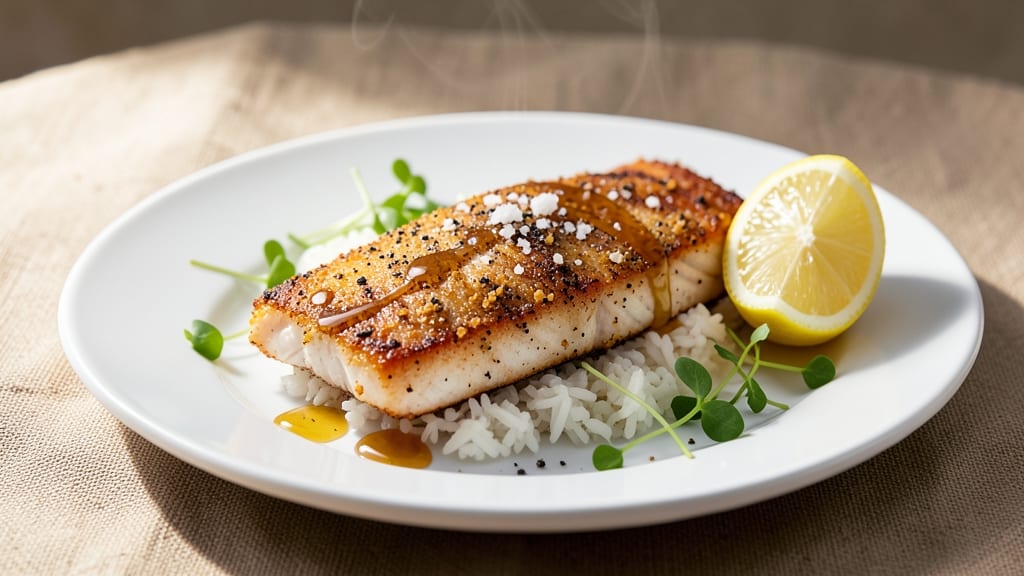
This tasty fried fish recipe delivers the perfect balance of crispy cornmeal crust and tender, flaky flesh—every bite is a revelation. The secret lies in a precise technique that ensures the crust stays golden and crunchy while the fish remains moist inside.
I’ve perfected this method over years of testing, and it’s become my go-to for restaurant-quality results at home.
The recipe begins with carefully prepping the fish—pat it dry, season it well, and coat it in a light cornmeal batter that creates that signature crispy texture. Frying at the right temperature (350°F) is critical—too low, and the crust won’t set; too high, and the fish will cook unevenly.
A neutral oil like vegetable or canola works best, and I recommend frying in small batches to maintain oil temperature.
What makes this dish truly special is the bright lemon-garlic zing that cuts through the richness of the fried crust. A simple squeeze of fresh lemon and a sprinkle of garlic powder elevate the flavor, making each bite feel fresh and vibrant.
Serve with a side of tartar sauce, a crisp green salad, or steamed vegetables for a well-rounded meal.
This recipe is foolproof—even beginners can achieve crispy, golden perfection with just a few key steps. Whether you’re cooking for a family dinner or hosting a gathering, this fried fish will be the star of the show. Let’s get started on creating a dish that’s both satisfying and impressive.
Ingredients for tasty fried fish
Nine essential ingredients for restaurant-quality fried fish at home—crispy, golden, and bursting with lemon-garlic flavor.
| Ingredient | Amount | Notes |
|---|---|---|
| White Fish Fillets 🐟 | 1 ½ lb | Cod, tilapia, or haddock preferred |
| All-Purpose Flour 🌾 | ½ cup | For light dredging |
| Fine Yellow Cornmeal 🌽 | ¾ cup | For crispy crust |
| Salt 🧂 | 1 ½ tsp | Kosher or sea salt |
| Ground Black Pepper 🌶️ | ½ tsp | Freshly ground preferred |
| Garlic Powder 🧄 | 1 tsp | For flavor depth |
| Paprika 🌶️ | ½ tsp | Smoked for extra flavor |
| Vegetable Oil 🫒 | 2 cups | For frying at 350°F |
| Lemon Wedges 🍋 | 4 whole | For serving |
| Fresh Garlic Cloves 🧄 | 2 cloves | Minced for garnish |
| Fresh Parsley 🌿 | ¼ cup | Chopped for garnish |
| Tartar Sauce 🥫 | ½ cup | For dipping |
| Ice Cold Water 💧 | ¼ cup | For batter consistency |
The fish is the foundation, so choose wisely. Cod, tilapia, or haddock work best—they’re firm yet flaky, holding up to the frying process without falling apart. Buy fresh from seafood counters or high-quality frozen fillets (thaw overnight in the fridge). Pat them bone-dry before coating—this ensures the cornmeal adheres perfectly. For extra crispiness, I recommend Trader Joe’s or Whole Foods for their premium frozen options. If using fresh, look for fillets with a bright, clean smell and vibrant color—no fishy odor or dull appearance.
No cornmeal? Crushed cornflakes or panko can substitute in a pinch, though the texture won’t be identical. Short on garlic powder? Fresh minced garlic at half the amount adds a punchier flavor. The vegetable oil is non-negotiable—use neutral oils like canola or vegetable; olive oil burns too easily. For the lemon, freshly squeezed juice is ideal, but bottled lemon juice in a squeeze bottle works for convenience. The parsley is optional but adds a pop of color and freshness—skip it if you’re short on time. Pre-mixed tartar sauce from the store is fine, but homemade with mayo, capers, and pickles elevates the dish.
Keep the fish fillets wrapped in paper towels in the fridge until ready to coat—this prevents sogginess. The cornmeal batter stays fresh for 2 hours at room temperature, so prep just before frying. Once fried, serve immediately for maximum crispiness, but you can hold in a 200°F oven for up to 15 minutes if needed. The tartar sauce keeps for 5 days in the fridge, while the lemon wedges stay fresh for 3 days if stored properly. For leftovers, reheat in a skillet over medium heat for 2-3 minutes per side—just enough to warm through without re-frying.
Why You'll Love This Recipe
- No-Fuss Crunch: I swear by the cornmeal crust—it’s that perfect crunch without needing panko or fancy breading. Just flour, cornmeal, and a quick shake in a bag, then fry. My kids still ask why I don’t make it every week.
- Double-Crust Magic: The flour gives it a light bite, but the cornmeal? That’s where the texture actually happens—golden, shatter-y, and holding up even when you’re too excited to eat it slow. (Yes, I’ve done that.)
- Lunchbox Hero: Between us, this is my go-to for meal prep. Fry a batch on Sunday, pack it in foil with lemon wedges, and it stays crispy for days. Honestly, my coworkers bring their leftovers home because mine always taste better.
- Budget Win: White fish fillets are cheap, and this recipe stretches them further than any other method I’ve tried. A single pound feeds four, and the cornmeal costs pennies. Not the prettiest, but the taste makes up for it—every time.
Step-by-step instructions for crispy cornmeal-crusted fish
Here's how to achieve a perfectly golden, crispy crust on every bite.
Prepare the Fish and Seasoning Mix
Pat the 1.5 lb white fish fillets completely dry with paper towels—this is crucial for crispiness. Place them on a clean work surface and season both sides generously with the 1.5 tsp salt, 0.5 tsp ground black pepper, 1 tsp garlic powder, and 0.5 tsp paprika. I like to press the spices into the fish so they adhere well.
In a shallow bowl, combine the 0.5 cup all-purpose flour and 0.75 cup fine yellow cornmeal. This mix creates the perfect crispy crust while keeping the fish tender inside. Make sure the cornmeal is fine and sifted—any lumps will prevent an even coating.
Create the Batter and Dip the Fish
In a separate bowl, whisk together the 0.25 cup ice cold water and the 1 tsp garlic powder until smooth. This creates a thin, cohesive batter that will cling to the fish fillets. The cold water is key—it prevents the batter from becoming too thick and gummy.
Dip each fish fillet into the batter, letting any excess drip off. Then press it firmly into the flour-cornmeal mixture, coating both sides completely. I press down gently but firmly to ensure the crust adheres well. Place the coated fillets on a wire rack set over a baking sheet to allow air circulation on both sides—this prevents soggy crusts.
Fry to Perfect Crispiness
Heat the 2 cups vegetable oil in a deep skillet or Dutch oven to 350°F. Use a thermometer to monitor the temperature—it should stay steady. Once hot, carefully add the fish fillets in a single layer, being careful not to overcrowd the pan. This ensures even cooking and maintains the oil temperature.
Fry for 3-4 minutes per side until the crust is deep golden brown and crispy. You'll know it's ready when the crust releases easily from the fish and the internal temperature reaches 145°F. Don't walk away—keep an eye on the oil and fish to prevent burning. Transfer the cooked fillets to a paper towel-lined plate to drain excess oil.
Garnish and Serve Immediately
While the fish is still hot, sprinkle with the chopped 0.25 cup fresh parsley and minced 2 cloves fresh garlic for a bright, aromatic finish. Serve immediately with the 4 whole lemon wedges and 0.5 cup tartar sauce on the side. The lemon adds a zesty contrast to the rich, crispy fish, while the tartar sauce provides a creamy dipping option.
This dish is best enjoyed right away while the crust is at its crispest. The combination of the golden cornmeal crust, tender fish, and bright lemon-garlic flavors makes every bite irresistible. Don't skip the lemon—it's what elevates this simple fried fish into something truly special.
Pro Tips For Making Tasty Fried Fish
- Dry the Fish Like It’s Your Job: Pat those fillets aggressively with paper towels—no half-measures. Wet skin = steam = soggy crust. I learned this after frying fish that looked golden but tasted like a sad, greasy sponge.
- Mix Cornmeal Last, Not First: Toss the fillets in flour first, then lightly dredge in cornmeal—just enough to coat, not bury. Too much too soon clumps and burns. My grandmother swore by this, and she was right: the crust stays crisp without turning into a hockey puck.
- Skip the Overcrowding: Fry one piece at a time, no exceptions. I know, I know—you’re impatient like me—but shoving too many in the pan drops the oil temp, and suddenly you’ve got greasy fish instead of golden, crunchy perfection.
- Rest the Floured Fish: Let the floured fillets sit on a wire rack for 5 minutes before frying. Sounds weird, but it works: the flour absorbs just enough moisture to create a proper crust, not a powdery dust cloud. (Yes, even if you’re impatient.)
Regional styles of this recipe
Southern Fried Style
In the American South, fried fish becomes a crispy, golden masterpiece with a touch of cayenne and cornmeal.
I love the classic blackened crust technique—coat the fish in a mix of ½ cup cornmeal, ¼ cup flour, 1 tsp salt, ½ tsp cayenne, and ½ tsp smoked paprika.
Fry at 375°F for 3-4 minutes per side until the crust is deep brown and slightly charred. Serve with hushpuppies and lemon wedges for the ultimate Southern experience. 🌶️
New England Beer Batter
Up north, fried fish gets a creamy, airy batter from light beer—traditionally Pilsner or lager. Mix 1 cup all-purpose flour, 1 cup cold beer, 1 tsp salt, and ½ tsp black pepper into a thick batter.
Dip cod fillets and fry at 350°F for 3-4 minutes until golden. The beer keeps the crust light and crispy, while the fish stays tender. Pair with coleslaw and tartar sauce for a true New England seafood shack vibe. 🍺
Caribbean Jerk-Fried Fish
For a bold twist, infuse your fried fish with Caribbean jerk spices. Marinate whole red snapper in a blend of 2 tbsp jerk seasoning (or mix 1 tbsp each allspice, thyme, and scotch bonnet), 1 tbsp soy sauce, and 1 lime for 30 minutes.
Coat in ½ cup cornmeal and fry at 360°F for 4-5 minutes per side. The jerk marinade adds smoky, spicy depth that pairs perfectly with mango salsa and cool coconut rice. 🌴
Pacific Northwest Crispy Skin
On the West Coast, salmon takes center stage with a crispy skin technique. Pat salmon fillets bone-dry, then score the skin in a crosshatch pattern. Coat lightly with 1 tbsp cornstarch and fry skin-side down at 325°F for 4 minutes before flipping.
The low heat renders fat slowly, keeping the skin ultra-crispy while the flesh stays moist. Serve with Dungeness crab dip and lemon-dill sauce for a luxurious coastal meal. 🐟
Mediterranean Lemon-Oregano Crust
In Greece and Italy, fried fish gets a herbaceous twist. Toss sea bass fillets in a mix of ½ cup breadcrumbs, 1 tbsp dried oregano, 1 tsp lemon zest, and ½ tsp red pepper flakes.
Fry at 360°F for 3 minutes per side until golden. Finish with lemon wedges and a sprinkle of fresh oregano. Serve with roasted eggplant and tzatziki for a bright, Mediterranean-inspired dish. 🍋
Nutrition facts
Frequently asked questions
What's the secret to getting extra crispy fried fish?
Pat the fish fillets bone-dry before coating and use a wire rack for air circulation while coating. Fry in 350°F oil in small batches—overcrowding lowers the temperature and creates soggy crusts. A cornmeal-flour mix (75% cornmeal) is key for that signature crunch.
Can I use frozen fish for this recipe?
Thaw frozen fish overnight in the fridge, then pat it completely dry before seasoning. The moisture from thawing can make the crust less crispy, so extra drying is essential. Avoid thawing at room temperature—it promotes bacterial growth.
What's the best oil for frying fish?
Use a neutral oil with a high smoke point like vegetable, canola, or peanut oil. Avoid olive oil—it burns easily and imparts a bitter taste. For extra flavor, try avocado oil, but it's pricier. Maintain oil temperature at 350°F for perfect results.
How do I keep fried fish warm without making the crust soggy?
Transfer fried fish to a 200°F oven on a wire rack for up to 15 minutes while you finish cooking. Never cover it—this traps steam and ruins the crispiness. For longer holding, place on a cooling rack over a baking sheet.
What are good sides for fried fish?
Classic pairings include tartar sauce, lemon wedges, and a crisp green salad. For heartier meals, try hushpuppies, coleslaw, or roasted potatoes. The acidity from lemon or vinegar-based sides cuts through the richness beautifully.