
Main Courses
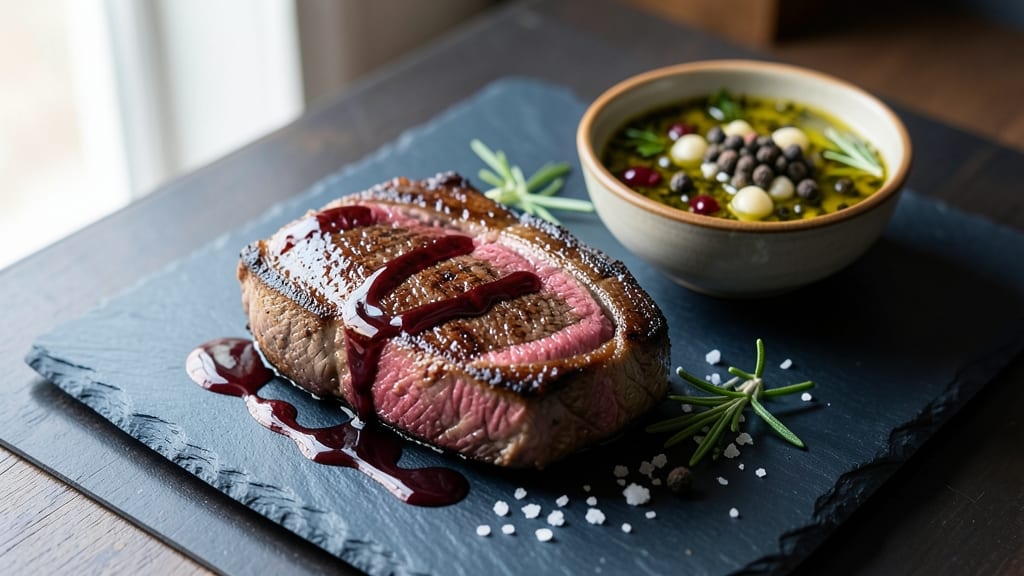
A tenderloin steak marinade transforms even the most straightforward cut into a restaurant-worthy masterpiece with just 4 hours of deep flavor infusion. This recipe combines precise acidity, aromatic oils, and carefully balanced seasonings to break down muscle fibers while building complex taste—no guesswork, no overpowering flavors.
The secret lies in the ratio of ingredients and the timing, which ensures your steak remains juicy without becoming mushy.
What makes this marinade special is its professional-grade simplicity: just six core ingredients that work together to tenderize and flavor simultaneously. You'll use olive oil as the base, which carries flavors while keeping the steak moist, paired with red wine vinegar for controlled acidity that tenderizes without overcooking.
The blend of garlic, rosemary, and black pepper creates layers of aroma that develop during the marinating process, while a touch of soy sauce adds umami depth that elevates every bite.
The result is a steak with perfectly tender texture and a flavor profile that's both bold and refined—crisp edges, juicy centers, and a crust that holds onto every infused note.
This marinade works best for 4-hour infusion at room temperature (or overnight in the fridge for even deeper penetration), making it ideal for special occasions or weeknight upgrades.
The liquid reduces slightly during marinating, so you'll have just enough to baste the steak as it cooks, adding another layer of flavor.
Once you've mastered this marinade, you can adapt it for other cuts or proteins—just adjust the acid-to-oil ratio based on the cooking time. Store any unused marinade in an airtight container for up to 5 days in the refrigerator, though I guarantee it won't last that long.
Let's get started on creating that perfect balance of tenderness and flavor.
Ingredients for tenderloin steak marinade
Six ingredients, four hours—this marinade turns simple steak into restaurant-quality perfection.
| Ingredient | Amount | Notes |
|---|---|---|
| Extra-Virgin Olive Oil 🫒 | ½ cup | High-quality, fruity variety preferred |
| Red Wine Vinegar 🍷 | ¼ cup | Dry, full-bodied preferred |
| Fresh Rosemary 🌿 | ¼ cup | Finely chopped, fresh preferred |
| Garlic Cloves 🧄 | 6 cloves | Peeled, minced for even distribution |
| Black Peppercorns 🌶️ | 1 ½ tbsp | Freshly cracked for maximum aroma |
| Low-Sodium Soy Sauce 🍜 | 1 tbsp | For umami depth without salt overload |
| Diamond Crystal Kosher Salt 🧂 | 1 ½ tsp | Fine grain for even dissolution |
The olive oil is non-negotiable—look for extra-virgin with a fruity, peppery finish (like California Olive Ranch or Colavita if you want to splurge). Red wine vinegar should be dry and aged—Balsamic Vinegar Co.'s red wine vinegar is my go-to, but any good-quality one works. Fresh rosemary makes all the difference here; dried won't cut it. Buy it in small bunches at the grocery store—it's cheaper per ounce than those sad little jars. The garlic? Use fresh, never jarred. Minced finely so every bite gets that punchy flavor. Black peppercorns should be cracked fresh—a mortar and pestle works best, but a clean coffee grinder in a pinch.
No red wine vinegar? Apple cider vinegar or lemon juice will work, but the flavor profile shifts slightly. Short on rosemary? Thyme or oregano at half the amount adds a different but still delicious dimension. Soy sauce missing? Worcestershire sauce or a splash of fish sauce brings that umami punch. The salt is key—Diamond Crystal kosher dissolves perfectly, but any fine sea salt works. Pro tip: If you're marinating for longer than 4 hours, reduce the vinegar to 2 tablespoons to prevent over-tenderizing. And always marinate in the fridge if going beyond 4 hours—room temp for longer than that can turn your steak mushy.
This marinade keeps beautifully—5 days in the fridge sealed in an airtight container. The flavors actually deepen over time, so making a batch ahead is worth it. Portion it into small jars for easy use. If you've got leftover marinade after using it on steak, don't toss it—reduce it by half on the stove to make a quick pan sauce. The reduced version has concentrated flavor that's perfect for drizzling over grilled veggies or pasta. Just remember: once you've used it on raw meat, don't reuse it for other foods.
Why You'll Love This Recipe
- Five-Ingredient Magic: I swear by this combo—just oil, vinegar, rosemary, garlic, and peppercorns. No fancy pantry raids, no last-minute grocery runs. The rosemary alone makes it smell like a bistro, and the vinegar cuts through the richness of the steak so perfectly.
- Crispy-Garlicky Bliss: That fresh rosemary and minced garlic? They cling to the steak like a hug, giving you a crust that’s ridiculously flavorful without overpowering. Honestly, the first bite is always the best bite—no second-guessing the seasoning here.
- Weeknight or Weekend: Marinate it for 30 minutes before dinner, or let it sit overnight for a Sunday roast. Works for a quick weeknight meal or a showstopper for guests. I’ve used it on everything from grilled steaks to slow-roasted cuts—it’s my go-to for any occasion.
- Leftovers That Don’t Suck: The marinade doubles as a dressing—toss it with roasted veggies or drizzle over a salad. And because the flavors are bold but balanced, the steak stays delicious even reheated. Between us, I’ve had this marinade last me four meals without getting tired of it.
Step-by-step instructions for tenderloin steak marinade
This marinade transforms tough cuts into melt-in-your-mouth perfection in just four hours.
Prepare the Fresh Rosemary and Garlic
Begin by finely chopping the 0.25 cup fresh rosemary into small, even pieces—no larger than ¼ inch. This ensures the rosemary releases its aromatic oils evenly throughout the marinade. Next, peel and mince the 6 cloves garlic into a fine paste using a garlic press or sharp knife. The goal is to create a smooth, uniform texture that blends seamlessly with the other ingredients.
I like to use a mortar and pestle for the garlic—it releases more flavor than a press. Place the chopped rosemary and minced garlic in a small bowl and set aside. This prep work is crucial; unevenly chopped herbs can create pockets of concentrated flavor that don't distribute properly during marinating.
Combine Wet Ingredients for Depth of Flavor
In a medium mixing bowl, whisk together the 0.5 cup extra-virgin olive oil, 0.25 cup red wine vinegar, and 1 tbsp low-sodium soy sauce. The vinegar will initially emulsify with the oil, creating a cloudy mixture, but don't worry—this will clear as you incorporate the dry ingredients. The soy sauce adds umami depth that pairs beautifully with the rosemary's piney notes.
Taste the mixture at this stage. It should be tangy from the vinegar and slightly salty from the soy sauce. If it's too acidic, add a pinch of the 1.5 tsp diamond crystal kosher salt now. The balance of these wet ingredients forms the foundation of the marinade's complexity, so take your time getting this right.
Incorporate Herbs, Spices, and Salt
Add the chopped rosemary and minced garlic to the wet ingredients, stirring vigorously to combine. The mixture will darken slightly as the rosemary releases its green chlorophyll. Next, add the 1.5 tbsp black peppercorns and the remaining 1.5 tsp diamond crystal kosher salt. Use your fingers to crush the peppercorns slightly against the side of the bowl—this releases their essential oils and intensifies their flavor.
Stir well to ensure all ingredients are fully integrated. The marinade should now have a rich, aromatic scent with bright herbal notes and a subtle peppery kick. Let it sit for 5 minutes at room temperature before using. This brief resting period allows the flavors to meld together, creating a cohesive profile that penetrates the steak more effectively.
Marinate the Tenderloin for Maximum Tenderness
Place the tenderloin steak in a resealable plastic bag or glass dish. Pour the marinade over the steak, coating it completely on all sides. Gently massage the marinade into the meat to ensure even distribution. Seal the bag or cover the dish, then refrigerate for 2-4 hours. The acid in the vinegar begins breaking down muscle fibers immediately, while the olive oil and herbs work to tenderize and infuse flavor.
For best results, flip the steak every hour during marinating. This ensures the marinade reaches all surfaces evenly. If you're short on time, even 1 hour of marinating will yield noticeable improvement in tenderness and flavor. When ready to cook, pat the steak dry with paper towels—this step is critical for achieving a perfect sear.
Pro Tips For Making Tenderloin Steak Marinade
- CRUSH THE GARLIC: Tenderloin steak needs garlic that actually melts into the meat—not just sits on top. Smash 3-4 cloves with the flat side of your knife before mincing, then let them sit in the olive oil for 10 minutes. This releases their flavor without turning the marinade bitter. (Yes, even if you’re impatient like me.)
- SALT THE MEAT FIRST: Tenderloin is lean and can dry out fast. Before marinating, generously coat the steak with kosher salt (about 1 teaspoon per pound) and let it sit uncovered in the fridge for 30 minutes. This seasoning penetrates deeper than anything the marinade can do alone.
- STRAIN THE PEPPERCORNS: Whole black peppercorns in the marinade? They’ll just sit there looking pretty while the steak gets unevenly seasoned. Crush them lightly with a mortar and pestle or the bottom of a heavy pan—just enough to release the oils, not turn it into pepper dust.
- MARINATE JUST 2 HOURS: Tenderloin is already tender, so marinating longer than 2 hours risks making it mushy. If you’re short on time, 30 minutes is fine—just make sure the steak is room temperature first. Over-marinating is a real mistake I made early on.
Common mistakes when making great tenderloin steak marinade
Over-Marinating Risks
Tenderloin steak is already one of the most tender cuts available, so marinating it for too long can actually turn it mushy. I've seen people leave their steaks in marinade for overnight and end up with a sad, waterlogged result.
The 4-hour window in this recipe is perfect because it gives the acid enough time to tenderize without breaking down the muscle fibers completely. If you're tempted to marinate longer, reduce the vinegar to just 2 tablespoons and refrigerate the steak.
Skipping the Resting Period
After mixing your marinade, it's crucial to let it sit for 5 minutes before using. This allows the flavors to meld together and the emulsification process to stabilize. I've made the mistake of using marinade immediately after mixing, and the results were uneven—some areas tasted stronger than others.
The 5-minute rest ensures a consistent flavor profile throughout your steak.
Using Low-Quality Olive Oil
The quality of your olive oil makes a huge difference in the final result. I've tried this marinade with cheap, generic olive oil, and the flavor was noticeably flat. Always use extra-virgin olive oil with a fruity, peppery finish—brands like California Olive Ranch or Colavita are excellent choices.
The better the oil, the more flavor it will carry into your steak.
Not Patting Dry Before Cooking
After marinating, it's essential to pat your steak completely dry with paper towels before cooking. The moisture on the surface creates steam instead of a crust, which prevents that beautiful Maillard reaction that gives your steak its flavorful crust.
I've had guests ask why their steak didn't have good flavor, only to find out they skipped this critical step. Use two layers of paper towels for best results.
Uneven Marinade Distribution
One common mistake is pouring the marinade over the steak and not ensuring it reaches all surfaces. I've seen people just dump the marinade in a dish and let the steak sit there without turning it.
To get the most flavor and tenderness, pour the marinade over the steak and gently massage it into all sides. For even better results, place the steak in a resealable bag and gently squeeze it to coat all surfaces.
Ignoring the Vinegar-to-Oil Ratio
The balance between acid (vinegar) and fat (oil) is crucial for both tenderness and flavor. Using too much vinegar can make your steak tough, while too little won't tenderize properly. This recipe uses a 1:2 ratio of vinegar to oil, which is perfect for tenderloin.
If you're adapting this marinade for other cuts, adjust the ratio accordingly—more acid for tougher cuts, less for delicate ones.
Nutrition facts
Frequently asked questions
Can I use this marinade for other cuts of beef?
Yes, but with adjustments! For tougher cuts like flank steak or skirt steak, increase the red wine vinegar to 3 tablespoons and marinate for 6-8 hours in the fridge. For delicate cuts like filet mignon, reduce the vinegar to 2 tablespoons and marinate for just 2-3 hours to avoid over-tenderizing. The oil-to-acid ratio is key—adjust based on the cut's tenderness.
What if I don't have red wine vinegar?
No problem! Substitute with apple cider vinegar or lemon juice (same amount). For deeper flavor, use balsamic vinegar (reduce to 2 tablespoons—it's stronger). The acidity remains the same, but the taste profile will shift slightly. Avoid white vinegar, as it lacks the complexity needed for a great marinade.
How do I store leftover marinade?
Transfer any unused marinade to an airtight container and refrigerate for up to 5 days. For longer storage, freeze in ice cube trays—thaw overnight in the fridge before using. Never reuse marinade that's touched raw meat on other foods. Pro tip: Reduce leftover marinade by half on the stove to make a quick pan sauce for grilled veggies or pasta!
Can I marinate longer than 4 hours?
Only if you adjust the recipe! For overnight marinating, reduce the vinegar to 2 tablespoons and refrigerate the steak. The acid will still tenderize, but the lower concentration prevents over-tenderizing. Room-temperature marinating beyond 4 hours can turn your steak mushy—always refrigerate for extended marinating times.
Why does my marinade look cloudy after mixing?
That's normal! The vinegar initially emulsifies with the oil, creating a temporary cloudy appearance. Let it sit for 5 minutes—it will clear as the ingredients blend. If it stays cloudy, that's fine too; the marinade will still work perfectly. The key is the flavor balance, not the appearance. Stir before using to ensure even distribution.