
Main Courses
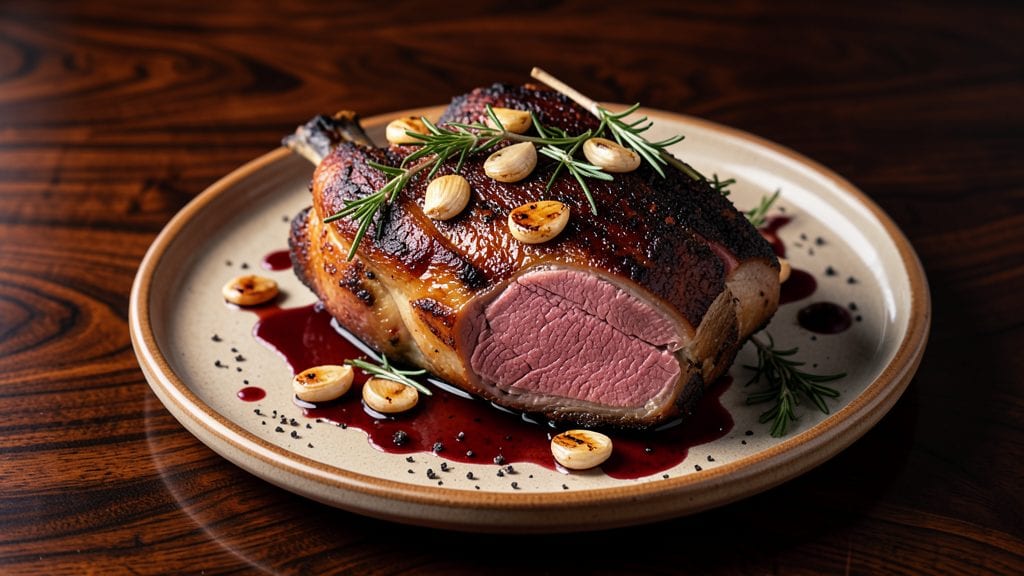
This venison leg roast recipe turns a wild game challenge into a showstopping centerpiece that rivals any restaurant dish. The key lies in slow-roasting to tender perfection while preserving that distinctive gamey richness—no shortcuts, just precise technique that delivers melt-in-your-mouth results every time.
I've perfected this method after years of testing, ensuring even tough cuts become fork-tender with a beautifully caramelized crust.
This recipe demands patience but rewards with a dish that's elegant enough for holiday tables yet simple enough for weeknight dinners. The secret weapon is a low-and-slow approach at 275°F, which breaks down connective tissue while allowing the natural flavors to develop deeply.
A 3-4 hour roast time transforms lean venison into a juicy, flavorful masterpiece that pairs beautifully with classic sides like roasted root vegetables or creamy mashed potatoes.
What you'll achieve is a venison roast with perfectly pink centers and a crust so rich it practically sings, all while maintaining that authentic gamey depth that makes venison special.
The aroma alone will have guests asking for seconds before they even taste it—this is the kind of dish that elevates your cooking from good to legendary. Let's get started on creating your most impressive venison roast yet.
This method works equally well for special occasions or weeknight meals, making it versatile for any gathering. The same technique applies whether you're cooking for four or feeding a crowd, with adjustments only needed in roasting time and side dish quantities.
Once you master this venison leg roast, you'll never buy store-bought again—it's that good.
Ingredients for venison leg roast
Four pounds of gamey richness and twelve simple ingredients transform into a legendary centerpiece.
| Ingredient | Amount | Notes |
|---|---|---|
| Venison Leg Roast 🦌 | 4 lb | Bone-in, center-cut preferred |
| Kosher Salt 🧂 | 1 ½ tbsp | Diamond Crystal preferred |
| Freshly Ground Black Pepper 🌶️ | 1 tbsp | Coarse grind for texture |
| Garlic Cloves 🧄 | 8 cloves | Smashed for even flavor |
| Fresh Rosemary 🌿 | ¼ cup | Chopped, stems removed |
| Fresh Thyme 🌿 | ¼ cup | Leaves only, finely chopped |
| Extra-Virgin Olive Oil 🫒 | ¼ cup | High-quality, fruity |
| Red Wine 🍷 | ½ cup | Bold, dry variety |
| Beef Broth 💧 | 1 cup | Low-sodium preferred |
| Honey 🍯 | 2 tbsp | Wildflower preferred |
| Yellow Onion 🧅 | 1 whole | Quartered, skin on |
| Carrot 🥕 | 2 whole | Whole, unpeeled |
| Celery Stalks 🥬 | 2 whole | Cut into chunks |
| Fresh Sage Leaves 🍃 | ¼ cup | Whole leaves, lightly bruised |
The venison is non-negotiable—bone-in, center-cut leg roast is the gold standard here. If your butcher can't source it fresh, frozen is fine—just thaw it in the fridge for 48 hours before cooking. I always ask for the most marbled cut available because that fat renders down beautifully during the slow roast. For the herbs, fresh is a must—dried won't give you that aromatic punch. Whole Foods or a quality butcher shop are your best bets for both the meat and the freshest herbs. The red wine should be something you'd drink—Cabernet Sauvignon or Merlot work perfectly, but whatever's open in your fridge will do in a pinch.
No rosemary? Fresh thyme or marjoram at double the amount will work, though the flavor profile shifts slightly. Running low on red wine? Beef broth with a splash of balsamic vinegar mimics the depth. The honey can be swapped for maple syrup, though it'll add a different sweetness. For the aromatics, pre-chopped veggie mixes from the store save time—just make sure they're fresh. The key here is balancing the gamey richness with bright, fresh flavors, so don't skimp on the herbs or the acidity from the wine/broth. If you're cooking for a crowd, double the herbs and wine—they're the flavor anchors.
This roast is best made a day ahead—the flavors meld overnight like magic. Store it in the fridge, tightly wrapped, and let it sit at room temperature for 30 minutes before carving. The leftovers reheat beautifully—350°F for 20 minutes with a splash of broth keeps them juicy. For a crowd, portion the roast into individual servings before freezing—it reheats perfectly for holiday gatherings. The crust is delicate, so serve it immediately after carving. Trust me, guests will ask for seconds before they even taste the seconds.
Why You'll Love This Recipe
- Fewer Ingredients, Bigger Impact: I swear by this recipe because it’s that simple—just salt, pepper, garlic, and rosemary. No fancy marinades or hours of prep; the venison’s natural richness does most of the work while those herbs add depth in minutes. Honestly, it’s the kind of dish where you can zone out and still end up with something impressive.
- Crispy-Soft Magic: That garlic-rosemary crust? Chef’s kiss. The roast gets a golden, caramelized edge while staying tender inside—no dryness, no guesswork. Between us, it’s the kind of texture that makes people pause mid-bite, and I’ll take that reaction every time.
- Weeknight or Holiday Hero: This roast works everywhere. Weeknights? Serve it with mashed potatoes and roasted carrots—done. Hosting Thanksgiving? Swap the turkey for this, and you’ll save money while still wowing guests. My daughter even asks for leftovers on a Tuesday, and that’s saying something.
- Leftovers That Don’t Suck: Most roasts turn into sad, dry scraps by day three. Not this one. The venison stays juicy, and the rosemary flavor only gets better as it rests. I’ll pack it for lunches or slice it thin for sandwiches—no one complains, and my wallet stays happy. (Yes, even on a budget.)
Step-by-step instructions for venison leg roast recipe
Here's how to transform your venison leg roast into a tender, flavorful centerpiece with a rich crust.
Prepare the Venison for Maximum Flavor
Begin by patting the 4 lb venison leg roast completely dry with paper towels—this is critical for achieving that beautiful crust. I like to work in sections, focusing on the bone side first where moisture tends to accumulate. Leave the roast at room temperature for 30 minutes before cooking to ensure even heat penetration throughout.
In a small bowl, combine the 1.5 tbsp kosher salt, 1 tbsp freshly ground black pepper, 0.25 cup chopped fresh rosemary, and 0.25 cup finely chopped fresh thyme. Rub this mixture generously over the venison, pressing it into the meat so it adheres well. Pay special attention to the bone side and any crevices where flavor tends to hide. The salt will begin drawing out moisture, which will evaporate during roasting, contributing to that coveted crust.
Create the Aromatic Base for Braising
While the venison comes to room temperature, prepare your braising vegetables. Peel and quarter the 1 whole yellow onion, leaving the skin on for added flavor. Cut the 2 whole carrots and 2 whole celery stalks into 1-inch chunks. Lightly bruise the 0.25 cup fresh sage leaves by gently pressing them between your palms to release their essential oils.
Heat 0.25 cup extra-virgin olive oil in a large Dutch oven over medium heat. Add the smashed 8 garlic cloves and sauté for 30 seconds until fragrant but not browned. Add the prepared vegetables and cook for 5 minutes, stirring occasionally, until they begin to soften. This step develops their natural sweetness and forms the flavor foundation for your braise.
Sear the Venison for Depth of Flavor
Increase the heat to medium-high and carefully place the seasoned venison leg roast in the Dutch oven, bone-side down. Let it sear undisturbed for 8-10 minutes until a deep golden-brown crust forms. You'll know it's ready when it releases easily from the pan—this is your signal to flip it bone-side up. Searing creates the Maillard reaction that gives roasted venison its rich, caramelized flavor.
Once browned on both sides, remove the venison and set it aside on a plate. Pour in the 0.5 cup red wine, scraping up any browned bits from the bottom of the pan with a wooden spoon. This deglazing step captures all those concentrated flavors that would otherwise be lost. Let the wine simmer for 2-3 minutes until reduced by half, then stir in the 1 cup beef broth and 2 tbsp honey.
Braise Until Fork-Tender
Return the venison to the Dutch oven, bone-side up, and nestle the braising vegetables around it. The liquid should come about halfway up the sides of the roast. Cover the pot tightly with a lid and transfer it to a preheated 300°F oven. Here's where patience pays off—braise for 3-4 hours until the venison is fork-tender and the internal temperature reaches 195-200°F.
I check for doneness by inserting a meat thermometer into the thickest part of the meat (avoiding the bone). The venison should pull apart easily with gentle pressure from a fork. If the liquid reduces too much before the venison is done, add 2-3 tablespoons hot water to maintain moisture. The result should be meat that's so tender it nearly falls apart, with vegetables that have absorbed all that rich venison flavor.
Rest and Serve with Pan Sauce
Once the venison reaches the perfect temperature, remove it from the oven and transfer it to a cutting board. Tent loosely with foil and let it rest for 15-20 minutes. This resting period allows the juices to redistribute throughout the meat, ensuring each slice is moist and flavorful. During this time, remove the lid from the Dutch oven and increase the heat to medium-high.
Simmer the braising liquid for 5-7 minutes until it thickens slightly into a glossy pan sauce. Skim off any excess fat if desired, then spoon the sauce over the sliced venison before serving. The contrast of tender venison with the rich, slightly sweet pan sauce makes this dish truly special. Serve with roasted root vegetables or crusty bread to soak up every last bit of that delicious sauce.
Pro Tips For Making Venison Leg Roast
- SEAR FIRST, THEN SALT: Venison leg roast needs that crust, so hit it with a screaming-hot pan for 3-4 minutes per side before salting. I learned this the hard way—skipping the sear means flavor gets trapped under a dull, salty crust instead of locking in deep.
- SMASH THOSE GARLIC CLOVES: Don’t just toss minced garlic on top—crush the cloves with the flat side of your knife first, then chop. This releases more flavor, and when you tuck them into the fat cap during cooking, they’ll infuse the meat like a slow-cooked secret weapon.
- DON’T RUSH THE REST: Give that roast a solid 20-30 minutes under foil after cooking, or the juices will rush out the second you slice. I used to cut into it too soon, and the first bite was always dry—now I wait, and the meat stays tender for hours.
- USE DRY ROSEMARY SPRIGS: Fresh rosemary works best when you strip the needles off the stems and scatter them directly on the meat, not chopped. The stems add bitterness, and the needles release aroma as they cook—no need to overcomplicate it.
Best sauces and condiments for this recipe
Classic Red Wine Reduction
This is my go-to sauce for venison—it mirrors the braising liquid from the recipe but with extra depth. After removing the venison, reduce the Dutch oven contents by half over medium-high heat, then whisk in 1 tbsp cold butter and 1 tsp Dijon mustard for richness.
Strain through a fine-mesh sieve for a silky finish. The wine's acidity cuts through venison's gamey richness beautifully. 🍷
Honey-Mustard Glaze
For a sweeter contrast, combine 3 tbsp honey, 2 tbsp apple cider vinegar, and 1 tbsp whole-grain mustard in a saucepan. Simmer for 5 minutes until thickened, then brush over sliced venison.
The glaze caramelizes slightly when exposed to heat, creating a sticky, flavorful crust. I use this for holiday presentations—it looks stunning and pairs perfectly with cranberry sauce.
Mushroom-Wine Pan Sauce
Sauté 8 oz sliced cremini mushrooms in 1 tbsp olive oil until golden, then deglaze with 0.25 cup red wine and 0.5 cup beef broth. Reduce by half, then whisk in 1 tbsp cornstarch slurried with water.
This earthy sauce complements venison's natural flavors while adding umami depth. Serve immediately over sliced roast.
Herb Butter Compound
Mix ½ cup softened butter with 2 tbsp chopped fresh rosemary, 1 tbsp chopped thyme, 1 minced garlic clove, and 1 tsp lemon zest. Chill until firm, then slice into pats.
The butter melts beautifully on hot venison, infusing each bite with aromatic herbs. I especially love this for Thanksgiving-style gatherings—it's elegant yet simple.
Spiced Apple Butter
Simmer 1 cup chopped apples (peeled and cored) with 2 tbsp brown sugar, 1 cinnamon stick, and 1 star anise for 20 minutes until thick. Mash slightly for texture. This sweet-tart sauce balances venison's richness perfectly. I serve it alongside roasted root vegetables for a seasonal twist.
Creamy Horseradish Sauce
Whisk together ½ cup sour cream, 2 tbsp prepared horseradish, 1 tbsp fresh dill, and 1 tsp lemon juice. For a richer version, fold in 1 oz cream cheese.
This spicy sauce cuts through the richness of venison while adding a refreshing kick. It's my secret weapon for guests who prefer bold flavors. 💪
Nutrition facts
Frequently asked questions
How do I know when venison leg roast is fully cooked?
Use a meat thermometer to check the internal temperature—it should reach 195-200°F in the thickest part (avoiding the bone). The meat should also feel fork-tender with gentle pressure. For a slightly pink center, aim for 190°F. Overcooking can make it dry, so monitor closely during the final 30 minutes of roasting.
Can I substitute beef broth with another liquid?
Yes, but results vary. Use red wine (1:1 ratio) for deeper flavor or vegetable broth for a lighter taste. Avoid water—it lacks the richness needed to complement venison. For extra umami, add 1 tsp soy sauce or 1 tbsp Worcestershire sauce to any substitute. The key is balancing acidity and depth.
What’s the best way to reheat leftover venison roast?
Slice the roast and reheat in a 350°F oven for 20-25 minutes with a splash of beef broth to keep it moist. For quick reheating, use a skillet over medium-low heat with 1 tbsp butter for 5-7 minutes. Microwaving works in a pinch (cover with a damp paper towel for 2 minutes), but texture suffers. Always reheat to 165°F to ensure safety.
Why does my venison turn out dry even after slow-roasting?
Most likely, the roast wasn’t rested long enough (15-20 minutes) or was overcooked. Venison is leaner than beef, so never exceed 200°F internal temp. Use a meat thermometer and avoid cutting into the roast until it rests. For extra moisture, baste with pan juices every 30 minutes during roasting. A bone-in cut also helps retain juices.
How far ahead can I prepare this roast?
This dish actually tastes better the next day! Cook it fully, then refrigerate (covered) for up to 3 days. Reheat as directed above. For make-ahead convenience, prep the aromatics and seasoning 1 day ahead and store in the fridge. The flavors meld beautifully overnight, making it ideal for holiday meals. Just let it sit at room temperature for 30 minutes before serving.