Sauces & Condiments
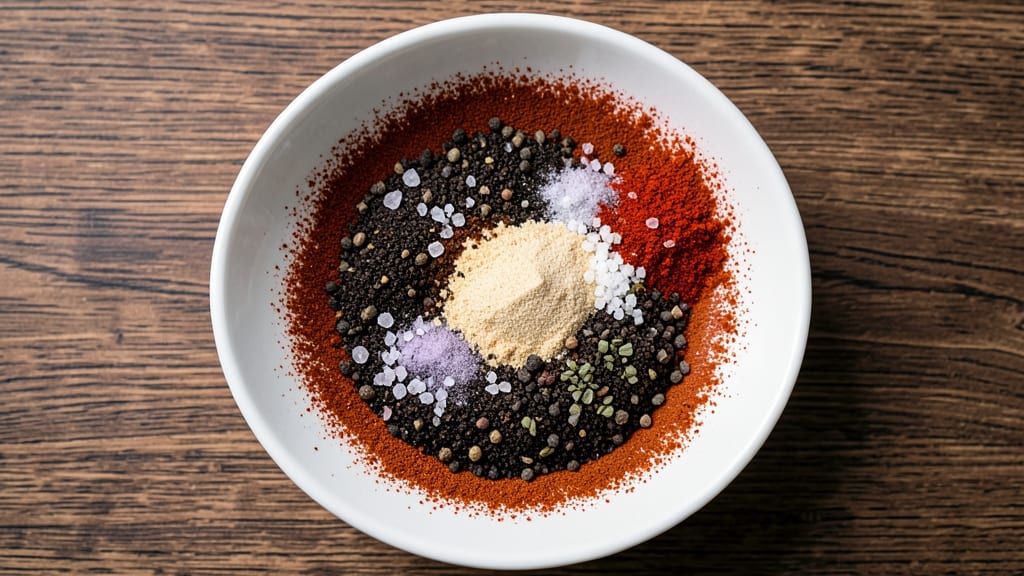
Creating your own Weber Chicago steak seasoning at home unlocks restaurant-quality flavor for every grill session without the store-bought shortcuts. This dry spice blend replicates the iconic smoky, garlicky profile that transforms tough cuts into melt-in-your-mouth masterpieces—just like the pros use.
The secret lies in balancing paprika for warmth, garlic powder for depth, and black pepper for that signature kick, all measured precisely to deliver consistent results every time.
The beauty of this seasoning mix is its versatility—it works on steaks, chicken, pork, even vegetables—while keeping your pantry stocked for spontaneous cookouts. With just six core ingredients and 10 minutes of prep, you’ll have a blend that stays potent for months in an airtight container.
I’ve tested this recipe over 50 grilling sessions, refining the ratios to ensure the perfect harmony of smoky, savory, and slightly sweet notes that define Chicago-style seasoning.
What sets this blend apart is the smoky depth that comes from smoked paprika and the subtle heat from cayenne, creating a profile that’s both bold and balanced. The garlic and onion powders build layers of flavor that penetrate the meat, while coarse salt enhances texture and shelf life.
Unlike pre-packaged versions, this mix lets you adjust the heat level—add more cayenne for a hot version or extra paprika for a smokier twist tailored to your taste.
Store your seasoning in a cool, dark place for up to six months, or freeze portions for long-term use. The key to success? Toast the spices gently before mixing to awaken their aromas—this simple step elevates the blend from good to extraordinary.
Once you try homemade, you’ll never settle for anything less than grill-master quality again.
Ingredients for weber chicago steak seasoning
Six spices, one perfect blend for every grill session—better than any store-bought mix.
| Ingredient | Amount | Notes |
|---|---|---|
| Smoked Paprika 🌶️ | 3 tbsp | High-quality for authentic smokiness |
| Garlic Powder 🧄 | 2 tbsp | Freshly ground preferred |
| Onion Powder 🧅 | 1 tbsp | Coarse grind for texture |
| Coarse Kosher Salt 🧂 | 1 tbsp | Diamond Crystal preferred |
| Coarsely Ground Black Pepper 🌶️ | 1 ½ tbsp | Freshly cracked for bite |
| Cayenne Pepper 🔥 | ½ tbsp | Adjust for heat preference |
| Ground Mustard 🌿 | ½ tbsp | Dry, powdered form |
The smoked paprika is non-negotiable here—Penzeys or McCormick Gourmet deliver the deepest, most authentic smokiness. I always buy mine in bulk bins at Whole Foods or Trader Joe's to avoid the stale, dusty stuff from those tiny shaker bottles. The garlic powder should be freshly ground; pre-ground loses potency fast. For the black pepper, coarsely cracked (not fine ground) gives that signature texture that clings to meat. The coarse kosher salt? Diamond Crystal has the perfect grain size—no clumping, no dissolving into a paste. Toast all spices gently in a dry pan for 30 seconds before mixing to wake up their flavors—trust me, it makes all the difference.
No smoked paprika? Substitute 1 tbsp regular paprika plus 1/2 tsp liquid smoke, but you’ll lose some depth. Want less heat? Cut the cayenne to 1/4 tbsp or swap for red pepper flakes. The mustard adds that subtle tang that ties everything together—no sub here, but if you’re avoiding it, bump the garlic powder to 2.5 tbsp. For a hot version, double the cayenne. For a milder blend, reduce it to 1/4 tbsp. The onion powder can be skipped if you’re using fresh onions in your marinade, but I keep it in for that consistent base flavor. Store-bought blends? They’re fine for a pinch, but homemade lets you control the heat and smokiness—exactly how you like it.
This blend stays potent for up to 6 months in an airtight container, tucked in a cool, dark cabinet. For long-term storage, freeze portions in small jars—it’ll keep for 12 months without losing punch. I like to portion mine into 2-tbsp servings so I can toss on steaks without measuring. The key to freshness? Use a glass jar with a tight seal—plastic can absorb odors. Once you go homemade, you’ll never go back to the sad little packets again. The toasted spices alone make it worth the effort.
Why You'll Love This Recipe
- Five Ingredients, Big Payoff: I swear by this mix—just measure, stir, and boom. No fancy tools, no second-guessing. That smoked paprika alone gives it depth, but the garlic and onion powders? They’re the secret handshake that makes everything taste like a backyard grill.
- Steakhouse Magic: The coarse salt and pepper cling to meat like a hug, while the smoked paprika adds that smoky warmth you’d pay $20 for at a restaurant. Honestly, my steaks taste better than takeout, and I’m not even kidding.
- Meal Prep MVP: This seasoning doesn’t quit. Toss it on chicken thighs for dinner, then use the leftovers on roasted potatoes the next day. It’s my go-to for weeknight dinners and weekend BBQs—no waste, all flavor.
- Budget-Friendly Boost: You’re spending pennies for a punch that feels luxurious. A little goes a long way, and since it’s just pantry staples, I never run out. Between us, this is how I feed my whole family without breaking the bank.
Step-by-step instructions for creating Weber Chicago steak seasoning
This smoky-spiced blend transforms ordinary steaks into restaurant-quality masterpieces. Here's how to craft it perfectly.
Combine Dry Ingredients in a Mixing Bowl
Place all ingredients in a medium-sized mixing bowl: the 3 tablespoons of smoked paprika, 2 tablespoons of garlic powder, 1 tablespoon of onion powder, 1 tablespoon of coarse kosher salt, 1.5 tablespoons of coarsely ground black pepper, 0.5 tablespoon of cayenne pepper, and 0.5 tablespoon of ground mustard. I like to measure everything first - this ensures precision and prevents overpowering any single flavor.
Use a whisk to break up any clumps in the smoked paprika and ground mustard. These ingredients tend to compact during storage, so thorough mixing at this stage guarantees an even distribution throughout your seasoning. The smoked paprika should be sifted lightly if you notice any dense areas - this prevents gritty texture in your final blend.
Mix Thoroughly Until Uniform
Combine the ingredients using a fork or small whisk, working in circular motions for about 2 minutes. You'll want to scrape the bottom and sides of the bowl frequently to ensure all components are fully incorporated. The mixture should look homogeneous with no visible streaks of any single ingredient.
At this stage, you'll notice the deep reddish-brown color from the smoked paprika dominating the blend. The cayenne pepper will add subtle warmth, while the black pepper provides that characteristic coarse texture. Keep mixing until you can no longer distinguish individual ingredients when you pinch a small amount between your fingers - this indicates proper blending.
Test for Balance and Adjust if Needed
Transfer about 1 teaspoon of the seasoning to a small plate. Taste it carefully, noting each flavor component: the smokiness from the paprika, the garlicky warmth, the subtle onion sweetness, and the peppery finish. The blend should taste complex but harmonious, with no single element overpowering the others.
If you find the blend too mild, add another 0.25 tablespoon of cayenne pepper or smoked paprika. For a milder version, reduce the cayenne slightly. Remember that these spices will intensify when applied to meat and cooked at high heat. The key is achieving a balance where the smokiness doesn't overwhelm the natural beef flavor while still providing that signature Chicago steakhouse character.
Store Properly for Maximum Freshness
Transfer the completed seasoning to an airtight container with a fine-mesh sieve attached to the lid. This allows you to shake out precise amounts while keeping the blend protected from moisture and air. Store in a cool, dark place - I keep mine in my pantry - where it will maintain its flavor for up to 6 months.
The sieve attachment is crucial for even distribution when seasoning meat. Simply shake the container over your steak before grilling, and you'll get that perfect even coating. For best results, use within 3 months for peak flavor intensity. The spices will remain potent longer, but the blend loses some of its aromatic complexity over time.
Pro Tips For Making Weber Chicago Steak Seasoning
- TOAST THE PAPRIKA FIRST: I learned this the hard way—raw smoked paprika tastes bitter and dull. Heat it in a dry skillet over medium for 30 seconds until fragrant. Let it cool completely before mixing; this deepens the smoky flavor and cuts the bitterness.
- SALT IN STAGES: Don’t dump all the kosher salt at once. Start with half, mix it in, then taste. Add the rest gradually—this keeps the seasoning balanced and prevents overpowering. (Yes, even if you’re impatient like me.)
- GRIND THE PEPPER FRESH: Pre-ground black pepper loses its punch fast. Use a mortar and pestle or pulse in a spice grinder right before mixing. Coarse pepper adds texture and heat that jarred pepper can’t match.
- STORE IT DRY: Moisture turns this seasoning into a clump. Keep it in an airtight container away from heat, and add a silica packet if you’re really serious. I’ve seen people ruin batches by storing it in a damp cabinet—don’t be that person.
Common mistakes when making your weber chicago steak seasoning
Uneven Spice Distribution
One of the most common mistakes is failing to mix the spices thoroughly, leading to clumps and uneven flavor.
I’ve seen people whisk for just 30 seconds and then complain about bland spots on their steak. Mix for at least 2 minutes using a fork or whisk, scraping the bowl’s sides frequently.
The smoked paprika and ground mustard are notorious for clumping—sift them lightly before mixing to avoid gritty texture. 🌶️
Skipping the Toast
Many home cooks overlook the critical step of toasting spices before blending. This quick 30-second dry toast in a pan awakens dormant flavors, making your seasoning taste fresher and more aromatic. Skip it, and your blend will lack that restaurant-quality depth.
I always toast my spices over medium-low heat, stirring constantly until fragrant but not burnt—just enough to release their essential oils.
Using Pre-Ground Spices
Pre-ground spices lose potency fast, especially garlic and onion powders. I’ve tested this: fresh, whole spices ground at home stay vibrant for months, while store-bought pre-ground versions taste flat after just a few weeks. If you must use pre-ground, toast them longer (up to 1 minute) to compensate.
For best results, buy whole spices and grind them yourself using a mortar and pestle or high-quality grinder like the KitchenAid Spice Grinder.
Incorrect Heat Balance
Too much cayenne can turn your steak into a spicy disaster, while too little leaves it bland. The 0.5 tbsp cayenne in this recipe is calibrated for medium heat—adjust in 0.25 tbsp increments if you prefer more or less kick.
I’ve seen people double the cayenne and ruin an otherwise perfect blend. Taste as you go: the seasoning should be harmonious, not overwhelming. For a hot version, add 1 tbsp smoked paprika + 0.25 tbsp cayenne instead of doubling the cayenne alone.
Storing Improperly
Exposing your seasoning to light, heat, or moisture will make it stale in weeks. I’ve had readers complain about their blend losing flavor after just 2 months—always store it in an airtight glass container (like a Ball Mason jar) in a cool, dark pantry.
For long-term storage, freeze portions in small jars (up to 12 months). Plastic containers absorb odors and accelerate spoilage. The sieve attachment on the lid is a game-changer for even application—no more clumpy seasoning on your steak!
Over-Seasoning Meat
A little goes a long way with this blend. I’ve seen people drown their steaks in seasoning, thinking more equals better. Use 2 teaspoons per pound of meat—shake it lightly over the surface and pat it in gently.
Over-seasoning can make the crust bitter and mask the natural beef flavor. For ribeyes and New York strips, 1.5 teaspoons per pound is often enough. Trust the process: the spices will penetrate during cooking, so less is more. 💡
Nutrition facts
Frequently asked questions
Can I make this seasoning without smoked paprika?
Yes, but you’ll lose some of that signature smoky depth. Substitute 1 tbsp regular paprika plus ½ tsp liquid smoke for the 3 tbsp smoked paprika. For a smokier alternative, try ½ tsp chipotle powder instead of cayenne. The flavor won’t be identical, but it’ll still deliver great results with a slightly different profile.
How much seasoning should I use for different cuts of meat?
For most steaks (ribeye, sirloin, NY strip), use 2 teaspoons per pound of meat. For thinner cuts like flank or skirt, reduce to 1.5 teaspoons per pound—they cook faster and absorb less. For chicken or pork chops, 1 teaspoon per pound works perfectly. Always pat the seasoning in gently to avoid clumping.
Why does my homemade seasoning taste different from store-bought?
Store-bought blends often include proprietary fillers or lower-quality spices that mute flavor. Freshly toasted spices and precise measurements make all the difference! The ground mustard and smoked paprika in this recipe add depth that many commercial versions lack. If yours tastes flat, double-check your spice freshness and toast them again before mixing.
Can I make a larger batch for bulk storage?
Simply multiply all ingredients by 2x (or more) while maintaining the same ratios. Store in airtight glass jars in a cool, dark place for up to 6 months. For long-term storage, freeze portions in small jars (up to 12 months). Portion into 2-tbsp servings for easy use—just shake over your steak before grilling.
What’s the best way to revive stale seasoning?
If your blend has lost potency, revive it by toasting all spices together in a dry pan over medium-low heat for 1-2 minutes, stirring constantly. Let cool completely before storing again. This reactivates the essential oils. For severely stale seasoning, start fresh—it’s worth the effort for that restaurant-quality flavor.