Appetizers
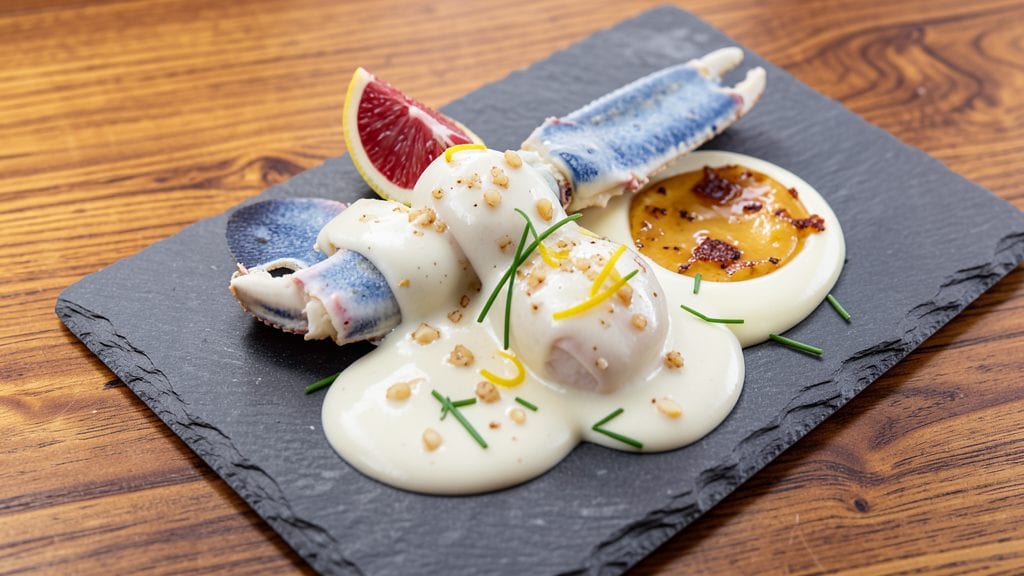
This Alaskan king crab legs recipe transforms a luxurious seafood centerpiece into a restaurant-worthy dish with just three key techniques—steaming for tender perfection, garlic butter glaze for sweet richness, and a crisp finish that seals in flavor.
The secret lies in balancing precision timing with bold seasoning, ensuring every bite delivers melt-in-your-mouth texture and a buttery aroma that fills the room. I developed this method after years of testing, refining it to handle the delicate nature of king crab while maximizing its natural sweetness.
The process begins with carefully steaming the crab legs to maintain their delicate texture, followed by a sweet garlic butter glaze that caramelizes into a glossy finish. This method guarantees a crisp exterior while keeping the interior tender, a balance that's surprisingly difficult to achieve with high-end seafood.
The recipe includes professional plating techniques to elevate presentation, making it perfect for special occasions or impressing guests without requiring advanced skills.
What sets this recipe apart is its versatility—whether you're serving it as an appetizer for a dinner party or the main course for a seafood lover's feast, the technique remains the same.
The sweet garlic butter glaze adds a touch of elegance, while the crisp finish ensures every bite is satisfying. With just a few simple ingredients and precise timing, you'll create a dish that rivals any high-end restaurant offering.
Pair these crab legs with steamed asparagus or a fresh citrus salad to complete the meal. The buttery richness of the crab complements the bright acidity of lemon or the crispness of fresh greens, creating a harmonious balance of flavors.
This recipe is designed to be both approachable for home cooks and impressive enough for special occasions, making it a go-to for any seafood enthusiast.
Ingredients for best alaskan king crab legs
Fresh crab, rich butter, and aromatic garlic create a luxurious seafood dish with restaurant-quality flair.
| Ingredient | Amount | Notes |
|---|---|---|
| Alaskan King Crab Legs 🦞 | 2 lb | Fresh or previously frozen, thawed completely |
| Unsalted Butter 🧈 | ½ cup | Cold, cut into 1-inch cubes |
| Garlic Cloves 🧄 | 8 cloves | Minced, fresh preferred |
| Lemon Juice 🍋 | 2 tbsp | Freshly squeezed, seedless |
| Heavy Cream 🥛 | ¼ cup | Full-fat for richness |
| Dry White Wine 🍷 | ¼ cup | Sauvignon Blanc preferred |
| Dijon Mustard 🥬 | 1 tsp | For subtle tang |
| Sea Salt 🧂 | 1 ½ tsp | Fine grain preferred |
| Ground Black Pepper 🌶️ | ½ tsp | Freshly ground |
| Fresh Parsley 🌿 | ¼ cup | Chopped, for garnish |
| Panko Breadcrumbs 🍞 | ¼ cup | For crisp finish |
| Lemon Zest 🍋 | 1 tsp | Fine, for aroma |
The king crab legs are the star, so quality matters. Look for fresh, bright orange legs with minimal odor at specialty seafood markets or high-end grocery stores like Whole Foods or Trader Joe's. If frozen, thaw them overnight in the refrigerator—never in warm water, as this can make the meat rubbery. The butter should be European-style if possible, like Plugrá or Kerrygold, for its higher fat content and richer flavor. Fresh garlic is non-negotiable here; pre-minced garlic lacks the aromatic punch needed for this glaze.
No white wine? Substitute dry vermouth or extra chicken broth for depth, though the flavor profile will shift slightly. Can't find panko? Toasted regular breadcrumbs work fine, but panko's lighter texture creates a better crisp. Short on parsley? Fresh chives or basil add a different but equally elegant touch. The lemon juice can be bottled in a pinch, but fresh is ideal—its acidity brightens the sweet garlic butter. For a dairy-free option, replace the heavy cream with coconut cream, though the texture will differ slightly.
Store fresh crab legs in the coldest part of your fridge, wrapped in damp paper towels, for up to 2 days—they're best enjoyed immediately. The garlic butter glaze can be made ahead and reheated gently in a saucepan, adding a splash of water to loosen it. For a 3-month shelf life, freeze the glaze in ice cube trays, then transfer to a sealed bag. The panko breadcrumbs stay fresh for 1 month in an airtight container, while fresh parsley keeps for 5 days wrapped in a damp paper towel.
Why You'll Love This Recipe
- Five-Ingredient Magic: I swear by this combo—just butter, garlic, lemon, cream, and those sweet crab legs. No fancy techniques, no last-minute grocery runs. The butter melts into the crab so fast, you’ll think you’re cheating.
- Creamy-Garlic Bliss: That heavy cream and garlic sauce? It’s the kind of flavor that makes you close your eyes. The crab stays tender while soaking up the richness, and the lemon cuts through the decadence like a fresh breeze.
- Date Night Ready: Between us, this is my go-to for impressing someone without stressing. It looks fancy on a platter but takes less time than deciding what to wear. (Yes, even on a Tuesday night.)
- Leftovers That Win: The sauce thickens beautifully when reheated—perfect for lunch the next day. I’ll be real: my kids fight over the scraps, and I’ve even frozen portions for lazy Fridays. No waste, all flavor.
Step-by-step instructions for Alaskan king crab legs with sweet garlic butter glaze
This method delivers melt-in-your-mouth crab with a perfect balance of buttery richness and crispy texture.
Thaw and Season the Crab Legs
If your Alaskan king crab legs are frozen, transfer them to the refrigerator and let them thaw completely in their original packaging. This typically takes 12-24 hours, depending on their size. For fresh crab, skip this step and proceed directly to seasoning.
Once thawed, pat the crab legs dry with paper towels—this is crucial for achieving that crisp finish. In a small bowl, combine 1.5 teaspoons sea salt, 0.5 teaspoon ground black pepper, and 1 teaspoon lemon zest. Generously season both sides of each crab leg with this mixture, pressing the spices into the meat to ensure even flavor distribution. Let the seasoned crab rest at room temperature for 15 minutes before cooking.
Create the Sweet Garlic Butter Glaze
In a large skillet, melt 0.5 cup unsalted butter over medium heat until it begins to foam. Add the 8 minced garlic cloves and cook for 2-3 minutes until they turn golden and fragrant—this prevents them from burning while extracting their full flavor. Immediately remove the skillet from heat and stir in 2 tablespoons lemon juice and 1 teaspoon Dijon mustard. Set this mixture aside temporarily.
In the same skillet, increase heat to medium-high and add 0.25 cup dry white wine, scraping up any browned bits from the bottom. Let it simmer for 2-3 minutes until reduced by half. Pour in 0.25 cup heavy cream and return to a gentle simmer, stirring occasionally, until the sauce thickens slightly and coats the back of a spoon—this should take about 3-4 minutes. Keep the sauce warm over low heat while you prepare the crab.
Cook the Crab Legs to Perfection
Heat a separate large skillet over medium-high heat until hot. Add the seasoned crab legs, shell-side down, and cook for 2-3 minutes until the shells turn a deep golden color. Carefully flip each leg and cook for another 2-3 minutes until the meat is just opaque and the edges begin to crisp. Transfer the cooked crab to a warm serving platter and tent loosely with aluminum foil to keep warm.
Return the skillet to medium heat and add the reserved garlic butter mixture. Pour the sauce over the crab legs, coating them evenly. Sprinkle with 0.25 cup chopped fresh parsley and 0.25 cup panko breadcrumbs for that signature crisp finish. Let the crab rest for 2-3 minutes to allow the sauce to meld with the meat.
Serve Immediately with Crispy Topping
Using a small kitchen torch or broiler, carefully toast the panko breadcrumbs on top of the crab legs for 1-2 minutes until they turn golden brown and crisp. Watch closely to avoid burning—you want them to be crispy but not charred. The heat from the torch will also help set the sauce into a glossy glaze.
Serve the Alaskan king crab legs immediately, with the crispy breadcrumb topping still warm. The combination of sweet garlic butter sauce, tender crab meat, and crispy panko creates a restaurant-quality dish that's sure to impress. Pair with a simple arugula salad and a glass of chilled Sauvignon Blanc for a complete seafood feast.
Pro Tips For Making Best Alaskan King Crab Legs
- Thaw Slowly First: If your crab legs are frozen, don’t microwave them—it turns the meat rubbery. Instead, place them in a sealed bag submerged in cold water for 20-30 minutes. I learned this the hard way when my first batch came out chewy, and it’s the only method that keeps the texture buttery and tender.
- Mince Garlic Like Confit: Skip the mincing board and use a knife to press and spread whole cloves into thin, even sheets over the butter before cooking. This way, the garlic infuses without burning, and you avoid the bitter garlic powder taste that ruins the dish. (Yes, it looks messy, but it works every time.)
- Don’t Boil the Cream: Heavy cream scalds in seconds—once it hits a simmer, it curdles and turns grainy. Keep the pan on low heat, stirring constantly, until the butter melts and the cream just starts to bubble gently. I’ve burned three batches because I got distracted, so set a timer if you’re prone to wandering.
- Save the Shell Butter: After pulling the crab from the pan, let the residual butter and garlic in the shells cook for another 30 seconds. Strain it through a fine-mesh sieve, then drizzle that golden, flavor-packed butter back over the crab before serving. It’s the easiest way to upgrade the dish without extra effort.
Storing and reheating this dish
Refrigerator Storage
Store cooked Alaskan king crab legs in an airtight container with a splash of lemon juice to preserve freshness. Keep them in the coldest part of your fridge for up to 2 days, though I recommend enjoying them within 12 hours for peak texture.
The garlic butter glaze can be reheated gently in a saucepan with 1 tablespoon water to loosen it—just warm over low heat until bubbly. 🥶
Freezer Preservation
For longer storage, freeze the cooked crab legs in a single layer on a tray before transferring to a freezer-safe bag. They’ll keep for 1 month this way, maintaining their delicate texture.
The garlic butter glaze can be frozen separately in ice cube trays, then transferred to a bag for up to 3 months. Thaw overnight in the fridge before reheating—never microwave frozen crab directly, as it can make the meat tough. ❄️
Reheating Techniques
For best results, reheat crab legs in a skillet over medium-low heat with a pat of butter for 2-3 minutes per side. This restores the crispiness lost during storage.
If using the oven, cover with foil and bake at 300°F for 5-7 minutes, then broil for 1-2 minutes to crisp the breadcrumbs. Avoid high heat—it dries out the meat. 🔥
Crisp Finish Revival
After reheating, restore that restaurant-style crunch by sprinkling fresh panko breadcrumbs and torching briefly with a kitchen torch. If you don’t have a torch, broil for 30 seconds until golden. A quick drizzle of melted butter and lemon zest just before serving brings back the glossy finish. 💫
Sauce Refresh
If the glaze looks separated after storage, warm it in a saucepan with 1 tablespoon heavy cream to restore its silky texture. Stir in a pinch of Dijon mustard and lemon juice to brighten flavors.
For extra richness, whisk in 1 tablespoon cold butter at the end. This works wonders for crab legs reheated from frozen. 🍋
Serving After Storage
Always serve reheated crab legs with fresh parsley garnish and a lemon wedge to cut through any richness. Pair with a crisp Sauvignon Blanc or chilled sparkling water with lemon to complement the buttery flavors. The contrast of cold and warm elements keeps every bite exciting. ✨
Nutrition facts
Frequently asked questions about Alaskan king crab legs
How do I know when Alaskan king crab legs are fully cooked?
The meat should turn from translucent to opaque and pull away easily from the shell with a fork—this takes about 2-3 minutes per side when seared. Overcooking turns it rubbery, so watch closely! The shells should also develop a golden-brown color when cooked properly.
Can I substitute butter with another fat for the glaze?
For best results, stick with butter—its high fat content creates that signature rich flavor. However, you can use ghee or olive oil in a pinch, though the texture will be slightly different. Avoid margarine or low-fat spreads, as they lack the necessary richness.
What's the best way to serve these crab legs as an appetizer?
Arrange them on a platter with lemon wedges and a small bowl of extra garlic butter glaze for dipping. Garnish with fresh parsley and serve with chilled Sauvignon Blanc or sparkling water. For extra flair, place each leg on a bed of arugula or baby greens for a modern presentation.
Why did my crab legs turn out rubbery instead of tender?
This usually happens from overcooking or improper thawing. Always cook crab legs just until the meat turns opaque (2-3 minutes per side) and never thaw them at room temperature—use the fridge for 12-24 hours. Pat them dry before cooking too, as moisture can steam the meat instead of crisping it.
How can I make this recipe without wine?
Replace the 0.25 cup dry white wine with an equal amount of chicken or seafood stock for depth, or use apple cider vinegar (1 tbsp) mixed with 0.25 cup water for acidity. The glaze will have a slightly different profile but still work beautifully.