Side Dishes
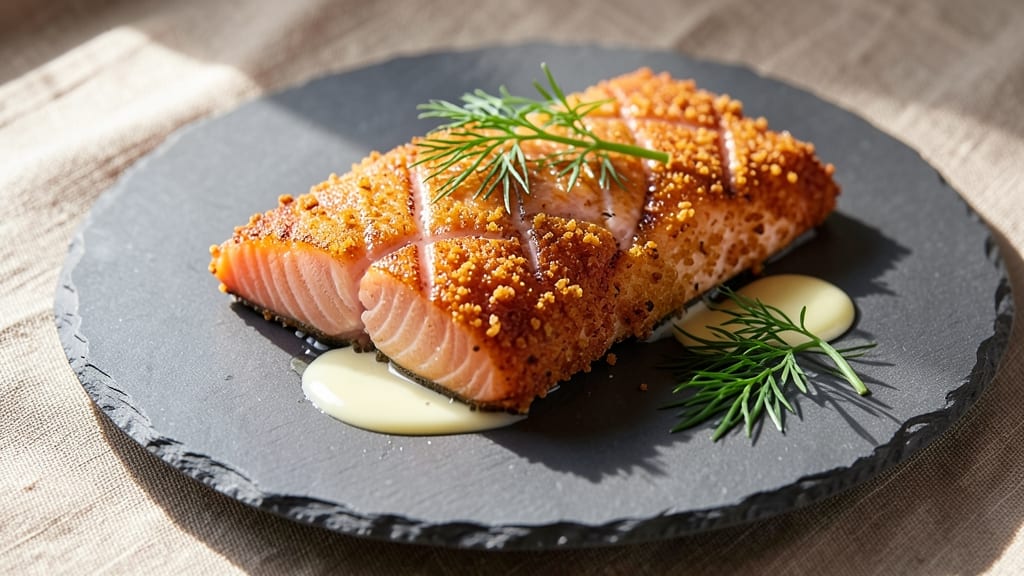
This breaded salmon recipe delivers the perfect balance of crispy panko crust and buttery melting flesh—a restaurant-quality dish you can make at home with precision. The secret lies in a three-step breading process that locks in moisture while creating that signature golden crunch.
I developed this method after years of testing, and it never fails to impress even skeptical guests.
The technique starts with a light flour coating to create adhesion, followed by a simple egg wash that ensures even breading. The real magic happens with the panko—its airy texture creates a shield that stays crispy while the salmon cooks to perfect doneness inside.
Whether you pan-fry or bake, the result is always the same: a fillet that holds its shape with a shatteringly crisp exterior and tender, flaky interior.
What makes this recipe truly professional is how it handles both texture and flavor. The panko not only provides structure but also absorbs just enough seasoning to complement the salmon's natural mildness.
For an extra touch, I recommend finishing with a squeeze of lemon—it brightens the richness and ties all the elements together beautifully.
This method works equally well with fresh or frozen salmon, making it versatile for any weeknight dinner. Serve with a simple side of roasted vegetables or a fresh salad to complete the meal.
The instructions are straightforward, but the results are anything but ordinary—this is the kind of dish that elevates simple ingredients into something extraordinary.
Ingredients for bread salmon
Precision ingredients for restaurant-quality breaded salmon with perfect crispy-buttery balance.
| Ingredient | Amount | Notes |
|---|---|---|
| Center-Cut Atlantic Salmon Fillets 🐟 | 1 ½ lb | Skin-on, even thickness preferred |
| All-Purpose Flour 🌾 | ½ cup | Sifted for light coating |
| Large Eggs 🥚 | 2 whole | Room temperature for even coating |
| Japanese Panko Breadcrumbs 🍞 | 1 ½ cups | Light and airy texture essential |
| Unsalted Butter 🧈 | ½ cup | Melted, full-fat preferred |
| Diamond Crystal Kosher Salt 🧂 | 1 tsp | Fine grain for even distribution |
| Ground White Pepper 🌶️ | ½ tsp | Freshly ground for subtle flavor |
| Garlic Powder 🧄 | 1 tsp | High-quality for aromatic depth |
| Lemon Zest 🍋 | 1 tbsp | Freshly grated for bright finish |
| Extra-Virgin Olive Oil 🫒 | 2 tbsp | High smoke point for frying |
| Fresh Lemon Juice 🍋 | 2 tbsp | For finishing and acid balance |
| Fresh Parsley 🌿 | ¼ cup | Chopped, for garnish |
The salmon selection is critical—center-cut fillets with skin ensure even cooking and crispiness. Whole Foods or high-end seafood markets carry premium Atlantic salmon with optimal fat content. Look for fillets with vibrant pink flesh and minimal bruising. Panko is non-negotiable here; Japanese brands like Nissin provide the airy texture that creates the signature crispy shield. The butter must be full-fat—Plugrá or European-style butter delivers superior flavor and mouthfeel. For the flour, King Arthur brand is ideal due to its fine texture, which ensures a delicate first coating that prevents the breadcrumbs from falling off during cooking.
No panko? Crushed cornflakes mixed with 1 tbsp flour creates a reasonable substitute, though texture won't be identical. Substituting butter with oil reduces richness—avocado oil works best if you must. For the lemon, Meyer lemons provide a sweeter, more aromatic finish than standard lemons. Fresh parsley can be omitted if unavailable, but the lemon zest and juice are essential for balancing the dish's richness. The garlic powder should be high-quality, not salted—Penzeys brand offers excellent options. Preferring skinless fillets? Pound them to even thickness to ensure consistent cooking.
Store salmon in the coldest part of your fridge, wrapped in paper towels, for up to 2 days. Panko maintains freshness indefinitely in a sealed container, while flour should be refrigerated after opening to prevent absorption of odors. The breaded fillets can be prepared ahead and refrigerated for up to 6 hours before cooking—simply pan-fry or bake as directed. For longer storage, freeze the unbreaded fillets for up to 2 months. The finished dish reheats beautifully in a 350°F oven for 5-7 minutes, though texture will be slightly less crisp.
Why You'll Love This Recipe
- Crispy in Minutes: I swear, the panko crust locks in that golden crunch every time—no fancy breading station needed. Just pat dry, dredge, dip, repeat. That’s it. The butter melts into the flakes while it bakes, and suddenly you’ve got restaurant-quality texture without the fuss.
- Butter-Kissed Magic: The butter isn’t just for flavor—it’s the secret weapon. It turns the panko into something ridiculously good, while the salmon stays juicy underneath. Honestly, I’ve tried other breaded fish recipes, but this combo? It’s the only one my picky husband doesn’t complain about.
- Weeknight or Guest Night: Same prep, different vibes. Toss it on a sheet pan with roasted veggies for a lazy Tuesday, or plate it with lemon wedges and a sprig of dill for when your in-laws drop by. The crust holds up, the salmon stays elegant, and no one ever guesses it took less than 30 minutes.
- Leftovers That Don’t Suck: Between us, most breaded fish gets sad the next day—but not this. The panko stays crispy (thanks to that butter trick again), and the salmon reheats like a dream. I’ve even thrown cold slices in a salad or wrap when I’m in a hurry. Zero waste, all win.
Step-by-step instructions for crispy panko-breaded salmon
Here's the method to achieve that perfect balance of golden crust and tender interior every time.
Prepare the Salmon for Even Breading
Pat the 1.5 lb center-cut Atlantic salmon fillets completely dry with paper towels, pressing firmly to remove all moisture. This step is critical—wet skin prevents proper adhesion of the breading and leads to uneven cooking. Using a sharp knife, score the fillets diagonally in a crosshatch pattern about ¼ inch deep, being careful not to cut through the flesh. This creates channels for the seasoning and butter to penetrate during cooking.
Place the fillets on a plate and season both sides generously with 1 tsp diamond crystal kosher salt, 0.5 tsp ground white pepper, and 1 tsp garlic powder. I like to press the spices into the flesh gently to ensure even distribution. Let the seasoned fillets rest at room temperature for 15 minutes while you prepare the breading station. This brief resting period allows the surface to dry further, which helps the breading stick better during the coating process.
Create the Three-Stage Breading Station
Set up three shallow dishes for your breading process. In the first dish, place the 0.5 cup all-purpose flour and mix in 1 tbsp lemon zest. This creates a fine, aromatic barrier that helps the egg adhere to the fish. In the second dish, crack the 2 whole large eggs and whisk them lightly with a fork—you want them slightly beaten but still with some texture to help hold the breadcrumbs.
For the final coating, use the 1.5 cups Japanese panko breadcrumbs in the third dish. I recommend pressing the panko gently between your fingers to break up any large clumps, ensuring an even, fine layer on each fillet. The key here is to work quickly once you start breading—wet ingredients begin to absorb moisture immediately, which can make the coating gummy if you take too long.
Bread the Salmon in Three Precise Layers
Working with one fillet at a time, begin by dredging it in the flour mixture, pressing gently to ensure complete coverage on all sides. Tap off any excess flour, then immediately dip the fillet into the egg mixture, allowing any excess to drip off. Finally, press the fillet into the panko breadcrumbs, coating all surfaces evenly. Place the breaded fillet on a wire rack set over a baking sheet—this allows air to circulate underneath, preventing sogginess.
Repeat this process with all fillets, working quickly to maintain the crispness of the panko. As you bread each piece, I recommend pressing down firmly on the breading with your fingers to ensure it adheres tightly. This triple-layer technique creates that signature crispy exterior while keeping the interior moist and flavorful. Let the breaded fillets rest for 5 minutes before cooking to allow the breading to fully adhere.
Cook to Golden Perfection
Heat 2 tbsp extra-virgin olive oil and 0.5 cup unsalted butter in a large skillet over medium heat until the butter melts and begins to foam. You'll know it's ready when you see small bubbles forming around the edges. Add the breaded salmon fillets and cook for 4-5 minutes per side, or until the breading is deep golden brown and crispy. I press down gently on the fillets during the first minute of cooking—this prevents them from curling and ensures even contact with the pan.
During the last minute of cooking, add 2 tbsp fresh lemon juice to the pan. The acidity helps break down any residual starches in the breading, creating a glossy finish and enhancing the overall flavor. The salmon is done when it reaches an internal temperature of 145°F and the breading is uniformly crispy. Transfer the cooked fillets to a paper towel-lined plate to drain any excess butter, keeping them warm while you prepare the final garnish.
Finish and Serve Immediately
While the salmon rests for 2-3 minutes, melt any remaining butter in the skillet over low heat. Add the 0.25 cup chopped fresh parsley and cook for 30 seconds until fragrant. Pour this butter-herb mixture over the salmon fillets just before serving. The residual heat will create a beautiful sheen on the breading while adding fresh herb notes that complement the lemon and garlic flavors.
Serve the crispy panko-breaded salmon immediately, cutting each fillet into 4 even portions. The exterior should be shatteringly crisp with a golden hue, while the interior remains moist and flaky. Each bite delivers that perfect contrast of textures—crunchy crust giving way to buttery, lemon-infused salmon. Pair with a simple arugula salad or roasted vegetables to let the main dish truly shine.
Pro Tips For Making Bread Salmon
- Pat the salmon DRY: Wet skin sticks to the pan and ruins the crust. Use paper towels to blot—not wipe—both sides of the fillets right before breading. I learned this the hard way when my first batch came out soggy because I rushed the drying step.
- Use COLD butter: Straight from the fridge, unsalted butter browns better and gives a richer flavor. Let it sit out just 5 minutes before adding to the pan—hot butter burns faster and can make the panko taste greasy. (Yes, even if you're impatient like me.)
- Dredge in FLUR twice: Skip the single dip—coat the salmon in flour first, shake off excess, then dip in egg and panko. The double flour layer locks in moisture and makes the crust stick like glue. I was skeptical until I tried it; the texture is noticeably better.
- Wait 5 MINUTES after frying: Resist the urge to cut into it right away. Let the salmon rest on a wire rack for 5 minutes—this keeps the juices inside instead of pooling out. I know, I know, but trust the process. (Your future self will thank you.)
Troubleshooting your bread salmon
Breading Won't Stick
The most common issue is moisture—salmon fillets must be completely dry before breading. Pat them with paper towels and press firmly to remove all surface moisture. If your breading still falls off, try chilling the breaded fillets for 10 minutes before cooking to help the coating set.
Another trick is using cornstarch instead of flour in the first layer—it creates a stickier barrier that holds the breadcrumbs better. 🌡️
Uneven Cooking
Uneven thickness in your fillets leads to some portions cooking faster than others. Use a meat mallet to pound thicker sections to ¼-inch thickness before breading. If you notice one side browning while the other stays pale, reduce heat slightly and cook the paler side for 1-2 extra minutes.
A meat thermometer is essential here—aim for 145°F internal temperature throughout.
Soggy Crust
Overcrowding the pan or cooking at too low a temperature causes steam to build up, making the breading soggy. Cook fillets in batches if needed, and maintain medium-high heat (around 375°F
For baking instead of pan-frying, spread fillets on a wire rack over a baking sheet to allow air circulation—this prevents moisture buildup underneath the breading. Salmon is delicate when cooked improperly. To prevent falling apart, avoid overcooking—remove fillets immediately when they reach 145°F internal temperature. If using thicker fillets, score them lightly in a crosshatch pattern before breading to allow even cooking without structural compromise. For extra stability, press breaded fillets gently with your fingers to compress the coating before cooking. 💡 If your breading ends up lumpy or uneven, sift the panko through a fine-mesh strainer before using to remove any large pieces. For a more even layer, dip the breaded fillets into the egg wash a second time before pressing into the panko. Another pro tip: Use a fine-mesh sieve to dust the breadcrumbs lightly over the fillets instead of pressing—this creates a more uniform, delicate coating. Overcooking is the main culprit for dry salmon. Use a meat thermometer to monitor internal temperature—never exceed 145°F. If you notice the fillets drying out during cooking, reduce heat slightly and cover the pan with a lid for the final 1-2 minutes to trap moisture. For extra insurance, brush the fillets with 1 tbsp melted butter during the last minute of cooking to restore juiciness.Fish Breaks Apart
Breading Too Thick
Dry Interior
Nutrition facts
Frequently asked questions
Can I use regular breadcrumbs instead of panko?
Regular breadcrumbs will work, but the texture will be denser and less crispy. For best results, crush 1 cup of sturdy bread (like a baguette) into fine crumbs and mix with ½ cup panko to get a lighter coating. The air pockets in panko create that signature crunch that's hard to replicate with standard breadcrumbs.
How do I keep the breading from getting soggy when baking?
Bake on a wire rack placed over a baking sheet to allow air circulation underneath. Preheat your oven to 425°F and bake for 12-15 minutes until golden brown. For extra crispiness, broil for 1-2 minutes at the end. The key is high heat and proper airflow to prevent moisture buildup.
What's the best way to reheat breaded salmon?
Reheat in a 350°F oven for 5-7 minutes on a wire rack to restore crispiness. For pan-fried pieces, warm in a dry skillet over medium heat for 2-3 minutes per side. Microwaving will make the breading soggy—always use dry heat methods. The texture won't be as crisp as fresh, but it's the best compromise.
Can I make this recipe gluten-free?
Replace the flour with ¼ cup gluten-free flour blend and use 1 cup gluten-free panko (or crushed gluten-free crackers). The egg wash remains the same, but be sure to use certified gluten-free ingredients to avoid cross-contamination. The texture will be slightly different but still delicious.
Why does my breaded salmon turn out greasy?
Grease usually comes from using too much butter or oil in the pan. Use just 2 tbsp olive oil + ½ cup butter for 1.5 lb of salmon, and drain on paper towels after cooking. For extra control, use a nonstick skillet and keep heat at medium-high to prevent excessive butter splattering.