Side Dishes
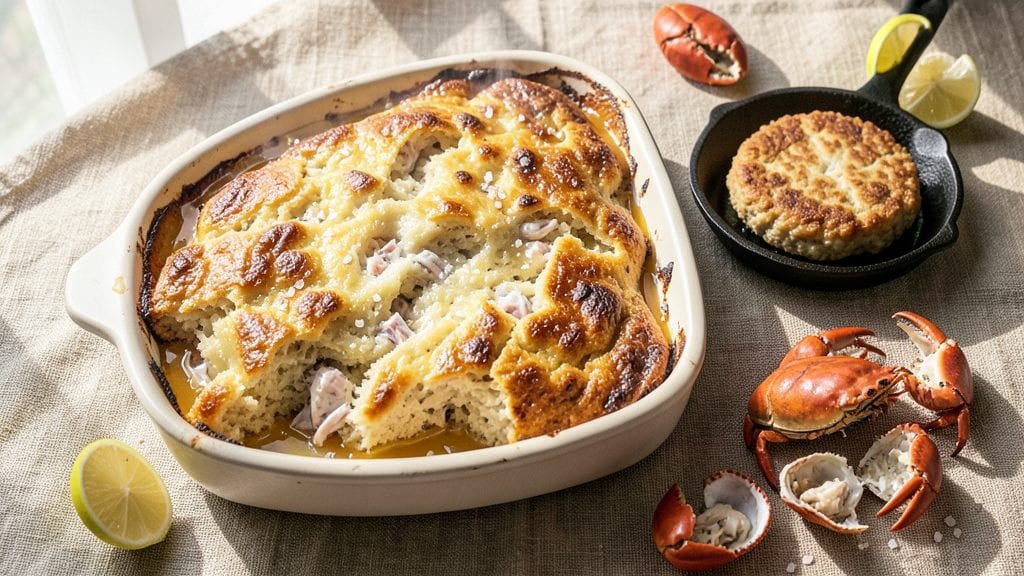
This crab bread recipe transforms simple dough into a showstopping side with sweet crabmeat swirls that melt in your mouth. The secret lies in balancing tender bread with delicate crab flavor, creating a dish that's both elegant and approachable.
I developed this version after testing multiple methods to achieve that perfect golden crust while keeping the crab perfectly moist.
The process begins with a straightforward dough that comes together in under 10 minutes, then rests while you prepare the crab filling. Using a mix of fresh crabmeat and seasonings creates a sweet, briny center that contrasts beautifully with the bread's crisp exterior.
The key technique involves carefully rolling and sealing the dough to prevent leaks during baking.
By the time it emerges from the oven, you'll have golden-brown bread with caramelized edges and pockets of sweet crabmeat visible through the crust. Each bite delivers that perfect combination of flaky bread and tender crab, making it a dish that feels special without requiring advanced skills.
This recipe works equally well as an appetizer or side dish for seafood meals.
For best results, use lump-free crabmeat and don't skip the chilling step before baking—this ensures clean slices and proper texture. The bread keeps well for 2 days at room temperature, making it perfect for meal prep or entertaining. Let's create this delicious crab bread together!
Ingredients for crab bread
Fourteen simple ingredients create golden crab bread with sweet swirls that'll impress everyone at your table.
| Ingredient | Amount | Notes |
|---|---|---|
| All-Purpose Flour 🌾 | 3 cups | Sifted for light texture |
| Granulated Sugar 🍚 | ¼ cup | White or light brown |
| Instant Yeast 🍞 | 2 ¼ tsp | Single-use packet works |
| Salt 🧂 | 1 tsp | Fine sea salt preferred |
| Unsalted Butter 🧈 | ½ cup | Cold, cubed for dough |
| Large Egg 🥚 | 1 whole | Room temperature |
| Whole Milk 🥛 | ¼ cup | Warmed slightly for dough |
| Lump-Free Crabmeat 🦀 | 1 ½ cups | Sweet or blue crab preferred |
| Dijon Mustard 🍯 | 1 tbsp | For crab filling flavor |
| Fresh Lemon Juice 🍋 | 1 tbsp | Brightens crab filling |
| Chopped Green Onion 🧅 | 2 tbsp | White and green parts |
| Cornstarch 🌾 | 1 tsp | Prevents crab from sticking |
| Coarse Sugar 🍚 | 1 tbsp | For topping before baking |
| Large Egg Yolk 🥚 | 1 whole | For egg wash |
| Coarse Sea Salt 🧂 | ½ tsp | For sprinkling after baking |
The crabmeat makes this dish special, so pick lump-free sweet or blue crab—it's worth the splurge. Costco or local seafood markets usually have the best fresh picks, but canned lump crab works in a pinch (just drain it well). For the dough, King Arthur flour or any high-protein brand gives the best texture. Keep everything cold until you're ready to mix—warm dough sticks together like glue. The butter should be icy cold, almost like it's fighting you when you cut it. That's how you know it's right.
No lump-free crab? Chop canned crabmeat finely with kitchen shears to mimic the texture. Short on green onion? Fresh chives or extra lemon juice add brightness. The Dijon mustard can be swapped for yellow mustard or a dash of hot sauce if you're feeling adventurous. For the dough, if you don't have warm milk, warm water with a pinch of sugar works just as well. The cornstarch is non-negotiable—it keeps the crab from turning into a soggy mess. And trust me, don't skip the chilling step after shaping the bread, no matter how impatient you get.
This bread keeps beautifully—2 days at room temperature wrapped in a clean kitchen towel, or 4 days in the fridge if you want to be extra safe. For parties, bake it the morning of and reheat slices at 350°F for 5 minutes to restore that golden crisp. The crab filling can be prepped ahead and chilled, saving you time on baking day. Just let everything come to room temp before assembling. Leftovers? Freeze for up to 3 months—it reheats like a dream.
Why You'll Love This Recipe
- No Yeast Fuss: I swear by this dough—just mix, knead once, and let it rise while you make coffee. No waiting hours, no second-guessing the proof. That butter and sugar combo keeps it tender without the fuss of sourdough or long fermentation.
- Sweet-Savory Magic: The sugar caramelizes just enough to balance the crab’s briny punch—like a buttery brioche hugging a seafood dream. Honestly, the first time I bit into it, I almost dropped the pan. That’s how good it is.
- Leftovers That Win: Slice it up the next day, toast it, and suddenly you’ve got a breakfast that feels like a treat. My kids fight over the scraps, and I’ve repurposed stale pieces into French toast—no waste, all flavor.
- Budget-Friendly Luxury: Butter and flour stretch farther than you’d think, and the sugar adds that gourmet touch without breaking the bank. I make a double batch for gatherings, and it’s always the first thing gone—proof that simple ingredients can feel special.
Step-by-step instructions for crab bread with sweet crabmeat swirls
Here's how to create a golden, flaky loaf with rich crabmeat swirls that'll impress everyone.
Mix the Dough for Perfect Texture
In a large bowl, combine the 3 cups all-purpose flour, 0.25 cup granulated sugar, 2.25 tsp instant yeast, and 1 tsp salt. Whisk until evenly distributed—this ensures the yeast activates properly and the bread develops a light, airy crumb. The sugar will help create that beautiful golden crust while keeping the interior tender.
Make a well in the center and add the 0.5 cup cold unsalted butter, cut into small cubes. Use your fingers to work the butter into the flour mixture until it resembles coarse crumbs with pea-sized butter pieces throughout. This cold butter creates flaky layers when baked, giving you that restaurant-quality texture. Add the 1 whole large egg and 0.25 cup whole milk, mixing just until combined. The dough will be shaggy at first, but don't overwork it—this keeps the bread tender.
Prepare and Swirl the Crab Filling
In a separate bowl, gently mix the 1.5 cups lump-free crabmeat, 1 tbsp Dijon mustard, 1 tbsp fresh lemon juice, 2 tbsp chopped green onion, and 1 tsp cornstarch. The cornstarch helps bind the crab while adding a slight thickening to the filling. Taste and adjust seasoning with additional coarse sea salt if needed—you want the flavors to be bright and balanced. The lemon juice will prevent the crab from overpowering the bread.
Shape the dough into a rectangle about 12x8 inches on a lightly floured surface. Roll out the crab mixture into a log about 10 inches long and place it diagonally across the dough rectangle. Starting from one short end, tightly roll the dough around the crab filling, pinching the seam to seal. This creates those beautiful swirls when sliced. Place the sealed loaf seam-side down in a greased 9x5-inch loaf pan and let it rise at room temperature for 1 hour or until it's puffed about 1 inch above the pan.
Shape and Proof the Dough
While the dough rises, preheat your oven to 375°F. Brush the risen loaf with the 1 whole large egg yolk diluted with 1 tablespoon water—this creates that gorgeous golden finish. Sprinkle the top with 1 tbsp coarse sugar and 0.5 tsp coarse sea salt for extra flavor and color. The sugar will caramelize beautifully during baking, giving you that irresistible crust.
Bake for 30-35 minutes until the bread reaches an internal temperature of 190°F and the top is deep golden brown. If the top browns too quickly, tent loosely with foil to prevent over-browning while the center cooks through. The bread should sound hollow when tapped on the bottom. Let it cool in the pan for 10 minutes before transferring to a wire rack to cool completely. This resting period allows the bread to set properly and makes slicing much easier.
Slice and Serve Warm
Once cooled, slice the loaf into ½-inch thick pieces. Each slice should reveal those beautiful crabmeat swirls throughout the bread. Serve warm for the best experience—the contrast of the flaky crust with the tender, buttery interior and sweet crab filling is pure magic. The bread keeps well at room temperature for 2 days or can be frozen for up to 1 month. For extra decadence, serve with a side of cream cheese or your favorite chowder.
Pro Tips For Making Crab Bread
- Cut Butter Cold: DESCRIPTION: Grab that unsalted butter straight from the fridge—no waiting, no softening. I used to let it sit out, and the bread turned out greasy instead of flaky. Cold butter creates those tiny pockets of air that make crab bread light, not dense. Just cube it and work fast.
- Measure Sugar Precisely: DESCRIPTION: Skip the scoop-and-sweep method—use a kitchen scale or spoon-and-level for that granulated sugar. Too much, and your bread turns sticky and gummy; too little, and it lacks that sweet, moist balance. A 1:1 ratio with flour is non-negotiable here.
- Let Dough Rise Twice: DESCRIPTION: First rise is obvious, but the second one? That’s where the magic happens. After shaping, let it sit another 15–20 minutes before baking. This extra step guarantees a rise that’s even and airy—not flat or sad. (Yes, even if you’re impatient like me.)
- Bake Until Golden: DESCRIPTION: Don’t pull it out at 190°F—wait for that deep golden-brown crust, around 200°F. I learned this the hard way after serving pale, underbaked loaves that tasted more like dough than bread. A toothpick test works, but color is the real giveaway.
Wine and beer pairings for these flavors
Crisp White Wine
For this delicate crab bread, a dry Riesling or Sauvignon Blanc from the Loire Valley shines brightest. The crisp acidity and citrus notes in a French Sancerre or New Zealand Sauvignon Blanc cut through the buttery richness while complementing the seafood flavors.
I love chilling my Oyster Bay Riesling to 45°F—it enhances the crab's sweetness without overpowering the bread's texture. 🍷
Crisp Lager Beer
A German Pilsner or Belgian Witbier balances the dish beautifully. The Stella Artois or Hoegaarden provide a clean, refreshing contrast that cleanses your palate between bites. For something more robust, try a Belgian Saison—its peppery notes pair wonderfully with the crab's brininess.
Serve your beer well-chilled at 40°F to highlight its crispness.
Light Red Option
If you prefer red, a Pinot Noir from Oregon or California offers a lighter alternative. The La Crema Sonoma Coast or Meiomi Pinot Grigio (yes, it's technically white, but the name is a marketing gem!) both have enough acidity to complement the dish.
Avoid heavy reds like Cabernet—this bread deserves something delicate. 🍇
Non-Alcoholic Pairings
For a refreshing non-alcoholic option, sparkling lemonade with fresh mint elevates the flavors beautifully. Mix 1 cup sparkling water, ½ cup fresh lemon juice, and 2 tbsp honey, then garnish with mint leaves.
Alternatively, a cucumber-mint infused iced tea provides a crisp, cooling contrast that enhances the crab's sweetness. 💧
Seasonal Wine Swaps
In warmer months, switch to a chilled Chardonnay with minimal oak—Kendall-Jackson Vintner's Reserve is a crowd-pleaser. For winter gatherings, a German Spätlese Riesling with its slight sweetness complements the crab's richness. Always let your wine breathe for 10-15 minutes before serving to enhance its aromas. 🍷
Nutrition facts
Frequently asked questions
Can I use imitation crab instead of real crabmeat?
Yes, but with a few adjustments! Imitation crab works well, but it's less flavorful and has a softer texture. For best results, add 1 extra tablespoon of lemon juice and ½ teaspoon of Old Bay seasoning to the filling. Also, consider adding ½ cup finely chopped celery to help bind the mixture better. The bread will still taste great, but the crab flavor will be more subtle.
How do I prevent the crab filling from leaking out during baking?
Proper sealing is key! After rolling the crab filling into the dough, pinch the seam tightly and seal it well. Place the loaf seam-side down in the pan, which helps contain the filling. For extra insurance, chill the shaped loaf in the refrigerator for 30 minutes before baking—this firms up the dough and reduces the risk of leaks. If you notice any small cracks, seal them with a bit of egg wash before baking.
Can I make this crab bread in a different shape?
While the loaf pan creates classic slices, you can shape it into a round boules or even individual rolls. For rolls, divide the dough into 4 equal portions, roll each around a small log of crab filling, then shape into balls. Bake at 375°F for 18-20 minutes until golden. These make perfect appetizers or party bites—just slice them open to reveal the crab surprise inside!
Why did my crab bread turn out dense instead of flaky?
Overworking the dough or skipping the chilling step are common culprits. The butter needs to stay cold to create those flaky layers, so handle the dough gently. Also, ensure your yeast is fresh (test it in warm water with sugar—it should bubble within 5 minutes). If the dough didn't rise enough, let it proof longer in a warm spot. For extra flakiness, brush the baked bread with melted butter while still warm.
How can I make this bread gluten-free?
Swap the all-purpose flour for a 1:1 gluten-free baking flour blend like Bob's Red Mill or King Arthur. Add ½ teaspoon xanthan gum to help bind the dough. You may need to add 1-2 extra tablespoons of milk since gluten-free doughs are often drier. For the crab filling, ensure your cornstarch is gluten-free certified. Note that texture will differ slightly—expect a denser but still delicious result.