Main Courses
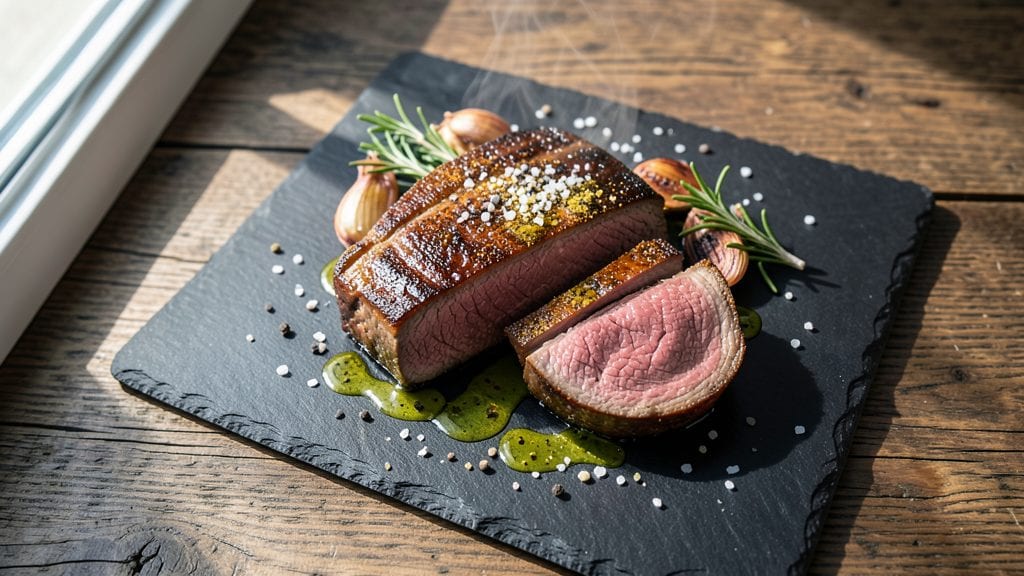
This elk loin steak recipe delivers restaurant-quality results with every bite—smoky, rich, and perfectly tender with just a hint of pink in the center. After years of perfecting my technique, I’ve cracked the code for cooking elk loin to its ideal doneness while preserving its natural depth of flavor.
The key lies in proper seasoning and precise grilling, ensuring a steak that’s both impressive and foolproof for home cooks.
The secret begins with a bold rub of smoked paprika, garlic powder, and coarse salt, which creates a flavorful bark while keeping the interior juicy. Unlike beef, elk loin benefits from a slightly longer rest after cooking—10 to 15 minutes—to allow the juices to redistribute evenly.
This method guarantees a steak that’s tender, flavorful, and perfectly medium-rare every time, with a crust that’s irresistibly smoky and caramelized.
What sets this recipe apart is the balance of heat and tenderness—high enough to develop that smoky crust, but controlled enough to avoid overcooking the interior.
The result is a steak that’s rich in gamey depth yet approachable, with a texture that’s melt-in-your-mouth and a flavor profile that’s far from gamey. Serve it sliced against a bed of roasted garlic mashed potatoes or a fresh herb salad to complement its robust taste.
For those new to elk, this recipe is a game-changer—transforming what can be a challenging cut into a showstopping centerpiece that rivals traditional beef dishes.
The techniques here are designed to be precise yet adaptable, ensuring success whether you’re grilling over charcoal, using a cast-iron skillet, or even cooking indoors with a broiler. Let’s get started on perfecting your elk loin steak.
Ingredients for elk loin steak
These premium ingredients transform elk loin into a restaurant-worthy steak with smoky depth and perfect tenderness.
| Ingredient | Amount | Notes |
|---|---|---|
| Elk Loin Steak 🦌 | 1 ½ lb | Center-cut, 1.5-inch thick slices |
| Smoked Paprika 🌶️ | 2 tbsp | High-quality, Spanish variety preferred |
| Garlic Powder 🧄 | 1 ½ tbsp | Freshly ground preferred |
| Coarse Kosher Salt 🧂 | 1 ½ tbsp | Diamond Crystal brand recommended |
| Freshly Ground Black Pepper 🌶️ | 1 tbsp | Cracked peppercorns preferred |
| Extra-Virgin Olive Oil 🫒 | 2 tbsp | High smoke point variety |
| Fresh Rosemary 🌿 | ½ tbsp | Finely chopped, fresh preferred |
| Fresh Thyme Leaves 🍃 | ½ tbsp | Fresh preferred, stems removed |
| Yellow Onion 🧅 | 1 whole | Thinly sliced, for caramelization |
| Unsalted Butter 🧈 | 2 tbsp | Cold, for basting |
| Fresh Garlic Cloves 🧄 | 4 cloves | Minced, for basting |
| Wood Chips (Hickory or Apple) 🔥 | ½ cup | Soaked for 30 minutes |
| Balsamic Vinegar 🍷 | 1 tbsp | For finishing drizzle |
The elk loin is the foundation—opt for center-cut slices with visible marbling for optimal tenderness. High-quality game butchers like Wild Fork Foods or specialty grocers such as Whole Foods Market carry premium elk cuts. If sourcing directly, ensure the meat has been vacuum-sealed and aged for 21 days, as this improves texture and flavor. The smoked paprika should be rich and aromatic; brands like Penzeys or La Boîte offer superior quality. For the coarse kosher salt, Diamond Crystal is ideal due to its larger flakes, which adhere better to the steak's surface and create a superior crust. Fresh herbs like rosemary and thyme should be vibrant green with no wilting—local farmers' markets often provide the freshest options.
Substitutions must preserve balance. If smoked paprika is unavailable, a blend of 1 tbsp sweet paprika and 0.5 tsp cayenne mimics the depth. For garlic powder, fresh minced garlic at double the amount delivers superior flavor. Olive oil should be high smoke-point; Avocado oil works if unavailable. The wood chips can be substituted with mesquite for stronger smoke, but apple or cherry chips offer a sweeter complement. If balsamic vinegar is lacking, red wine vinegar works, though it lacks the same depth. The butter must be cold to prevent premature melting during basting—European-style unsalted butter like Plugrá is ideal for its high fat content.
Elk loin benefits from 10-15 minutes of resting post-cooking to redistribute juices—never skip this step. Store cooked steak in an airtight container for up to 3 days in the refrigerator, or freeze for 3 months using vacuum-sealing for optimal freshness. Reheat gently in a skillet over low heat with a splash of beef broth to retain moisture. For presentation, slice against the grain and drizzle with reduced balsamic glaze just before serving. Leftover steak reheats beautifully for sandwiches or salads, though texture may slightly degrade after freezing.
Why You'll Love This Recipe
- Five-Ingredient Magic: I swear by this recipe because it’s that simple—just the steak, smoked paprika, garlic powder, salt, and pepper. No fancy marinades, no last-minute grocery runs, just pure, bold flavor with minimal effort.
- Smoky Depth in Minutes: That smoked paprika? It’s the secret weapon here. A quick coat before searing brings this elk steak to life with warmth and complexity—no hours of marinating required. Honestly, it tastes like it’s been slow-cooked, but it’s ready in under 20 minutes.
- Weeknight or Dinner Party: Between us, this steak works for everything. Toss it on the grill for a summer BBQ, pan-sear it for a quick Tuesday night, or serve it sliced thin for a fancy charcuterie board. The same simple seasoning adapts to any vibe—no stress, all satisfaction.
- Leftovers That Don’t Suck: Unlike other proteins that turn dry or bland after reheating, this elk stays juicy and flavorful. I’ve had it cold in salads, reheated in cast iron, and even tossed into breakfast hash the next day. It’s my go-to for making one meal stretch into three without sacrificing taste.
Step-by-step instructions for elk loin steak with smoky-grilled perfection
Master this technique for elk loin steak that delivers deep smoky flavor while maintaining perfect pink centers.
Prepare the Elk Loin with Smoked Rub
Begin by patting the 1.5 lb elk loin steak completely dry with paper towels—this ensures maximum surface area for the rub to adhere and creates that coveted crust. In a small bowl, combine the 2 tbsp smoked paprika, 1.5 tbsp garlic powder, 1.5 tbsp coarse kosher salt, and 1 tbsp freshly ground black pepper. The smoked paprika adds depth while the garlic powder infuses subtle sweetness.
Generously coat both sides of the elk loin with the spice mixture, pressing firmly so the rub adheres evenly. Let the seasoned steak sit at room temperature for 30 minutes while you prepare the grill. This resting period allows the meat to cook more evenly and prevents shock when it hits the hot grill. Real talk: Skipping this step can lead to uneven cooking or a bland exterior.
Build the Smoky Grill Base with Wood Chips
Soak the 0.5 cup wood chips (hickory or apple) in water for 30 minutes to prevent burning. While they soak, preheat your grill to medium-high heat—around 400°F—with the wood chips added to the smoker box or directly on the coals. You'll know you've achieved proper smoke when you see thin, blue smoke wafting from the grill, not thick white steam.
Once the grill reaches temperature, oil the grates thoroughly with 2 tbsp extra-virgin olive oil using a folded paper towel. This prevents sticking and ensures the steak develops those beautiful grill marks. I like to use tongs to flip the paper towel for even coverage—don't skip this, or you'll end up with a steak that fights you every time you try to turn it.
Grill the Steak to Perfect Medium-Rare
Place the elk loin steak on the preheated grill, positioning it perpendicular to the grill lines. Let it sear undisturbed for 4-5 minutes until you see deep brown crust forming and hear the satisfying sizzle. This initial sear locks in juices and builds flavor. Here's the thing—resist the urge to move it around. You'll know it's ready to flip when the edges begin to crisp and the steak releases easily from the grates.
Flip the steak and continue grilling for another 3-4 minutes on the second side, then add the 2 tbsp cold unsalted butter, 4 cloves minced fresh garlic, 0.5 tbsp finely chopped fresh rosemary, and 0.5 tbsp fresh thyme leaves to the grill. Baste the steak frequently with the melted butter mixture for 1-2 minutes until it forms a glossy, aromatic crust. The internal temperature should reach 130°F for medium-rare—use a meat thermometer for precision, as elk loin can vary in doneness cues compared to beef.
Caramelize Onions and Finish with Balsamic
While the steak rests, thinly slice the 1 whole yellow onion and cook in a separate skillet over medium heat with 1 tbsp extra-virgin olive oil until deeply caramelized—about 15-20 minutes. The onions should turn golden brown with a sweet, jammy texture. This step adds complexity to the dish and balances the rich, gamey flavor of the elk.
Return the steak to the grill and brush both sides with 1 tbsp balsamic vinegar, allowing it to sizzle and caramelize for 30 seconds. This final touch adds a bright, tangy contrast to the smoky, herby crust. Let the steak rest for 5-7 minutes before slicing against the grain into ½-inch thick portions. The resting period is crucial—it allows juices to redistribute, ensuring each bite remains tender and moist.
Serve with Caramelized Onions and Herbed Butter
Plate the elk loin steak alongside the caramelized onions and any remaining herbed butter from the grill. The combination of smoky, herby crust with the sweet onions creates a harmonious balance of flavors. For presentation, fan the sliced steak slightly and drizzle with any remaining balsamic reduction from the grill. Serve immediately while the meat is still at its peak temperature—this is when it's most tender and flavorful.
The result should be a steak with a deep mahogany crust, a smoke ring just beneath the surface, and perfect pink centers that yield to the knife. Each bite should deliver layers of flavor: the earthy depth of the smoked rub, the herbal brightness of rosemary and thyme, and the sweet-tangy finish from the balsamic. This method guarantees a restaurant-quality elk loin steak in your own kitchen.
Pro Tips For Making Elk Loin Steak
- CRANK THE HEAT: Elk loin needs a screaming-hot pan to sear properly—no lukewarm "I’ll just warm it up" nonsense. Get that skillet smoking before adding oil, then let the steak hit with a loud sizzle for 2-3 minutes per side. I learned this the hard way after serving a steak that tasted like it was cooked in a microwave.
- SALT THE MEAT FIRST: Don’t wait until the last minute—pat the elk loin dry, then hit it with kosher salt at least 30 minutes before cooking. This lets the salt work its magic, breaking down surface proteins for a better crust. (Yes, even if you’re impatient like me, resist the urge to skip this.)
- SKIP THE CROWDED PAN: Smoked paprika and garlic powder clump like snow when they get wet—don’t let them turn into a sad, gummy paste. Toast them separately in the dry pan for 30 seconds before adding oil, then sprinkle over the steak after searing. Trust me, your seasoning will actually stick.
- REST IT UNDER FOIL: Elk loin stays juicier if you tent it loosely with foil right after plating and let it rest for 5 minutes. No need to stress about timing—just cover it and walk away. I used to cut into it too soon, and the juices pooled like a sad, greasy puddle. (Your knife will thank you too.)
Essential equipment for elk loin steak
Grill Mastery Tools
For smoky perfection, a charcoal grill with a smoker box is ideal—I swear by my Weber Original Kettle Grill for its consistent heat control. The smoker box lets you infuse hickory or apple wood chips directly into the cooking process, creating that authentic outdoor flavor.
If you're grilling indoors, a cast-iron skillet on the stovetop works too, but you'll need a smoking gun or smoking stick to generate smoke. For serious grillers, I recommend a Traeger Pellet Grill—it handles temperature control automatically and delivers restaurant-quality smoke every time. 🔥
Precision Thermometers
Elk loin cooks differently than beef, so a meat thermometer is non-negotiable. My go-to is the ThermoWorks Smoke—it has dual probes to monitor both the grill temperature and the steak's internal temp. For budget-friendly options, the Meater or Thermoworks Thermapen are reliable and accurate.
Always aim for 130°F internal temperature for medium-rare elk loin, as it continues cooking slightly after removal from heat. Pro tip: Insert the probe into the thickest part of the steak, avoiding fat or bone. ⚡
Butter Basting Essentials
Cold unsalted butter is key for basting—it melts slowly and creates a flavorful crust. I keep a small butter baster (like the OXO Good Grips) handy for precise application. For extra richness, mix in minced fresh garlic and herbs directly into the butter before basting.
If you don’t have a baster, use a silicon brush to spread the melted butter mixture evenly. Avoid salted butter here; the Diamond Crystal kosher salt in the rub is enough to enhance flavor without overpowering. 🧈
Resting & Slicing Gear
Resting your elk loin properly is just as important as cooking it. Use a large cutting board (I love the John Boos Walnut Board) and wrap the steak loosely in aluminum foil to retain heat while resting.
For slicing, a sharp chef’s knife (like the Wüsthof Ikon) is a must—it glides through the meat cleanly when sliced against the grain. A meat tenderizer mallet comes in handy if your elk loin has tougher connective tissue, but proper aging (21 days) usually eliminates this need. 💪
Backup Indoor Options
No grill? No problem. A heavy-duty cast-iron skillet (like Lodge’s 10.25-inch) works perfectly for indoor searing. For smoke indoors, use a smoking stick or improvise with wood chips in a foil packet.
If you’re broiling, preheat the oven to 450°F and place the skillet on the top rack for direct, intense heat. Always use long-handled tongs (like OXO’s Good Grips) to handle hot skillets safely.
For extra smoke flavor, place a small bowl of apple cider vinegar on the stovetop while cooking—it releases subtle smoky notes. 🌡️
Cleanup & Maintenance
Grilling elk can leave behind strong odors, so keep grill brushes (like Scotch-Brite Double Sided) and metal polish (I use Weiman’s) on hand for quick cleanup. For the skillet, a chainmail scrubber removes stuck-on bits effortlessly.
Store your wood chips in an airtight container to keep them dry, and always soak them in water before use to prevent burning. A grill thermometer (like Thermoworks Smoke) helps monitor heat consistency, ensuring your elk loin cooks perfectly every time. 🧹
Nutrition facts
Frequently asked questions
Can I substitute beef seasoning for elk loin?
While you can use beef seasoning, elk loin benefits from a more aromatic blend. The recipe's smoked paprika and fresh herbs create a deeper, earthier flavor that complements elk's natural gamey notes. For a quick fix, add 1 tsp smoked paprika and ½ tsp rosemary to your beef rub—this mimics the recipe's signature taste profile.
How do I know when elk loin is done without a thermometer?
Elk loin is trickier than beef—it should feel firm but still springy to touch when medium-rare. For a 1.5-inch thick steak, press gently with your finger: it should yield slightly but not feel mushy. The edges should be deep brown with grill marks, and the internal color should be bright pink in the center. For extra confidence, use the fingertip test: press your thumb and forefinger together—when the meat feels similar, it's likely 130°F (medium-rare).
Why does my elk loin turn out tough?
Overcooking is the #1 culprit—elk loin has less fat than beef, so it dries out faster. Always cook to 130°F internal temp (medium-rare) and rest for 10-15 minutes before slicing. For tougher cuts, marinate in buttermilk for 4-6 hours before cooking to tenderize. Avoid high heat; medium-high (400°F) is ideal.
Can I make this recipe indoors without a grill?
Use a cast-iron skillet on the stovetop over medium-high heat. For smoke flavor, place a small bowl of apple cider vinegar nearby while cooking—it releases subtle smoky notes. Sear the steak for 4-5 minutes per side, then baste with butter and herbs. Finish under a broiler for 1-2 minutes to crisp the crust.
How far in advance can I prep the steak?
Season the elk loin up to 24 hours ahead and store it in an airtight container in the fridge. Bring it to room temperature for 30 minutes before cooking. For the rub, mix dry ingredients in advance and store in a jar for up to 3 months. Fresh herbs should be chopped just before basting to preserve their aroma.