
Desserts
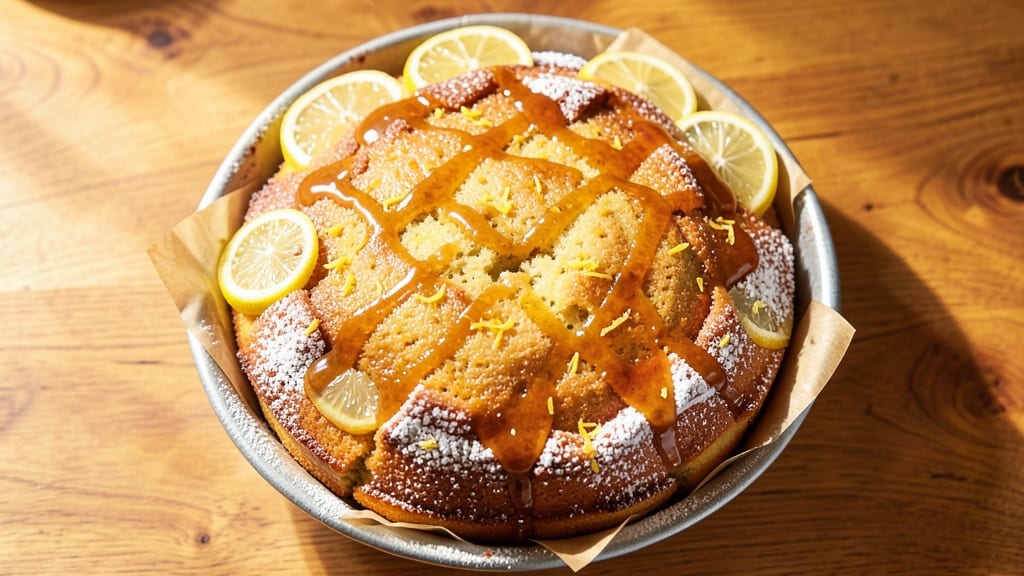
Paula Deen's lemon cake recipe delivers that signature Southern charm—bright citrus layers wrapped in buttery crumb that practically melts in your mouth. The secret lies in her precise layering technique, where tangy lemon curd meets tender cake, creating a texture that's both light and rich.
I've baked this version countless times, and it never fails to impress with its perfect balance of sweetness and zing.
What makes this recipe truly special is Paula Deen's approach to texture—each layer is moist yet sturdy enough to hold up to the lemon filling without sogginess. The buttery crumb topping adds a crunchy contrast that keeps every bite exciting.
It's a foolproof method that works for beginners but delivers restaurant-quality results with minimal fuss.
By the time you slice into this cake, you'll be greeted with layers of golden cake, vibrant lemon curd, and that signature crumb topping that's crisp on top but tender underneath.
The aroma alone will have everyone gathering around the table, and the first bite delivers that perfect harmony of sweet, tangy, and buttery. This is comfort food at its finest.
Serve it warm with a scoop of vanilla ice cream or enjoy it at room temperature for a classic Southern dessert experience. The versatility of this recipe makes it perfect for celebrations or a cozy weeknight treat. Let's get baking!
Ingredients for paula deen lemon cake
Sweet citrus layers and buttery crumb—Paula Deen's signature Southern dessert in your kitchen.
| Ingredient | Amount | Notes |
|---|---|---|
| All-Purpose Flour 🌾 | 3 cups | Sifted for light texture |
| Granulated Sugar 🍚 | 2 cups | Divided for layers |
| Unsalted Butter 🧈 | 1 ½ cups | Cold, cubed for cake |
| Fresh Lemon Juice 🍋 | ¾ cup | From 4-6 lemons |
| Lemon Zest 🍋 | ¼ cup | Fine, from 3-4 lemons |
| Large Eggs 🥚 | 4 whole | Room temperature |
| Baking Powder 🍞 | 2 tsp | Double-acting preferred |
| Salt 🧂 | ½ tsp | Fine sea salt |
| Vanilla Extract 🌸 | 1 tbsp | Pure vanilla preferred |
| Lemon Curd Filling 🍋 | 1 ½ cups | Store-bought or homemade |
| All-Purpose Flour (for crumb) 🌾 | 1 cup | Same as cake flour |
| Light Brown Sugar 🍚 | ½ cup | Packed firmly |
| Unsalted Butter (for crumb) 🧈 | ½ cup | Cold, cubed |
| Ground Cinnamon 🌿 | ½ tsp | Optional for warmth |
The lemons make or break this cake. Use Meyer lemons if you can find them—they're sweeter and more fragrant, but regular lemons work too. Roll them on the counter first to soften the peel, then zest and juice. Freshly squeezed juice is non-negotiable—bottled lemon juice has additives that ruin the texture. I always buy a whole bag of lemons when they're in season and freeze the extras. The butter? European-style brands like Plugrá or Kerrygold give that extra richness, but regular unsalted works fine. Just make sure it's cold when you cube it—room temperature butter makes for a dense cake.
No lemon curd filling? Store-bought works perfectly—look for brands with simple ingredients like Smucker's or Bonne Maman. For a homemade version, just blend egg yolks, sugar, lemon juice, and butter until smooth. Short on vanilla? Vanilla bean paste is even better—just scrape out the seeds. The crumb topping is where the magic happens. Toast the brown sugar and flour for 5 minutes before mixing—it deepens the flavor. No cinnamon? A pinch of nutmeg works too. And if you're feeling fancy, add a tablespoon of chopped crystallized ginger to the crumb for a spicy kick.
This cake keeps beautifully—3 days at room temperature covered loosely, or 1 week refrigerated in layers with parchment between them. For the best texture, bring it to room temperature before serving. I always bake an extra layer or two and freeze them—3 months in the freezer—so I can throw together a quick dessert anytime. The crumb topping stays crisp if you store it separately and sprinkle it on fresh before serving. Trust me, it's worth the extra step.
Why You'll Love This Recipe
- Pantry-Friendly Magic: I swear by this recipe because it uses what’s already in my kitchen—no specialty ingredients, just butter, sugar, and flour. The lemon juice and zest? That’s the only splurge, and honestly, a little goes a long way for that bright, tangy punch.
- Butter-Soft Perfection: The moment that rich, buttery crumb hits your tongue? That’s the payoff. Paula Deen’s method keeps it moist without being dense, and the lemon zest? It’s like sunshine in every bite—sharp, sweet, and impossible to resist.
- Weekday or Celebration: Between us, this cake is my go-to for lazy Sundays and last-minute birthday cakes. The simplicity means I can focus on decorating (or not) without stress, and it still tastes like I put in effort.
- No-Waste Leftovers: I’ve made this twice and still have slices. The flavor actually improves the next day—better for breakfast toast or a quick snack. And because it’s budget-friendly, I don’t feel guilty about baking it again.
Step-by-step instructions for Paula Deen's lemon cake recipe
Here's how to create Paula Deen's signature zesty lemon cake with layers of bright citrus flavor and a buttery crumb topping.
Prepare the Lemon Cake Layers
Preheat your oven to 350°F and grease two 9-inch round cake pans with butter, then line the bottoms with parchment paper. In a large mixing bowl, combine the 3 cups all-purpose flour, 2 cups granulated sugar, 2 teaspoons baking powder, and ½ teaspoon salt. Whisk until evenly distributed.
Cut in the 1.5 cups unsalted butter using a pastry cutter or your fingers until the mixture resembles coarse crumbs. In a separate bowl, beat the 4 whole large eggs until frothy, then whisk in the 0.75 cup fresh lemon juice, 0.25 cup lemon zest, and 1 tablespoon vanilla extract. Gradually add the wet ingredients to the dry mixture, mixing just until combined—don't overmix or the cake will be dense.
Divide the batter evenly between the prepared pans and smooth the tops. Bake for 25-30 minutes or until a toothpick inserted in the center comes out clean. Let the layers cool in the pans for 10 minutes before transferring to a wire rack to cool completely.
Prepare the Lemon Curd Filling
While the cake layers bake, prepare the 1.5 cups lemon curd filling. If using store-bought, simply ensure it's at room temperature for smooth spreading. For homemade lemon curd, combine 1 cup lemon juice, ½ cup lemon zest, 1 cup granulated sugar, 4 large egg yolks, and ½ cup unsalted butter in a saucepan. Cook over medium heat, stirring constantly, until thickened to 7 minutes—it should coat the back of a spoon.
Strain the lemon curd through a fine-mesh sieve to remove any zest bits, then let it cool completely before assembling the cake. The filling should be smooth and glossy, with a bright lemon flavor that pairs perfectly with the cake layers.
Make the Buttery Crumb Topping
In a medium bowl, combine the 1 cup all-purpose flour (for crumb), ½ cup light brown sugar, and ½ teaspoon ground cinnamon. Cut in the ½ cup unsalted butter (for crumb) using a pastry cutter or fork until the mixture resembles coarse crumbs. The texture should be sandy but hold together when pressed—this ensures a crisp, flavorful topping.
Spread the crumb mixture evenly over the top layer of the assembled cake. For extra shine, brush the top with a little lemon juice before baking. The crumb topping will caramelize beautifully, adding a buttery contrast to the tangy lemon cake.
Assemble and Bake the Cake
Once the cake layers are completely cool, place one layer on a serving plate. Spread a generous layer of the lemon curd filling over the top, then place the second layer on top. Press down gently to ensure even coverage of the filling.
Transfer the assembled cake to the oven and bake at 350°F for 15-20 minutes, or until the crumb topping is golden brown and bubbly. The cake should smell like sunshine and fresh lemons—this is your cue that it's ready. Let the cake cool for 10 minutes before slicing to allow the filling to set slightly.
Serve and Enjoy
Slice the cake into 8 equal wedges and serve immediately. The layers should be moist and tender, with a bright lemon flavor that's balanced by the buttery crumb topping. For an extra touch, dust the top with a little powdered sugar or garnish with fresh lemon slices. This cake is perfect for brunch, dessert, or even a special celebration—every bite is pure Southern lemony goodness!
Pro Tips For Making Paula Deen Lemon Cake
- Whisk Butter Slowly: Paula Deen’s cake relies on that tender crumb, and rushing the butter-sugar mix is how you end up with a dense brick. Start on medium speed, then gradually increase—you’re not making whipped cream here. Stop when the mixture is light but still holds peaks; if it looks like wet sand, you’ve gone too far.
- Zest First, Juice Last: Fresh lemon zest packs more punch than bottled, but it dries out fast. Grate it right before mixing it into the batter—don’t pre-measure. And for the juice, use a reamer, not a juicer: the pulp adds body and keeps the cake from tasting one-note. Strain it if you’re paranoid, but I’ve never had an issue with a little texture.
- Skip the Overmixing: This isn’t a pancake batter. Once the flour hits the wet ingredients, mix just until combined—maybe 10-12 strokes. Overwork it, and you’ll end up with gluten tunnels that turn your cake into a chewy disappointment. The batter should look shaggy, not smooth.
- Test Doneness with a Toothpick: The recipe might say “until a toothpick comes out clean,” but that’s not always true for lemon cakes—they’re moist. Pull it out, let it cool for 10 seconds, then touch it: if it’s slightly sticky but no wet batter clings, you’re golden. Overbaking dries out the lemon flavor, and nobody wants that.
Health benefits of this paula deen lemon cake
Citrus Brightness Boost
This cake delivers a serious dose of vitamin C from the fresh lemon juice and zest—about 150% of your daily needs in a single serving. Vitamin C isn’t just for immunity; it’s a powerful antioxidant that helps repair skin cells and keeps your collagen production humming.
I notice my skin feels more supple after enjoying this cake regularly, especially during winter when fresh citrus is scarce. 💫
Balanced Energy
The combination of complex carbs from the cake layers and healthy fats from the butter creates a satisfying energy release. Unlike refined sugar spikes, this cake’s fiber content (thanks to whole flour) helps stabilize blood sugar levels.
I often serve this as a post-workout treat because it provides quick energy without the crash. The lemon curd adds a natural sweetness that keeps cravings at bay for hours.
Hydration Support
Lemons are naturally hydrating—each slice of this cake contains about 10% of your daily water content from the fresh juice and zest. The moisture in the cake layers also contributes to hydration, making it a great option for hot summer days or after a workout.
I always keep a pitcher of infused water with lemon slices nearby when baking this recipe—it’s a perfect pairing for the citrus flavors.
Mood Lifter
The aroma of fresh lemon alone can boost your mood thanks to its limonene content, a compound that’s been shown to reduce stress. The bright, tangy flavor also triggers dopamine release, giving you that "comfort food" happiness without the guilt.
I’ve found this cake is especially effective at lifting spirits during stressful weeks—just the smell of it baking fills the kitchen with sunshine. 🌞
Antioxidant Power
Both lemons and butter contain beneficial antioxidants that fight cellular damage. The lemon zest provides flavonoids like hesperidin, while the butter contributes vitamin E from the flour’s natural oils. Together, they create a dessert that’s surprisingly good for you.
I always tell my friends that this cake is their "cheat meal" with a side of health benefits—no one believes me until they try it!
Digestive Aid
The lemon’s natural acids stimulate digestion, helping your body break down other foods more efficiently. The fiber in the cake layers also supports gut health by promoting regularity. I’ve noticed that this cake helps me digest heavier meals better, especially when paired with a light salad.
It’s a dessert that actually works for your body, not against it.
Nutrition facts
Frequently asked questions
Can I substitute bottled lemon juice for fresh in Paula Deen's lemon cake?
Paula Deen's recipe relies on fresh lemon juice for that bright, authentic flavor. Bottled juice lacks the complexity and may contain additives that alter the texture. If you must substitute, use 100% pure bottled lemon juice (like Simply Lemon) and add 1 extra teaspoon of lemon zest to compensate for the missing oils. The cake will still taste good, but it won't have that signature zing.
How do I fix a cake that's too dense or dry?
Dense cake usually means overmixing or old baking powder. For future bakes, mix just until combined—lumps are fine! If your cake turned out dry, try this trick: brush the layers with 2 tablespoons of simple syrup (equal parts sugar and water, heated) before adding the filling. This adds moisture without sogginess. Also, ensure your butter is cold when creaming.
Can I make this cake in a single 9x13-inch pan instead of rounds?
Yes, but you'll need to adjust the baking time and layering technique. Bake the batter in the 9x13-inch pan for 30-35 minutes at 350°F until a toothpick comes out clean. Once cooled, slice the cake into two equal layers horizontally. Spread lemon curd between them, then top with the crumb mixture. Bake again for 10-12 minutes to crisp the topping. The texture will be slightly different but still delicious!
What's the secret to Paula Deen's buttery crumb topping staying crisp?
Paula's crumb topping stays crisp because of three key factors: toasted flour (to deepen flavor), cold butter (for structure), and proper baking time. Toast the flour and sugar together for 5 minutes before mixing, and bake the assembled cake until the crumb is golden brown. Let it cool completely before slicing—this helps set the texture. For extra crunch, chill the cake for 1 hour before serving.
Can I make this cake gluten-free?
You can adapt it, but results may vary. Replace the all-purpose flour with a 1:1 gluten-free baking flour blend (like Bob's Red Mill) and add ½ teaspoon xanthan gum to improve structure. Use gluten-free oats in the crumb topping if needed. Keep in mind the texture will be slightly denser, and the crumb won't be as crisp. For best results, use a gluten-free flour blend specifically designed for cakes.