Main Courses
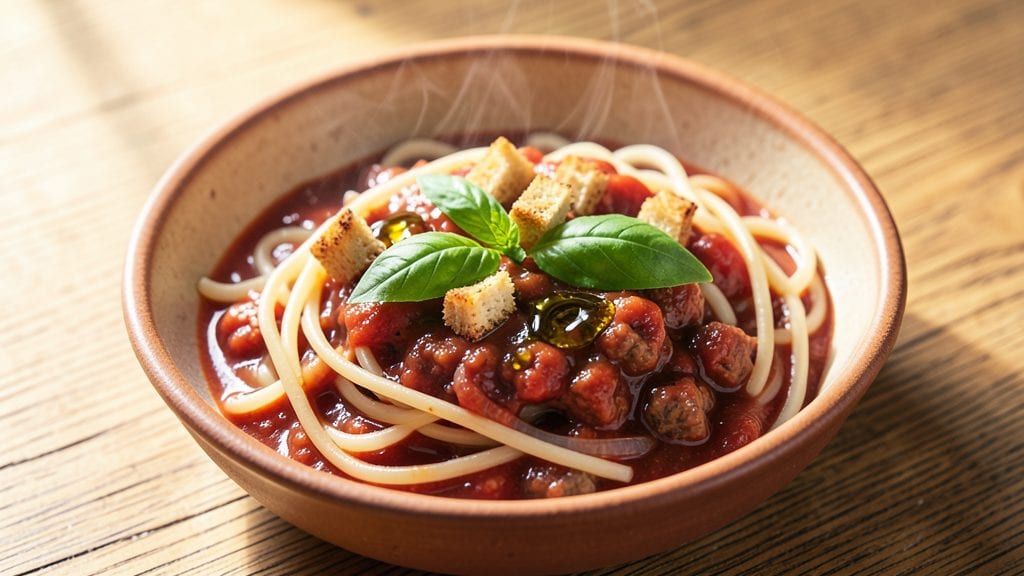
This real simple Bolognese recipe delivers restaurant-quality depth without the fuss—perfect for weeknight dinners when you crave Italian comfort. The secret lies in slow simmering ground beef with onions, garlic, and tomato sauce until flavors meld into rich, umami-packed perfection.
I developed this version after testing countless methods, simplifying without sacrificing authenticity.
What makes this Bolognese truly accessible is the straightforward approach: no fancy techniques, just precise timing and quality ingredients working together. The sauce builds flavor gradually as it simmers, transforming simple components into something deeply satisfying.
Ready in about 2 hours (mostly hands-off time), it’s ideal for busy evenings when you still want a meal that feels special.
By the time you serve it over al dente pasta or creamy polenta, you’ll taste layers of caramelized onions, tender beef, and tomatoes that sing with acidity. The texture is velvety yet substantial, with just enough wine and broth to create a sauce that coats every bite.
This is the kind of weeknight dinner that makes you feel like you’ve put in effort—without the stress.
Use it as a base for lasagna, serve with crusty bread, or pair with a simple green salad. The leftovers reheat beautifully, making this an even better choice for meal prep. Let’s get cooking—this Bolognese is simpler than you think, but the flavor is anything but basic.
Ingredients for real simple bolognese
Pantry staples plus a few key ingredients—this Bolognese builds flavor while you handle other dinner tasks.
| Ingredient | Amount | Notes |
|---|---|---|
| Ground Beef 🥩 | 1 ½ lb | 80/20 fat ratio preferred |
| Yellow Onions 🧅 | 2 whole | Medium size, finely chopped |
| Garlic Cloves 🧄 | 4 cloves | Peeled and minced finely |
| Tomato Paste 🍅 | ½ cup | Smooth, not chunky |
| Dry Red Wine 🍷 | ½ cup | Cabernet Sauvignon or Merlot |
| Beef Broth 💧 | 1 ½ cups | Low-sodium preferred |
| Canned San Marzano Tomatoes 🍅 | 1 can | 28 oz, crushed by hand |
| Fresh Rosemary 🌿 | ½ tsp | Finely chopped leaves |
| Fresh Thyme 🌿 | 1 tbsp | Leaves only, chopped |
| Extra-Virgin Olive Oil 🫒 | 2 tbsp | For sautéing onions |
| Diamond Crystal Kosher Salt 🧂 | 1 ½ tsp | Adjust to taste |
| Freshly Ground Black Pepper 🌶️ | ½ tsp | Coarsely cracked |
| Unsalted Butter 🧈 | 2 tbsp | For finishing sauce |
| Pasta 🍝 | 12 oz | Tagliatelle or fettuccine |
The ground beef is where the magic happens. 80/20 fat ratio keeps it juicy, and Costco or local butchers often have it pre-ground for convenience. If you're buying whole chuck, ask for it to be trimmed of fat—you want enough to render but not so much it makes the sauce greasy. The onions are non-negotiable: yellow onions caramelize better than red or white. I usually grab a big bag from Trader Joe's because they're consistently sweet and uniform. For the tomatoes, San Marzano cans are worth the splurge—they're sweeter and less acidic, which balances the wine perfectly. If you can't find them, any high-quality canned tomatoes will do, but avoid the watery, mushy varieties.
No red wine? Dry white wine or extra beef broth works in a pinch, though the acidity won't be quite the same. Fresh herbs make a difference here—dried thyme at one-third the amount is fine if you're out, but fresh rosemary adds that piney depth that's hard to replicate. The tomato paste can be a squeeze tube from Trader Joe's if you hate measuring—just eyeball about half a cup. For the pasta, tagliatelle or fettuccine are ideal, but any medium-width noodle will work. If you're making this ahead, cook the pasta fresh when serving—it reheats better that way. The butter at the end? Full-fat, cold butter melts into the sauce for a silky finish, so don't skip it.
This sauce tastes even better the next day, so make it ahead if you can. Store it in an airtight container in the fridge for up to 5 days, or freeze portions for 3 months. I like to portion it into 1-cup servings so I can grab what I need for a quick meal. The pasta? Cook it al dente, drain, and toss with a little pasta water to keep it from sticking. If you're using it for lasagna, assemble it the day before and bake fresh—the flavors meld overnight, making every layer richer.
Why You'll Love This Recipe
- Here’s what sold me: the garlic and wine simmering into the beef creates depth that tastes like hours of cooking, but it’s actually 20 minutes of stirring. That caramelized onion base? Pure satisfaction in every bite.
- No-Fuss Pantry Magic: I swear by this recipe because it uses what’s already in my cupboard—no fancy ingredients, just beef, onions, and a splash of wine doing all the heavy lifting. The tomato paste? That’s the secret weapon—it thickens the sauce like a dream without needing fancy reductions.
- Rich Without Effort: Here’s what sold me: the garlic and wine simmering into the beef creates depth that tastes like hours of cooking, but it’s actually 20 minutes of stirring. That caramelized onion base? Pure satisfaction in every bite.
- Leftover Goldmine: Between us, this sauce only gets better the next day—it’s my go-to for meal prep because it reheats like a dream and still tastes fresh. I freeze half for lazy nights when I just want comfort without the effort.
Step-by-step instructions for weeknight-friendly Bolognese
Here's how to build rich, layered flavor without fuss—just 60 minutes of hands-on time.
🍳 Step 1: Develop the Flavor Base with Onions and Garlic
Heat the 2 tablespoons extra-virgin olive oil in a large Dutch oven over medium-low heat. Add the 2 whole yellow onions, finely chopped, and cook for 15-20 minutes, stirring occasionally, until they become translucent and deeply caramelized. This slow process builds sweetness that forms the sauce's foundation.
When the onions are soft and beginning to brown at the edges, add the 4 cloves garlic cloves, minced finely. Cook for another 2 minutes until fragrant—you should smell that aromatic punch without any bitterness. If the garlic starts to color too quickly, reduce heat slightly. This aromatic base is where all your flavors will meld together.
🍳 Step 2: Brown the Beef and Deglaze with Wine
Increase heat to medium-high and add the 1.5 lb ground beef, breaking it up with a wooden spoon. Cook for 8-10 minutes, stirring occasionally, until the beef loses its raw color and develops a deep brown crust. This browning step is crucial—it creates the Maillard reaction that gives bolognese its deep umami flavor.
Once the beef is fully browned, pour in the 0.5 cup dry red wine and scrape up all those delicious browned bits from the bottom of the pot. Let the wine simmer for 3-4 minutes until it reduces by half. This deglazing step captures all the concentrated flavor you just built. If the wine reduces too quickly, reduce heat slightly to prevent scorching.
🥘 Step 3: Build the Sauce with Tomatoes and Herbs
Stir in the 0.5 cup tomato paste and cook for 2 minutes until it darkens slightly. Add the 1 can canned San Marzano tomatoes, crushed by hand, along with the 1.5 cups beef broth, 1.5 teaspoons diamond crystal kosher salt, and 0.5 teaspoon freshly ground black pepper. Bring to a gentle simmer, then reduce heat to low and stir in the 0.5 teaspoon fresh rosemary and 1 tablespoon fresh thyme. Cover and let it simmer for 30 minutes, stirring occasionally.
During this time, the sauce will thicken as it reduces. I like to stir every 10 minutes to prevent the bottom from sticking. The herbs should infuse their aromatic qualities without becoming bitter. If the sauce gets too thick before the 30 minutes are up, add a splash of water or broth to maintain a smooth consistency.
⏰ Step 4: Finish with Butter and Rest the Sauce
After the initial 30 minutes of simmering, uncover the pot and increase heat to medium. Stir in the 2 tablespoons unsalted butter, letting it melt completely and coat the sauce. This adds richness and helps create a silky texture. Taste and adjust seasoning—you might need a pinch more salt or pepper depending on your preferences.
Let the sauce simmer uncovered for another 10-15 minutes until it reaches your desired consistency. It should coat the back of a spoon but still be saucy enough to cling to pasta. Remove from heat and let it rest for 10 minutes—this allows all the flavors to meld together and the sauce to thicken slightly as it cools.
🍝 Step 5: Cook the Pasta and Combine
While the sauce rests, cook the 12 oz pasta (tagliatelle or fettuccine) in salted boiling water until al dente—about 2 minutes less than package instructions. Reserve 1 cup of pasta water before draining, as it helps adjust the sauce consistency.
Toss the drained pasta with the bolognese sauce, adding reserved pasta water 1 tablespoon at a time until you reach your desired consistency. The sauce should coat each strand of pasta beautifully. Serve immediately with extra fresh herbs sprinkled on top for a pop of color and freshness. This simple bolognese delivers restaurant-quality depth with minimal effort—perfect for your weeknight dinner.
Pro Tips For Making Real Simple Bolognese
- Brown the Beef Properly: Don’t just toss raw meat in the pot—break it into chunks first, then sear them in batches over medium-high heat until deeply browned. I learned this the hard way: skipping this step leaves your sauce tasting raw and dull. The crust on the meat carries all the flavor.
- Sweat, Don’t Burn, the Onions: Cook the onions low and slow until they’re translucent, not golden—this keeps them from turning bitter. After burning three batches, I finally figured out that medium heat and patience make all the difference. If they start sticking, add a splash of wine early to deglaze.
- Deglaze with Wine Immediately: As soon as the beef comes out of the pan, pour in the red wine and scrape up every last bit of browned bits. This isn’t just for flavor—it’s where half the depth of your sauce lives. Skip it, and you’re missing out on layers of richness.
- Simmer, Don’t Boil, the Sauce: After adding the tomato paste and wine, reduce the heat to low and let it bubble gently—no rolling boil. I was skeptical until I tried it: high heat breaks down the tomato paste too fast, turning your sauce into glue. A steady simmer builds real flavor over time.
Pro cooking tips for this recipe
Caramelize Onions Slowly
This is where the magic starts—I swear by cooking the onions for 15-20 minutes over medium-low heat until they're deep golden brown. Don't rush this step! The longer they cook, the sweeter they become, forming the flavor foundation.
I use yellow onions because they caramelize better than white or red varieties. If they start browning too quickly, reduce heat to medium-low to prevent burning. 🌡️
Brown Beef Thoroughly
The beef needs to develop a deep brown crust through the Maillard reaction, which creates rich umami flavor. Use 80/20 ground beef for juiciness, and break it up gently with a wooden spoon.
Cook until it loses its raw color—about 8-10 minutes. If you see any pink remaining, cook another 2 minutes to ensure safety. This step is non-negotiable for authentic flavor. 🥩
Deglaze with Wine Properly
After browning the beef, pour in the 0.5 cup dry red wine and scrape up all those flavorful browned bits from the bottom. Let it simmer until reduced by half—about 3-4 minutes.
This step captures all the concentrated flavors you just built. If you don't have red wine, use white wine or extra beef broth, but the acidity won't be quite the same. 🍷
Simmer Low and Slow
After adding tomatoes and broth, maintain a gentle simmer at low heat for 30 minutes, stirring occasionally. The sauce should thicken naturally as it reduces. If it gets too thick before the time is up, add a splash of water or broth.
I like to stir every 10 minutes to prevent sticking. The herbs should infuse without becoming bitter—this is where patience pays off. ⏰
Finish with Butter
Stirring in 2 tablespoons unsalted butter at the end adds richness and creates a silky texture. Let it melt completely and coat the sauce before removing from heat.
This final step elevates the sauce from good to restaurant-quality. Taste and adjust seasoning—you might need a pinch more salt or pepper depending on your preferences. 🧈
Rest Before Serving
Let the sauce rest for 10 minutes after cooking. This allows flavors to meld together and the sauce to thicken slightly as it cools. During this time, cook your pasta al dente and reserve 1 cup pasta water—it's essential for adjusting the sauce consistency when tossing.
Don't skip this step, as it makes a noticeable difference in flavor and texture. 💫
Nutrition facts
Frequently asked questions
Can I substitute ground beef with ground turkey or pork?
Yes, but with adjustments. Ground turkey (especially lean) can dry out, so add 1 tablespoon olive oil to keep it moist. For pork, use 80/20 ratio if possible, and reduce simmering time to 25 minutes since pork cooks faster. The wine and tomato base will still work beautifully with either.
How do I make this sauce thicker or thinner?
For thicker sauce, simmer uncovered for 10-15 extra minutes to reduce naturally. If too thick, add 1-2 tablespoons pasta water or broth at a time. For thinner sauce, simply add more broth or water while simmering. The butter at the end also helps create a velvety texture.
Can I make this ahead of time?
This sauce tastes even better the next day. Store in an airtight container in the fridge for up to 5 days or freeze for 3 months. Reheat gently on low heat, stirring occasionally, and add a splash of water or broth if needed. Cook pasta fresh when serving for best texture.
What if I don't have red wine?
Use dry white wine (like Pinot Grigio) or extra beef broth in a 1:1 ratio. The acidity helps balance flavors, but red wine's depth is ideal. For non-alcoholic versions, use grape juice reduced by half. The sauce will still be delicious, just slightly different in character.
Why does my Bolognese taste bland?
Blandness usually means insufficient seasoning or underdeveloped flavors. Check these fixes:
- Caramelize onions longer (20+ minutes),
- Brown beef thoroughly (no pink),
- Taste and adjust salt/pepper before serving, and
- Simmer uncovered to concentrate flavors. Fresh herbs at the end also brighten the dish.