Main Courses
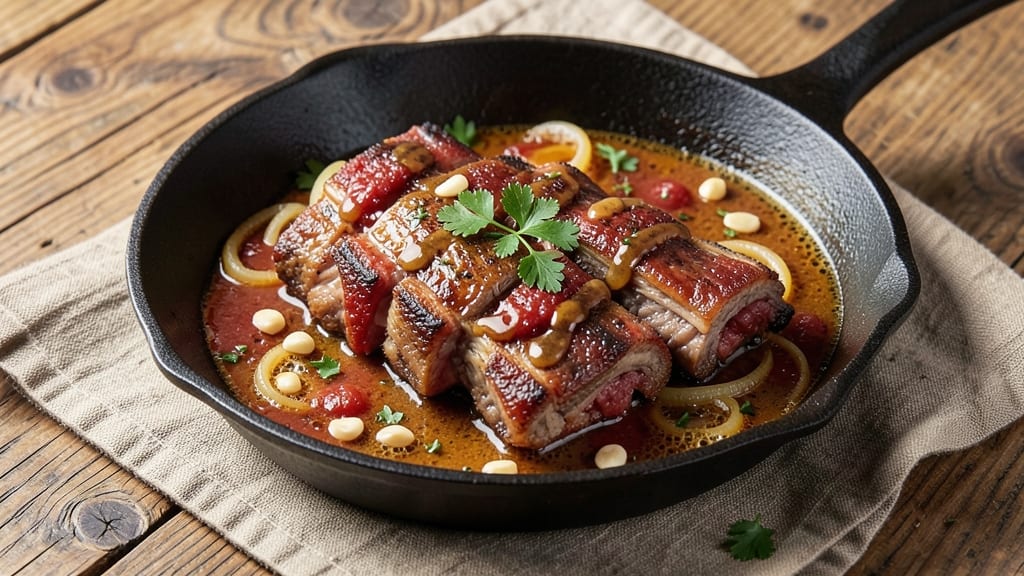
This beer braised beef short ribs recipe transforms tough cuts into melt-in-your-mouth perfection through a slow, flavor-packed process that builds depth with every sip of beer.
The key lies in marinating the ribs overnight, allowing the beer to tenderize while extracting maximum umami from the bones—something store-bought versions can never replicate.
Professional results start with proper searing and a precise balance of liquid reduction, ensuring the braising liquid becomes a rich, caramelized sauce rather than a watery broth.
What sets this method apart is the beer's dual role: it tenderizes the meat while infusing complex malt and hop notes that elevate the dish beyond basic braising.
The ribs develop a deep, caramelized crust from the slow cook, while the interior remains fork-tender—a texture that takes patience but delivers restaurant-quality satisfaction. This isn't just a recipe; it's a technique that transforms an ordinary weeknight into a memorable meal with minimal effort after the initial prep.
The final result is beef so tender it falls apart at the touch, bathed in a glossy sauce that clings to every bite. The aroma alone—smoky, malty, with hints of caramelized onions—will have your kitchen smelling like a European bistro.
Pair these ribs with creamy mashed potatoes or crusty bread to soak up every last drop of that rich, umami-packed sauce. Here's how to achieve it step by step.
This method works equally well for meal prep or immediate serving, making it versatile for both lazy Sundays and special occasions. The beer selection matters—opt for a malty amber ale or dark stout for maximum depth—but even a basic lager will deliver impressive results.
Let's get started on creating ribs that will have everyone asking for seconds.
Ingredients for beer braised beef short ribs
Four pounds of beef short ribs and a few key ingredients transform into melt-in-your-mouth perfection through slow beer braising.
| Ingredient | Amount | Notes |
|---|---|---|
| Beef Short Ribs 🥩 | 4 lb | Bone-in, 2-2.5 inches thick |
| Amber Ale Beer 🍺 | 2 cups | Malty variety preferred |
| Yellow Onions 🧅 | 2 whole | Thinly sliced, about 3 cups |
| Garlic Cloves 🧄 | 6 cloves | Minced, for depth |
| Tomato Paste 🍅 | ½ cup | Smooth, no sugar added |
| Dry Red Wine 🍷 | ½ cup | Bold Cabernet Sauvignon |
| Beef Broth 💧 | 1 ½ cups | Low-sodium preferred |
| Thyme Sprigs 🌿 | 4 whole | Fresh, for aromatic depth |
| Bay Leaves 🍃 | 2 whole | Dried, standard size |
| Black Peppercorns 🌶️ | 1 tbsp | Coarsely cracked |
| Kosher Salt 🧂 | 1 ½ tsp | For seasoning and searing |
| Olive Oil 🫒 | 2 tbsp | Extra-virgin for high heat |
| Balsamic Vinegar 🍶 | 1 tbsp | For sauce reduction |
| Flour 🌾 | 2 tbsp | All-purpose, for dredging |
The beef short ribs are the foundation—bone-in, 2-2.5 inches thick for maximum flavor extraction. Look for cuts with good marbling at Whole Foods or your local butcher; ask for 'chuck short ribs' if they're not pre-labeled. Costco often carries pre-cut bone-in ribs at a great price, but check the thickness—thinner cuts won't develop the same texture. The beer selection matters too: ambery ales like Sierra Nevada Pale Ale or Guinness for dark stout work best, but even a basic lager will deliver results. Avoid light lagers—they lack the malt depth needed for braising.
No amber ale? Substitute with a malty stout or even beef broth plus 1 tbsp of molasses for depth. Fresh thyme is ideal, but dried at one-third the amount works in a pinch. The tomato paste can be swapped for 1 cup crushed San Marzano tomatoes if you prefer fresh acidity. For the wine, any bold red—Cabernet, Merlot, or even a dry Zinfandel—will work. The balsamic vinegar adds complexity; if you're avoiding added sugars, reduce the tomato paste to 0.25 cup and use 1 tbsp of red wine reduction instead. The flour is just for dredging—skip it if you're using pre-dredged ribs from the store.
This dish tastes even better the next day as the flavors meld. Store leftovers in an airtight container for up to 5 days in the fridge, or freeze for 3 months in a sealed bag. The sauce thickens upon reheating, so add a splash of water or broth if needed. For meal prep, portion the ribs and sauce separately—reheat the sauce first, then add the ribs to warm through. The caramelized onions keep well too; store them in a separate container and use them on toast or in salads.
Why You'll Love This Recipe
- One-Pan Magic: I swear by this—just sear the ribs, dump in the beer and onions, and walk away. The amber ale does all the work while you sip a glass yourself.
- Rich, Deep Satisfaction: That caramelized onion and garlic base? It’s like a hug in sauce form. The beer cuts through the richness, leaving you with tender meat that falls apart at the touch.
- Weeknight Crowd-Pleaser: Between us, this feeds six but costs less than takeout for two. My roommates fought over seconds, and my partner actually cleaned his plate—that’s saying something.
Step-by-step instructions for beer braised beef short ribs
Here's the method for tender, fall-apart ribs with a rich, malty beer sauce.
Sear the Short Ribs for Depth of Flavor
Pat the 4 lb beef short ribs dry with paper towels. Season both sides generously with 1.5 tsp kosher salt and 1 tbsp coarsely cracked black peppercorns. In a large Dutch oven, heat 2 tbsp olive oil over medium-high heat until shimmering.
Working in batches, sear the ribs for 3-4 minutes per side until deep golden brown. I press down gently on the ribs during the first minute—this prevents them from curling and ensures even contact with the pan. The ribs should release easily when ready to flip. Transfer the seared ribs to a plate and set aside, leaving all the browned bits in the pot.
Build the Aromatic Base
Add the 2 whole yellow onions (thinly sliced) to the Dutch oven and cook for 5-6 minutes until softened and lightly caramelized. Stir in the 6 cloves minced garlic cloves and cook for 30 seconds until fragrant—don't let it burn. Remove the onions and garlic from the pot and set aside.
Return the Dutch oven to medium heat and add the 0.5 cup tomato paste. Stir for 2 minutes until it darkens slightly. Deglaze the pot immediately with the 0.5 cup dry red wine, scraping up all those flavorful browned bits from the bottom. Let it simmer for 3 minutes until the wine reduces by half.
Create the Braising Liquid
Pour in the 2 cups amber ale beer and 1.5 cups beef broth. Stir in the 4 whole thyme sprigs and 2 whole bay leaves. Bring the liquid to a gentle simmer, then return the seared short ribs to the pot. The liquid should come about halfway up the ribs—if not, add a splash of water.
Cover the Dutch oven tightly with a lid and transfer to a preheated 325°F oven. Braise for 2 hours, then remove the ribs and set them aside. Skim any fat that has risen to the surface, then return the pot to the stove over medium heat.
Reduce the Sauce and Finish
Stir in the 2 tbsp flour and cook for 2 minutes until slightly thickened. Add the reserved onions and garlic, then pour in the 1 tbsp balsamic vinegar. Simmer uncovered for 5-6 minutes until the sauce reduces to a thick, glossy consistency—it should coat the back of a spoon.
Return the short ribs to the pot and spoon some of the sauce over them. Let everything heat through for 2-3 minutes. The ribs should be fork-tender with meat that pulls away easily from the bone. Serve immediately with the rich, malty sauce spooned generously over each portion.
Pro Tips For Making Beer Braised Beef Short Ribs
- Sear Until Blackened: DESCRIPTION: Don’t just brown the ribs—get them deep, dark brown with a crust that’s almost black in spots. I learned this the hard way: skipping the full sear means the beer won’t cling to the meat like it should, and the flavor stays flat. Use a heavy pot and let them sit undisturbed for 3-4 minutes per side—yes, even if you’re impatient like me.
- Deglaze with Cold Beer: DESCRIPTION: After searing, pour in the beer cold straight from the fridge. The temperature shock stops the cooking process and pulls every last bit of flavor from the browned bits—way more than if you use warm beer. I used to add it straight from the tap, and the sauce never tasted as rich. Do this, and you’ll notice the difference immediately.
- Skip the Overcrowded Pot: DESCRIPTION: If your ribs don’t fit in a single layer in the pot, cook them in batches. I’ve seen people shove them in tightly, and it steams instead of braises, leaving the meat tough. A snug but not packed pot guarantees the ribs cook evenly and absorb the beer’s depth. Your future self will thank you—trust me.
- Simmer Low and Long: DESCRIPTION: After the initial sear and deglaze, drop the heat to a gentle simmer—so low you barely see bubbles. I used to crank it up, thinking it’d speed things along, but that just turns the beer into a thin glaze. Aim for 2.5–3 hours, and the ribs will fall off the bone with minimal effort. Patience here is everything.
Dietary considerations for this recipe
Gluten-Free Adaptations
This recipe naturally accommodates gluten-free diets by removing the flour dredge. Simply skip the 2 tbsp flour entirely and proceed with the searing step. The beer braising liquid will still develop a rich, caramelized texture without gluten.
Always verify your beer is certified gluten-free if avoiding all traces—brands like Omission or Glutenberg work beautifully. The sauce reduction will still thicken naturally from the beer's malt and caramelized onions. 🌾
Low-Carb Modifications
For a lower-carb version, reduce the tomato paste to just 2 tbsp and omit the 1 tbsp balsamic vinegar. Replace the 2 tbsp flour with 1 tbsp cornstarch (or 1 tbsp gluten-free flour blend like Bob's Red Mill).
The resulting sauce will still cling beautifully to the ribs while cutting unnecessary carbs. I've found this version pairs perfectly with cauliflower mash instead of potatoes. 🥦
Dairy-Free Considerations
This recipe is already dairy-free, but if serving alongside dairy-based sides, be mindful of cross-contamination. Use separate utensils for handling the ribs and sauce if you're also preparing mashed potatoes or cheese sauces. The beer braising process naturally creates a rich, umami-forward sauce that doesn't require dairy.
For extra richness, stir in 1 tbsp nutritional yeast during the final sauce reduction for a cheesy depth without actual cheese. 🧀
Allergen-Friendly Substitutions
For nut allergies, ensure your beef broth is nut-free (check labels—some brands use nut oils). If avoiding sulfites, use fresh thyme instead of dried and opt for a sulfite-free wine like Freixenet Cava.
For onion-sensitive diners, substitute with 2 cups sliced fennel—it adds an anise-like sweetness that complements the beer beautifully. Always confirm all ingredients meet your dietary needs before starting. 🌿
Protein-Packed Adjustments
For an extra protein boost, add 1 cup cooked lentils to the braising liquid during the final 30 minutes of cooking. The lentils absorb the flavors while adding fiber and plant-based protein.
Alternatively, stir in ½ cup crumbled tempeh during the last 15 minutes for a meatier texture. Both options work well without altering the dish's core richness. 💪
Keto-Friendly Version
Transform this into a keto-friendly dish by eliminating the tomato paste entirely and using 1 tbsp erythritol or monk fruit sweetener instead of balsamic vinegar. Replace the flour with 1 tbsp psyllium husk powder to help thicken the sauce naturally.
The resulting sauce remains rich and savory while being completely sugar-free. Serve with roasted Brussels sprouts or zucchini noodles for a fully keto-compliant meal. 🥬
Nutrition facts
Frequently asked questions
Can I use a different cut of beef instead of short ribs?
While short ribs are ideal for their marbling and collagen content, you can adapt this method for chuck roast or beef brisket. For chuck roast, reduce braising time to 2 hours and cut into 2-inch cubes. Brisket requires 3-4 hours of braising. The beer still tenderizes beautifully, but thicker cuts like brisket benefit from longer cooking to break down connective tissue.
What's the best beer to use for maximum flavor?
For deep maltiness and caramel notes, opt for an amber ale (like Sierra Nevada) or dark stout (like Guinness). These styles add rich, toasty flavors that complement the beef. A lager works in a pinch but lacks the complexity. Avoid light beers—they won't develop the same depth of flavor during braising. If you're out of beer, substitute with 1 cup beef broth + 1 tbsp molasses for a similar effect.
How do I fix ribs that aren't tender enough?
If your ribs aren't fork-tender after 2 hours, return them to the oven for another 30-60 minutes with an extra ½ cup of liquid (beer or broth). The key is patience—short ribs should pull apart easily. If they're still tough, check your oven temperature with an oven thermometer (aim for 325°F) and ensure the ribs are submerged in liquid. A meat thermometer should read 195-203°F in the thickest part.
Can I make this in a slow cooker instead of the oven?
Sear the ribs as directed, then transfer everything (including onions, garlic, and braising liquid) to a 6-quart slow cooker. Cook on low for 8 hours or high for 5 hours. The sauce may be thinner—reduce it on the stovetop afterward by simmering uncovered for 10-15 minutes. For best results, use a Dutch oven in the oven first to develop deeper caramelization.
What sides pair best with these ribs?
Creamy mashed potatoes or garlic mashed cauliflower soak up the rich sauce perfectly. For a lighter option, try roasted Brussels sprouts with bacon or a crusty baguette to mop up every drop. A simple green salad with a tangy vinaigrette balances the meal. The malty beer sauce also pairs well with polenta or buttery egg noodles for a heartier plate.